
Stuartbirdan2
Diamond Member
- Sep 6, 2020
- 2,899
- 13,120
- 2,288
Do you have a credible source?Since their founding, The Facebook and MSFT were controlled by the CIA
Follow along with the video below to see how to install our site as a web app on your home screen.
Note: This feature may not be available in some browsers.
Do you have a credible source?Since their founding, The Facebook and MSFT were controlled by the CIA
He nationalized companies?Actually, it was after the war. Truman and the steel companies in the 50s
It is within the president's power to put people back to work through strikes, but there are different ways to go about it. For instance, in 1917 President Wilson nationalized the railroad industry to keep workers from striking during WWI. Truman could do something similar via Executive Order, but he had other options as well. In 1947 Congress passed the Taft-Hartley Act, which banned strategies to help workers organize unions and limited the president's power to seize industries during times of labor unrest. Instead, it offered the president the power to force workers back to work for 80 days while negotiations continued between labor and management. This option would keep wartime industries running uninterrupted. In 1948, an amendment was added to the Selective Service Act, allowing the president to seize industry facilities that were unable to fill their government orders for wartime products. The steel industry was not defaulting on its order obligations; however, as commander-in-chief, the president can make all military decisions for the United States, including mobilization efforts.Actually, it was after the war. Truman and the steel companies in the 50s
During the Korean warActually, it was after the war. Truman and the steel companies in the 50s
Zohran Mamdani who is running for Mayor of NYC, has said the city will purchase the grocery stores in that city so that the government can run them. 14 US cities purchased businesses to make their area better.....and.....ran them into the ground. Complete failures. So, the government "can" purchase businesses or elements of a business, but that doesn't guarantee success. Because of the government being a large bureaucracy filled with people who don't know anything about running private or corporate businesses, it rarely ends well. That said, Trump is a businessman with mixed successes, so who knows.Until recently, the idea of the US nationalizing any business was a non starter. Nationalizing industry has always been looked on with disdain, and only the most wild eyed extreme fringe socialists would even consider something so foreign to our tried and true free market system. All that was true until Trump’s meeting with Intel CEO Lip-Bu Tan at the White House earlier this week where they discussed the real possibility of the US buying a stake in Intel. Not a grant or a temporary loan, or a bailout as we have done in the past, but an actual ongoing ownership position where the US would have control of the company’s day to day operations, personnel, and every other aspect that ownership allows. I’m curious to see if today’s maga jumps on board and supports trump’s efforts, or if they will maintain their long term stance in support of the free market. This doesn’t seem to be just a throw away discussion. Trump said it was a good meeting, and they would have further talks on the subject.
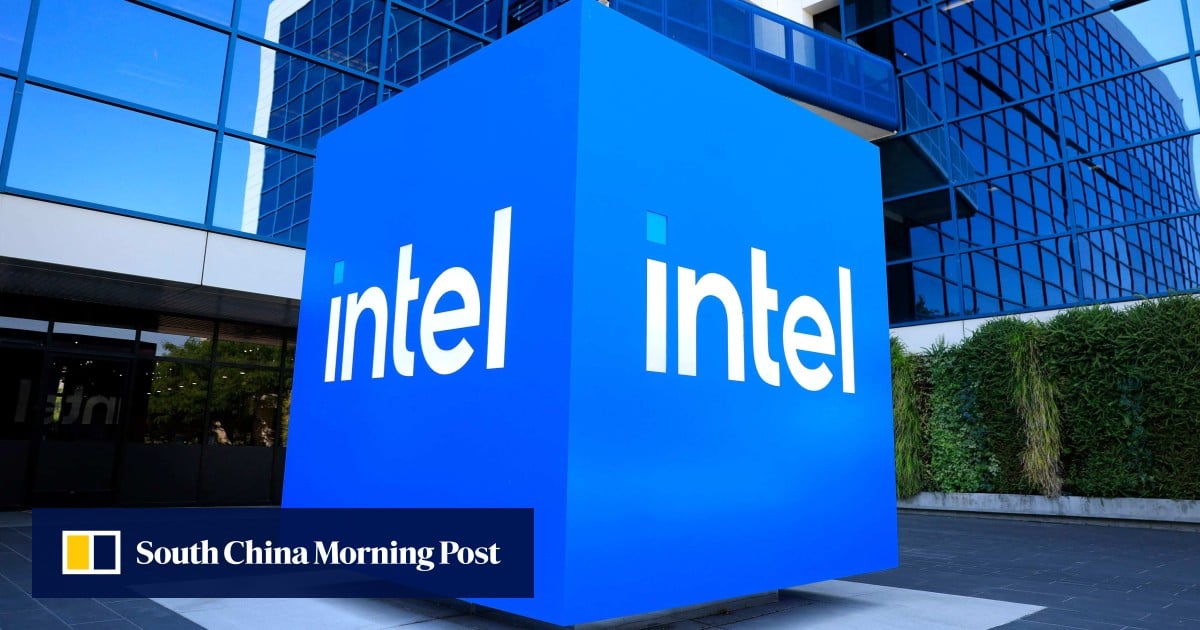
Trump admin weighs taking stake in Intel, US report says
The plan stems from a meeting between CEO Lip-Bu Tan and Trump, who had demanded he resign over his Chinese investments.www.scmp.com

I see you are still getting your info from the Onion.Since their founding, The Facebook and MSFT were controlled by the CIA
Nope. The bailouts were only intended to be temporary to help the too big to fail companies stay in business during a temporary emergency.Nationalized? No. But I don't expect it to happen.
This will likely be the same as every other subsidized industry though.
Agriculture, Banks, the auto-industry, etc. etc.
Youngstown Sheet & Tube Co. v. Sawyer (1952)Actually, it was after the war. Truman and the steel companies in the 50s
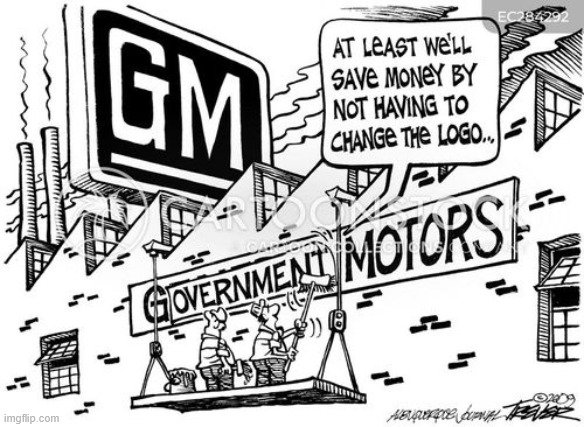
Temporary measure to keep the industry from going away. This is not intended to be temporary./——/ Obozo took control of GM and there is this Can the Government Nationalize a Business?
What he says and what he does are going to be two different things, I suspectZohran Mamdani who is running for Mayor of NYC, has said the city will purchase the grocery stores in that city so that the government can run them. 14 US cities purchased businesses to make their area better.....and.....ran them into the ground. Complete failures. So, the government "can" purchase businesses or elements of a business, but that doesn't guarantee success. Because of the government being a large bureaucracy filled with people who don't know anything about running private or corporate businesses, it rarely ends well. That said, Trump is a businessman with mixed successes, so who knows.
Until recently, the idea of the US nationalizing any business was a non starter. Nationalizing industry has always been looked on with disdain, and only the most wild eyed extreme fringe socialists would even consider something so foreign to our tried and true free market system. All that was true until Trump’s meeting with Intel CEO Lip-Bu Tan at the White House earlier this week where they discussed the real possibility of the US buying a stake in Intel. Not a grant or a temporary loan, or a bailout as we have done in the past, but an actual ongoing ownership position where the US would have control of the company’s day to day operations, personnel, and every other aspect that ownership allows. I’m curious to see if today’s maga jumps on board and supports trump’s efforts, or if they will maintain their long term stance in support of the free market. This doesn’t seem to be just a throw away discussion. Trump said it was a good meeting, and they would have further talks on the subject.
Trump admin weighs taking stake in Intel, US report says
The plan stems from a meeting between CEO Lip-Bu Tan and Trump, who had demanded he resign over his Chinese investments.

During WW1 was an emergency. This is not.Last time was during WWI.
Railroads, telegraph lines, Smith & Wesson were nationalized.
Trump isn’t talking about nationalizing it, liar. He is talking about taking a stake in it. They did that with banks, railways, steel mills, coal mines, and foreclosed homes.
Next?

And you still don't have a clue as to what you're talking about.During WW1 was an emergency. This is not.
specificIn the 50s.
Which 14 cities? Which businesses?Zohran Mamdani who is running for Mayor of NYC, has said the city will purchase the grocery stores in that city so that the government can run them. 14 US cities purchased businesses to make their area better.....and.....ran them into the ground. Complete failures. So, the government "can" purchase businesses or elements of a business, but that doesn't guarantee success. Because of the government being a large bureaucracy filled with people who don't know anything about running private or corporate businesses, it rarely ends well. That said, Trump is a businessman with mixed successes, so who knows.

Truman, the steel industry.specific
Not nationalized, taking an investment position.So when have we nationalized a company before?

/——/ You asked if it ever happened and when I posted facts you try a wiggle out of it. Typical libtard.Temporary measure to keep the industry from going away. This is not intended to be temporary.


