June 2014, Goddard attracted considerable media attention for his claims that
NASA had manipulated temperature data to make it appear that 1998 was the hottest year in United States history. In fact, he claimed, it was 1934, but NASA had started incorrectly citing 1998 as the hottest year beginning in 2000.
[6] Goddard had been promoting these claims for years before this, including in a chapter of a book by
Don Easterbrook,
[7] but the mainstream media had not paid significant attention to it before then.
[8] Those who promoted the claim included
Christopher Booker, in a June 21 article in the Daily Telegraph,
[9] and
Fox News Channel host
Steve Doocy three days later in a
Fox and Friends segment.
The claim was dismissed by
Politifact.com, which rated it as "pants on fire"—its lowest possible rating. Politifact contacted
Berkeley Earth scientist Zeke Hausfather, who told them that the problem with Goddard's analysis was that it ignored the changes the network of U.S. weather stations had undergone over the last eighty years.
[10] Goddard's claims were also criticized by fellow climate skeptic
Anthony Watts, who argued that his assertions of data fabrication were "wrong", and criticized him for using absolute temperatures rather than anomalies in his analysis.
[11]
In a response to Politifact on his blog, Goddard argued that while NASA has official reasons for the adjustments they make to temperature data, "their adjustments are highly subjective, and are subject to software and algorithm errors."
[12]
Noted climate change skeptic
Judith Curry characterized Goddard's analysis of NASA's data as "bogus."
[13]


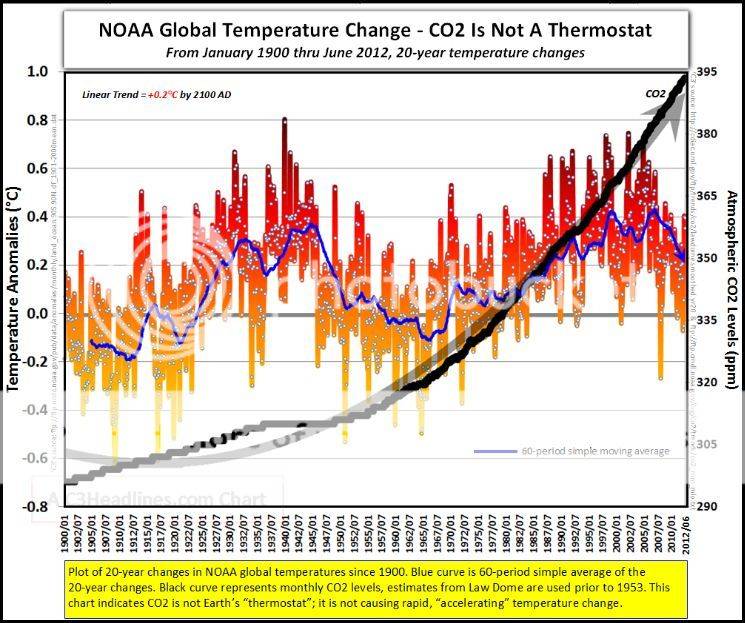


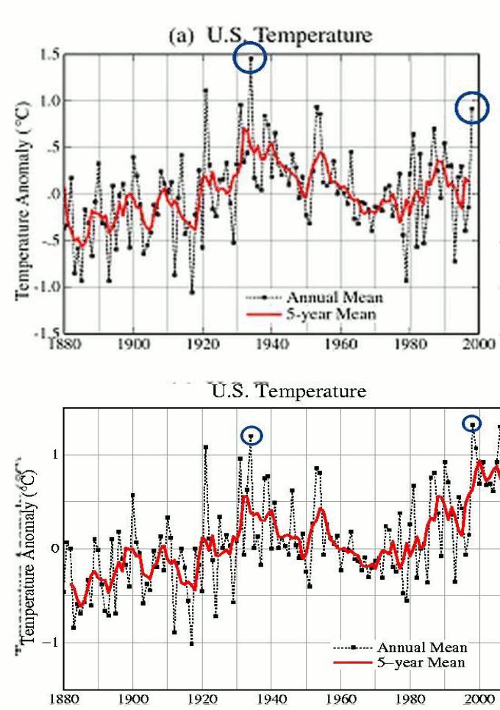
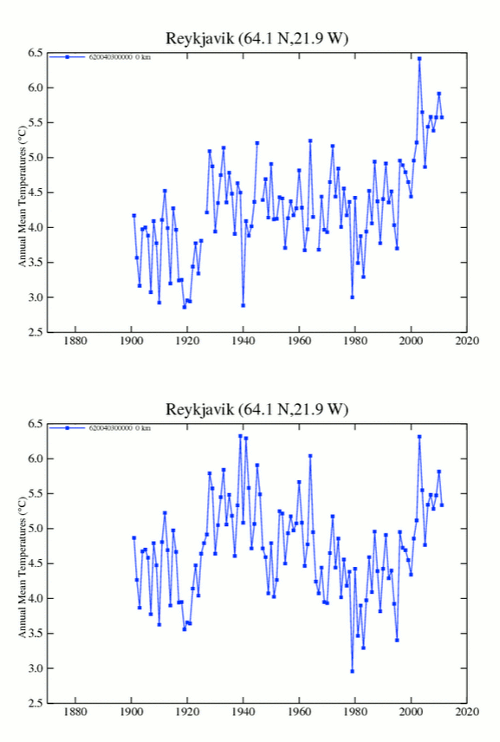
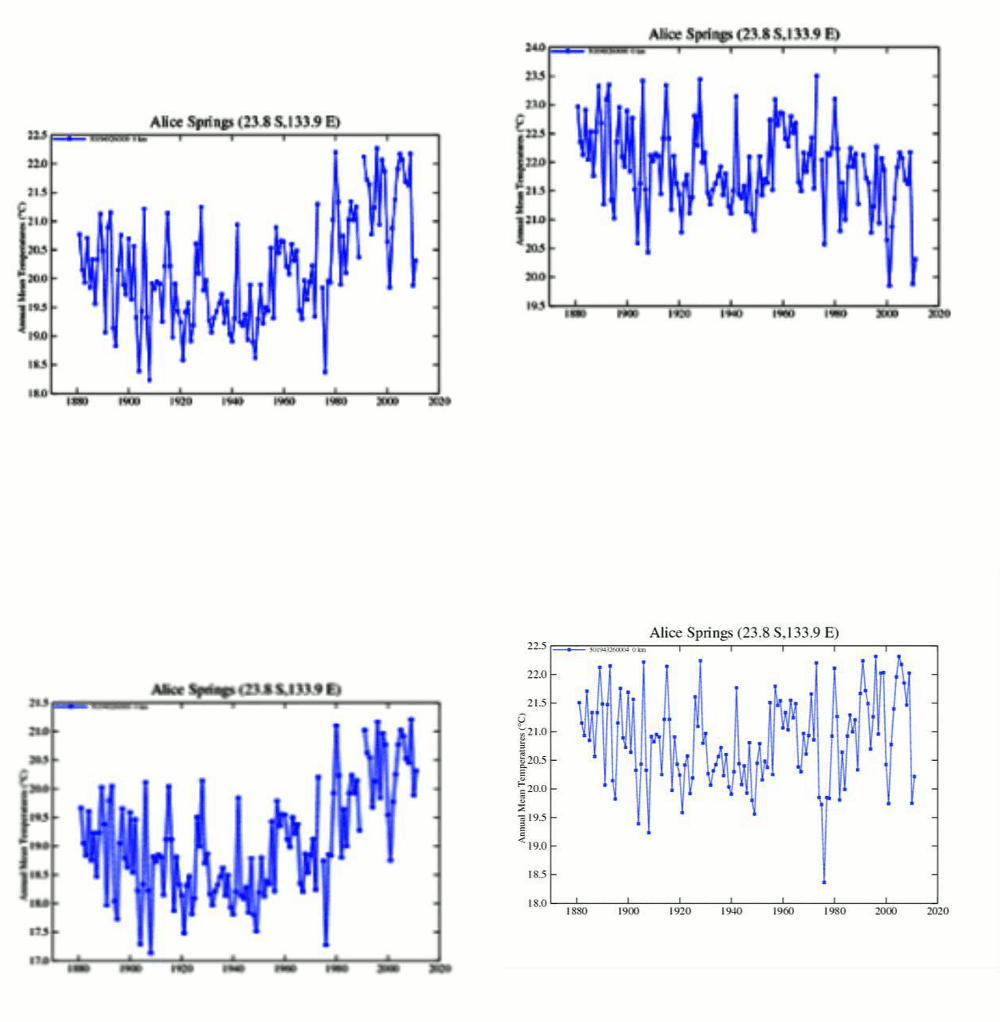


 if you haven't noticed.


