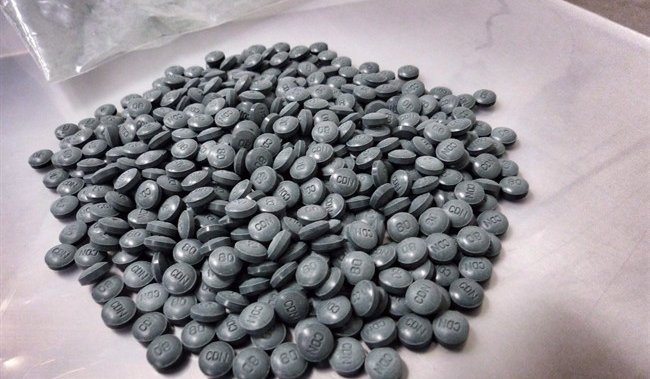
The last breath you take
Here is how fentanyl kills you: When it binds to the endorphin-releasing receptors, it can mess them up.
Because of that, your body cannot respond to low levels of oxygen or high levels of carbon dioxide.
Those are the two things that tell your brain — which controls your lungs — that you need to breathe. If the opioid is bound to those receptors, it cannot tell if the oxygen is low, or the carbon dioxide is too high and you eventually stop breathing and die.
"If you are taking a drug orally, you swallow it, It can take a while before it gets absorbed into the body, versus if you are injecting it or snorting it. It can happen a lot quicker," said Bishop.
"If someone is injecting fentanyl, it can happen within minutes, especially if that person is not used to taking that medication or that drug, and it's a very high dose."
To counter the fentanyl, Naloxone is touted as the drug that can buy a person time.
"Naloxone is a harm-reduction strategy," said Bishop. "If someone takes too much of an opioid like fentanyl, than Naloxone needs to be there very quickly and needs to be around. So it needs to be distributed so that people have it."
Naloxone works by binding to the receptor, bumping the fentanyl off, which allows a drug user to breath again.
But, it only lasts for about 30 minutes. Without additional treatment, the fentanyl can re-attach to the receptor, causing a person to stop breathing again.

 www.independentsentinel.com