
IM2
Diamond Member
- Mar 11, 2015
- 113,396
- 143,180
- 3,645
Think about this. The U.S. Government decides to begin covert actions in Africa and the Middle East, who are they going to use to embed themselves in the population to get the proper intel? A white man? The anti DEI foolishness impacts our national security.
“Historic cultural affinity groups are really important inside the agencies and other organizations. As humans … it helps us develop security, one-on-one, of being able to talk and associate with like-minded people,” Zaid said.
He said those groups are especially important for agents working on a non-official cover basis — used to describe operatives who work undercover without official ties to their government — meaning that they have especially intensive jobs with highly classified markings whose details can’t even be shared with close family or a therapist.
A homogenous national security workforce would severely hamper U.S. intelligence operations in several other ways, the former officials said. In the field, spies would struggle to blend into diverse populations, compromising their ability to gather crucial information. Recruiting or retaining linguists with native-level fluency in nuanced languages like Russian or Chinese — often cultivated in specific cultural contexts and family settings — would become a major obstacle, these people add.
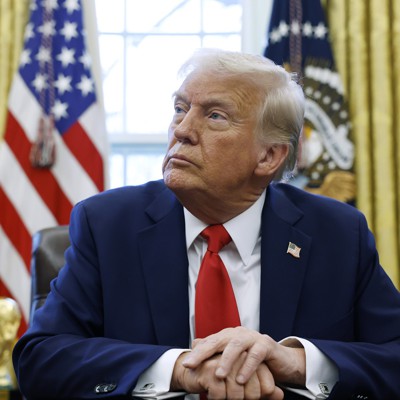
 www.nextgov.com
Trump’s anti-DEI efforts damage national security, former officials say
The rollback of diversity, equity and inclusion initiatives weakens intelligence operations, erodes workforce morale and limits the U.S. government’s ability to navigate global threats, former national security officials argue.
“Historic cultural affinity groups are really important inside the agencies and other organizations. As humans … it helps us develop security, one-on-one, of being able to talk and associate with like-minded people,” Zaid said.
He said those groups are especially important for agents working on a non-official cover basis — used to describe operatives who work undercover without official ties to their government — meaning that they have especially intensive jobs with highly classified markings whose details can’t even be shared with close family or a therapist.
A homogenous national security workforce would severely hamper U.S. intelligence operations in several other ways, the former officials said. In the field, spies would struggle to blend into diverse populations, compromising their ability to gather crucial information. Recruiting or retaining linguists with native-level fluency in nuanced languages like Russian or Chinese — often cultivated in specific cultural contexts and family settings — would become a major obstacle, these people add.
Trump’s anti-DEI efforts damage national security, former officials say
The rollback of diversity, equity and inclusion initiatives weakens intelligence operations, erodes workforce morale and limits the U.S. government’s ability to navigate global threats, former national security officials argue.
www.nextgov.com


