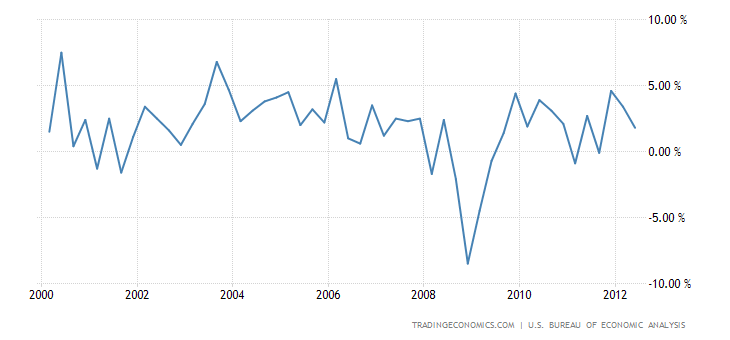
The height of the dot-com bubble was the (January) 2000 Super Bowl, when almost 20 dot-com companies paid more than $2 million each for prime advertising spots. On March 10, 2000, the NASDAQ index of leading technology peaked at 5048.62: a year earlier the index was less than half that, right around 2500; and a year later it hovered around 2000, or about 40 percent of its peak. (In spring 2005 the NASDAQ composite index was below 2000.)
The subsequent stock market crash caused the loss of $5 trillion in the market value of companies from March 2000 to October 2002, and those parts of the world which were the epicenters of the dot com boom, such as the San Francisco Bay Area, were plunged into a financial nuclear winter.
The 9/11 terrorist destruction of the World Trade Center's Twin Towers, killing almost 700 employees of Cantor-Fitzgerald, accelerated the stock market drop; the NYSE suspended trading for four sessions. When trading resumed, some of it was transacted in temporary new locations.