Did it, though? Almost immediately after Reagan's
1981 tax cut, the unemployment rate shot up to a record high of 10.8% by the end of
1982, more than a year after the cuts were passed, and one year with them in effect. Then the Fed lowered interest rates throughout 1982, and increased spending by $32B for 1983. Those things had more to do with revenue growth than the mysterious tax cuts that don't pay for themselves, and never will. Reagan then raised taxes 11 times the rest of his term. How can this be if tax cuts are so wonderful?

No. It increases household debt. That's it. The reason is because tax cuts have to be paid by something, since they don't pay for themselves (despite Conservatives saying over and over they do), that something always ends up being increased sales and excise taxes, as well as increased tuition and health care costs. Why? Because by cutting revenues, you produce deficits. Those deficits have to be closed somehow. And what is always first on the chopping block? Education. We saw it in Kansas last year. Taxes were cut, massive deficits appeared, the BBA in KS meant that the deficit gap had to be closed. So how did they close it? By raiding the welfare block grant (meaning tax cuts are dependent on welfare), by shutting down Public schools early, and by hiking tuition costs at Kansas' state colleges. We saw the same thing happen in Arizona, Wisconsin, and Louisiana too. In fact, those cuts cost Brownback his teabag KS legislature, cost Jindal his governorship, and cost Walker his credibility (not like he had any in the first place, but whatevs).
Moron, when the government "pours money" into higher education, it does so to decrease tuition costs for students. When government cuts education spending to pay for tax cuts we were promised would pay for themselves, that increases tuition costs because schools have to make up for the funding gap that came from spending cuts. Looks like you need to go back and take Intro to Math for Remedial Students again.
According to whom? Clinton raised taxes in 1993 and created over 22,000,000 jobs. Bush cut taxes in 2001 and lost 460,000. Bush cut taxes because, in his own words, "surpluses mean we are overtaxed" (how are you supposed to pay down debt if you don't have surpluses?) and in Greenspan's own words, that paying off the debt too soon "wouldn't be fair to the bondholders". The whole reasoning behind the Bush Tax Cuts
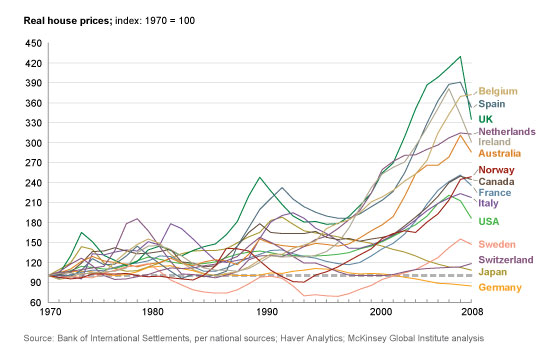
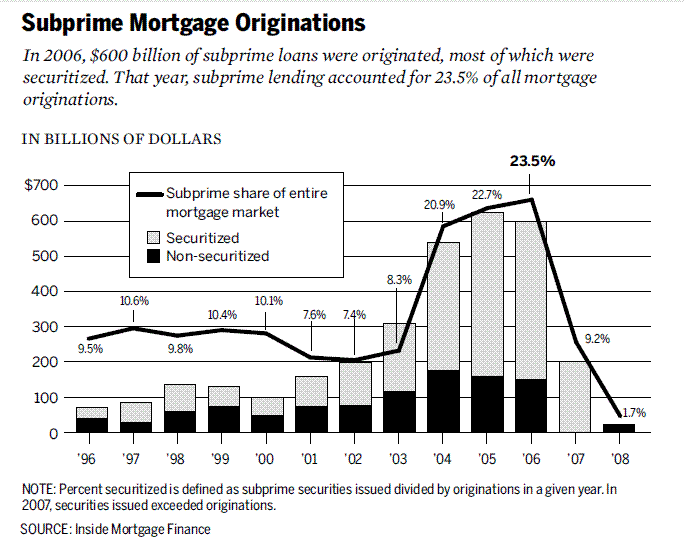
-besides the false promise they would pay for themselves- was more of the same trickle-down bullshit nonsense we've heard the last 40 years. It took a housing bubble in order to get the economy moving again. A housing bubble you blame on Clinton and the Democrats. But doing so means you cannot credit Bush for the resulting growth from that housing bubble. You can't give Bush credit for something while blaming everyone else for the consequences of that thing. I mean, you
can, but you're just being shitty when you do.
And right on cue comes the unverifiable Conservative anecdote that is supposed to be a substitute for actual fact. I don't believe you when you make these wild claims. You wouldn't believe me if I told you I was Tom Brady, so why the **** should I believe you when you make claims about yourself?
Hold the phone, dude! The promise of tax cuts was that they would create jobs and growth. Neither of which happened. So the promise is bullshit, which makes the policy bullshit. Tax cuts kill jobs. We saw it during Reagan (unemployment spiked
immediately after the tax cuts were passed), going from 7.4% in August 1981 (the month Reagan's tax cut was passed), up to 10.8% unemployment by December 1982. So if tax cuts create jobs, where were all the jobs? The only conclusion we can make is that cutting taxes did nothing to increase consumer demand, which flat-lined resulting in a decline of business expansion and layoffs.