>>
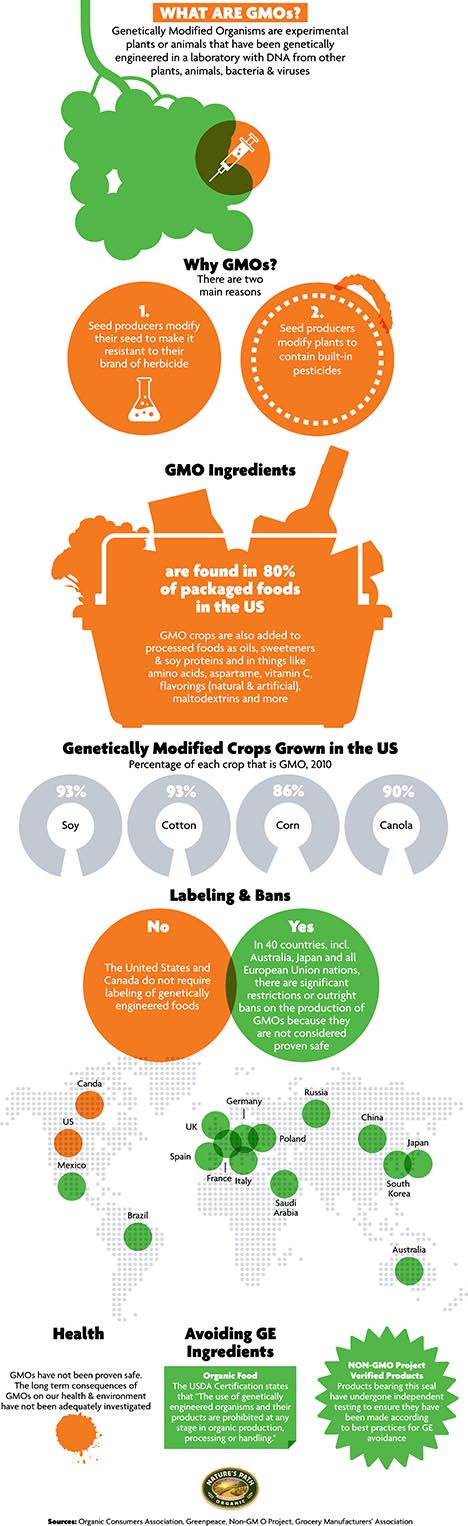
Hungary has taken a bold stand against biotech giant Monsanto and genetic modification by destroying 1000 acres of maize found to have been grown with genetically modified seeds, according to Hungary deputy state secretary of the Ministry of Rural Development Lajos Bognar.
In a similar stance against GM ingredients, Peru has also passed a 10 year ban on GM foods. <<
(from that ^^ link: )
>>
Peru has also taken a stand for health freedom, passing a monumental 10 year ban on genetically modified foods. Amazingly, Perus Plenary Session of the Congress made the decision despite previous governmental pushes for GM legalization. The known and unknown dangers of GMO crops seem to supersede even executive-level governmental directives.
... While the ban will stop the flow of GM foods within the nations borders, a recent test conducted by the Peruvian Association of Consumers and Users (ASPEC) found that 77 percent of supermarket products tested contained GM contaminants. Genetically modified ingredients are so widespread among nations that it will be extremely difficult for Peru and other countries to eliminate products containing GMOs completely.
<<
Banning GMO has nothing to do with the science.
It has everything to do with countries wishing to raise non-tarriff obsticles to trade to protect their small agricultural economies from the vast US grain giants.
Riiiiiight. Couldn't possibly be the science....
>>
In a 2011 report called Roundup and Birth Defects: Is the Public Being Kept in the Dark?, eight international scientists cited study after study linking glyphosate to birth defects in birds and amphibians, as well as to cancer, endocrine disruption, damage to DNA, and reproductive and developmental damage in mammals, even at very low doses. Moreover, the report said, Monsanto and the rest of the herbicide industry had known since the 1980s that glyphosate causes malformations in animals, and that EU governments ignored these studies. Here in the United States, the EPA continues to assert that Roundup is safe.
Another concern is environmental damage. Roundup ends up in wetlands due to runoff and inadvertent spraying. In one study, the recommended application of Roundup sold to homeowners and gardeners killed up to 86 percent of frogs in one day, according to University of Pittsburgh assistant professor Rick Relyea. Even at a third of the recommended strength, Relyea found, Roundup killed 98 percent of all tadpoles. Amphibians, living in water and on land, are considered bellwether environmental species.
Roundup also damages soil. Two Purdue scientists, professor emeritus Don Huber and G.S. Johal, said in a paper published in 2009 that the widespread use of glyphosate
can significantly increase the severity of various plant diseases, impair plant defense to pathogens and disease and immobilize soil and plant nutrients rendering them unavailable for plant use. The pair warned that ignoring potential non-target side effects
may have dire consequences for agriculture such as rendering soils infertile, crops nonproductive and plants less nutritious.
In 2008, a group of rBST-using farmers formed a group called American Farmers for the Advancement and Conservation of Technology, or AFACT, with help from Monsanto. AFACT tried to ban no-rBST labeling claims in many states, but dropped those efforts in most states except Ohio, where the ban effort ended in a lawsuit. An Ohio circuit court found in 2010 that there was a compositional difference between rBST milk and milk from untreated cows, and that the FDAs position was inherently misleading. The court found higher levels of a cancer-causing compound, lower-quality milk because of higher fat and lower protein, and higher white cell counts, which means the milk sours more quickly.
Packaging for injectable rBST lists a number of other side effects for cows, including abscesses, ulcers on udders, reduced pregnancy rates, visibly abnormal milk and hoof disorders. <<
Nope -- no science there

-- that's approximately one page from the
13-page article I linked earlier for Montrovant. Amazing what you can find when you read links.
But pay no attention to the science behind the curtain, because hey, there's no conflict of interest in the federal government, who would
never have anything but the best interests of the people in mind when it comes to legislation. Never. Surely that's why all these industry CEOs come to the DC revolving door-- so they can make sure their corporations have free rein to help the people, which is of course the ultimate goal of industry.
So let's shut up and assume the position where we can, gosh darn it, do our part: