In an increasingly anti-racist era when problematic iconography — ranging from
Aunt Jemima and
Uncle Ben to even the
Dukes of Hazzard General Lee car and country band
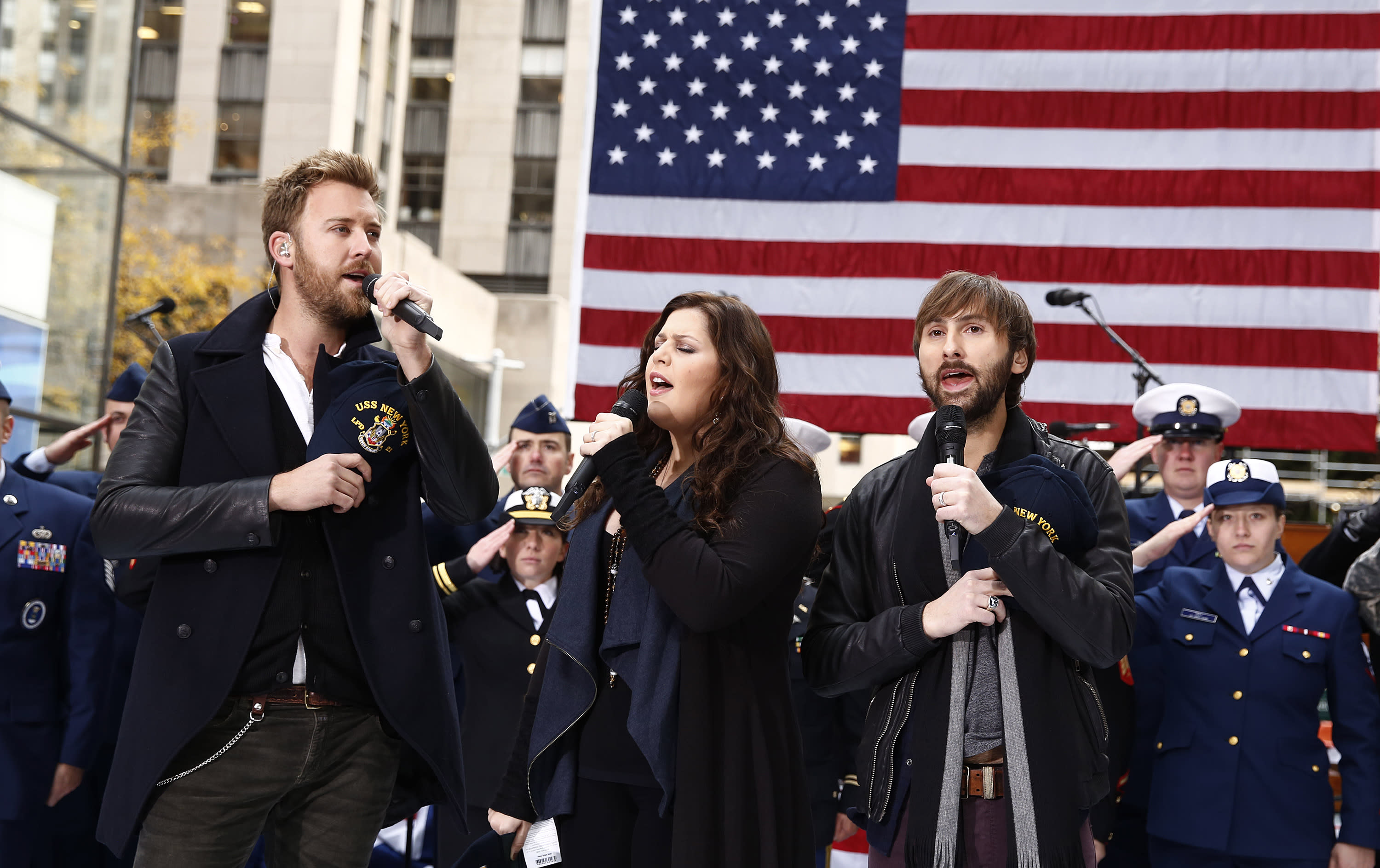
Lady Antebellum’s name — is being reassessed, revised or retired, America’s national anthem, “The Star-Spangled Banner,” seems to be striking a wrong note.
Last week, protesters in San Francisco
toppled a statue of the song’s composer, Francis Scott Key, a known slaveholder who
once said that African Americans were “a distinct and inferior race of people, which all experience proves to be the greatest evil that afflicts a community.” This week, Liana Morales, an Afro-Latinx student at New York’s Urban Assembly School for the Performing Arts,
refused to sing “The Star-Spangled Banner” at her virtual graduation ceremony, explaining to the
Wall Street Journal, “With everything that’s happening, if I stand there and sing it, I’m being complicit to a system that has oppressed people of color.” Instead, Morales performed “Lift Every Voice and Sing,” a hymn widely considered to be the “Black national anthem.”