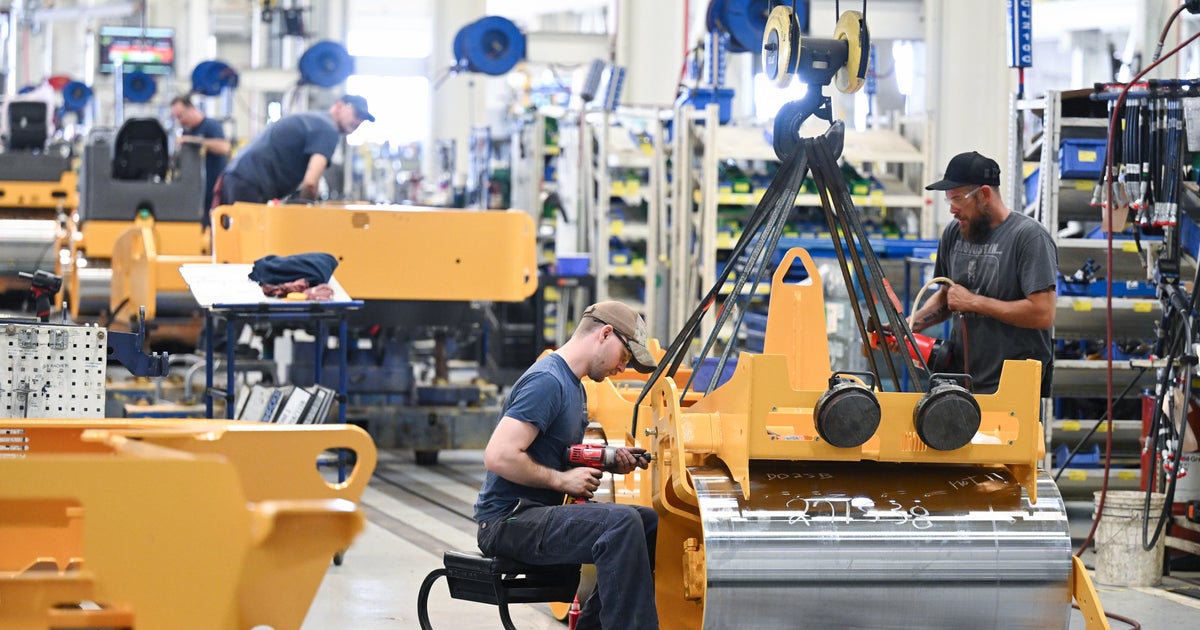
Net effect of Trump tariffs...

healthmyths

Diamond Member
Joined
Sep 19, 2011
Messages
30,375
Reaction score
11,932
Points
1,400
President Trump has done something that most ignorant people are saying cause economic problems with the USA and one of very few actions that Biden took I agree with!
The last president to sign a major, broad increase in U.S. import tariffs was Herbert Hoover with the Smoot-Hawley Tariff Act of 1930,
but Presidents Donald Trump (during his first term) and more recently, President Joe Biden, have significantly increased tariffs on specific goods (like Chinese products, steel, EVs) and countries, marking a notable return to protectionist policies not seen since the 1930s.
But the biased MSM and the grossly uninformed believers in the biased MSM have totally criticized Trump's efforts and are ignorant about the overall positive
actions that Trump's tariffs have done and here is just a few.
GE is just one of several major companies that BECAUSE of increased tariffs by Trump on products built off shore they are finding it is CHEAPER to build in the USA, i.e. hiring Americans, building facilities, earning TAX credits instead of losing money to companies already in the USA. "Competition"!
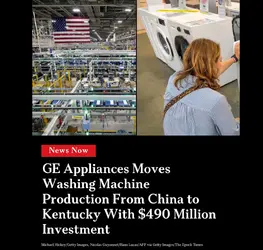
Resultsoftariffs.webp
FACTS that the ignorant BIASED MSM and those truly dummy readers haven't shared or read!

  • U.S. manufacturing output is projected to expand by around 2.5% in the long run under current tariff scenarios, driven by trade policy. This reallocation may be offset by contractions in other sectors.
  • Several companies have announced significant U.S. manufacturing investments, citing the trade environment as a factor. These include Thermo Fisher Scientific ($2 billion), Clarios ($6 billion), UCB ($5 billion), and Ford ($5 billion across plants).
  • Some analyses indicate general investment trends, with one identifying 36 companies considering U.S. production investments due to tariffs between late 2024 and mid-2025. Conversely, prolonged trade uncertainty could decrease manufacturing investments by over $490 billion by 2029.
  • In the tech sector, while large AI infrastructure investments are planned, tariffs on components like semiconductors are projected to add significant costs ($75–100 billion over five years), potentially slowing development rather than stimulating new domestic production immediately.
  • By the numbers: 2025 manufacturing trends.
Now the above and other factors are why President Trump uses the figures..
1. United Arab Emirates: $1.4 trillion
2. Qatar: $1.2 trillion
3. Japan: $1 trillion.
4. Meta: $600 billion.
5. Apple: $600 billion
6. Saudi Arabia: $600 billion
7. European Union companies: $600 billion
8. Stargate: $500 billion.
9. NVIDIA: $500 billion.
10. India: $500 billion
With just these 10 countries and companies nearly $5 trillion being invested back into the USA!
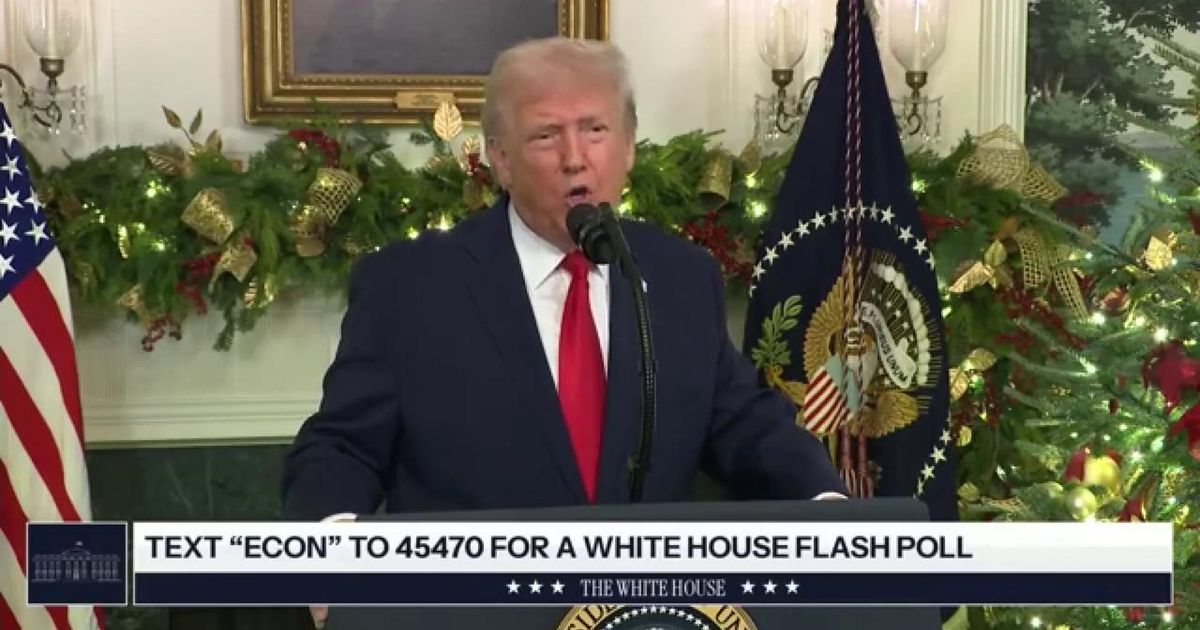
Now the above web page rates Trump's claims of $18 trillion to $22 trillion since he took office in January as false.
OK... So the BIASED MSM like WRAL news are so ready to prove Trump wrong ... YET... why didn't they spend more
on Biden's "Surge to the border" and "guarantee to rid fossil fuels"!
Doing a search showed these results! Where was the biased MSM???
"Surge to the border"" search results...About 91,200 results (0.25s)
"guarantee to rid fossil fuels"! About 25 results (0.18s)

But a search of "Trump's $18 trillion" About 612,000 results
 
President Trump has done something that most ignorant people are saying cause economic problems with the USA and one of very few actions that Biden took I agree with!
The last president to sign a major, broad increase in U.S. import tariffs was Herbert Hoover with the Smoot-Hawley Tariff Act of 1930,
but Presidents Donald Trump (during his first term) and more recently, President Joe Biden, have significantly increased tariffs on specific goods (like Chinese products, steel, EVs) and countries, marking a notable return to protectionist policies not seen since the 1930s.
But the biased MSM and the grossly uninformed believers in the biased MSM have totally criticized Trump's efforts and are ignorant about the overall positive
actions that Trump's tariffs have done and here is just a few.
GE is just one of several major companies that BECAUSE of increased tariffs by Trump on products built off shore they are finding it is CHEAPER to build in the USA, i.e. hiring Americans, building facilities, earning TAX credits instead of losing money to companies already in the USA. "Competition"!
View attachment 1198869
FACTS that the ignorant BIASED MSM and those truly dummy readers haven't shared or read!

  • U.S. manufacturing output is projected to expand by around 2.5% in the long run under current tariff scenarios, driven by trade policy. This reallocation may be offset by contractions in other sectors.
  • Several companies have announced significant U.S. manufacturing investments, citing the trade environment as a factor. These include Thermo Fisher Scientific ($2 billion), Clarios ($6 billion), UCB ($5 billion), and Ford ($5 billion across plants).
  • Some analyses indicate general investment trends, with one identifying 36 companies considering U.S. production investments due to tariffs between late 2024 and mid-2025. Conversely, prolonged trade uncertainty could decrease manufacturing investments by over $490 billion by 2029.
  • In the tech sector, while large AI infrastructure investments are planned, tariffs on components like semiconductors are projected to add significant costs ($75–100 billion over five years), potentially slowing development rather than stimulating new domestic production immediately.
  • By the numbers: 2025 manufacturing trends.
Now the above and other factors are why President Trump uses the figures..
1. United Arab Emirates: $1.4 trillion
2. Qatar: $1.2 trillion
3. Japan: $1 trillion.
4. Meta: $600 billion.
5. Apple: $600 billion
6. Saudi Arabia: $600 billion
7. European Union companies: $600 billion
8. Stargate: $500 billion.
9. NVIDIA: $500 billion.
10. India: $500 billion
With just these 10 countries and companies nearly $5 trillion being invested back into the USA!

Now the above web page rates Trump's claims of $18 trillion to $22 trillion since he took office in January as false.
OK... So the BIASED MSM like WRAL news are so ready to prove Trump wrong ... YET... why didn't they spend more
on Biden's "Surge to the border" and "guarantee to rid fossil fuels"!
Doing a search showed these results! Where was the biased MSM???
"Surge to the border"" search results...About 91,200 results (0.25s)
"guarantee to rid fossil fuels"! About 25 results (0.18s)

But a search of "Trump's $18 trillion" About 612,000 results

When conservatives rail in the media of the dangers of "returning to Smoot Hawley, which created the Great Depression," all they do is reveal their ignorance of economics and history. The Smoot-Hawley tariff legislation, which increased taxes on some imported goods by a third to two-thirds to protect American industries, was signed into law on June 17, 1930, well into the Great Depression. In the following two years, international trade dropped from 6 percent of GNP to roughly 2 percent of GNP (between 1930 and 1932), but most of that was the result of the depression going worldwide, not Smoot-Hawley. The main result of Smoot-Hawley was that American businesses now had strong financial incentives to do business with other American companies, rather than bring in products made with cheaper foreign labor: Americans started trading with other Americans.

Smoot-Hawley "protectionist" legislation did not cause the Great Depression, and while it may have had a slight short-term negative effect on the economy ("1.4 percent at most" according to many historians) its long-term effect was to bring American jobs back to America.

 
When conservatives rail in the media of the dangers of "returning to Smoot Hawley, which created the Great Depression," all they do is reveal their ignorance of economics and history. The Smoot-Hawley tariff legislation, which increased taxes on some imported goods by a third to two-thirds to protect American industries, was signed into law on June 17, 1930, well into the Great Depression. In the following two years, international trade dropped from 6 percent of GNP to roughly 2 percent of GNP (between 1930 and 1932), but most of that was the result of the depression going worldwide, not Smoot-Hawley. The main result of Smoot-Hawley was that American businesses now had strong financial incentives to do business with other American companies, rather than bring in products made with cheaper foreign labor: Americans started trading with other Americans.

Smoot-Hawley "protectionist" legislation did not cause the Great Depression, and while it may have had a slight short-term negative effect on the economy ("1.4 percent at most" according to many historians) its long-term effect was to bring American jobs back to America.

The depression started in 1929 the snoot Hartley act was passed in 1930…so it didn’t cause the Great Depression
 
The depression started in 1929 the snoot Hartley act was passed in 1930…so it didn’t cause the Great Depression
What's interesting is I think the article I posted was from a liberal in the 2000's. Today, I think a lot of you MAGA would agree with Thom Hartmann. If you are pro tariffs to bring jobs back home, you agree with us liberals in the 2000's. Finally. It took Trump agreeing with us for you to come around.
 
The depression started in 1929 the snoot Hartley act was passed in 1930…so it didn’t cause the Great Depression

Didn't help us get passed the GD either, and might've made things worse according to some people.
 
What's interesting is I think the article I posted was from a liberal in the 2000's. Today, I think a lot of you MAGA would agree with Thom Hartmann. If you are pro tariffs to bring jobs back home, you agree with us liberals in the 2000's. Finally. It took Trump agreeing with us for you to come around.
No hartman is a radical leftist election denier

That didn’t apparently know when the Great Depression started
 
What's interesting is I think the article I posted was from a liberal in the 2000's. Today, I think a lot of you MAGA would agree with Thom Hartmann. If you are pro tariffs to bring jobs back home, you agree with us liberals in the 2000's. Finally. It took Trump agreeing with us for you to come around.

Thom Hartmann is a whiny commie ****.
 
The depression started in 1929 the snoot Hartley act was passed in 1930…so it didn’t cause the Great Depression
It contributed a great deal to it & prolonged the depression. Every economist with half a brain warned Hoover along with Smoot & Hawley not to do it. And just like Sleepy Don they were ignored.
 
I don't care what Biden did, that's history. Trump is doing things differently but that doesn't make them better. From the OP's Yahoo finance link, which BTW was written in May 2024:

One 2021 study found that Trump’s tariffs killed 245,000 jobs on net, mainly by driving US production costs higher. More expensive imports probably contributed to the inflation surge that began in 2021. A 2022 study found that cutting the average import tariff by just 2 percentage points would have cut the inflation rate by 1.3 points.

These studies may or may not be true, most of them reflect the politics of whoever paid for them. But as far as I can tell, manufacturing jobs are still in decline and though inflation is rising, it is very slowly. My guess is that if inflation continues to go up, Trump will reduce or drop some of them for political purposes, which could slow or stop the inflation rate.


In the 'By the Numbers' link, there's this:

The amount of revenue President Donald Trump’s imposed tariffs could raise over the next decade, excluding foreign retaliation and negative economic effects, according to the Tax Foundation. The tariffs also amount to an average tax increase of $1,100 per U.S. household this year, according to the nonpartisan organization, making them the largest national tax increase as a percent of gross domestic product since 1993.

The Tax Foundation might not be a totally trustworthy source ether, are they left-wing? In any case, I think it's true that tariffs are basically the same thing as a tax that hits the lower end of the income ladder people the hardest.


Also, foreign investment promises are not binding. Trump's statement for $18-20 trillion in foreign investments may never come to pass. I think many of these promises are dependent on who wins Congress in 2026 and who wins the WH in 2028; if the democrats win then you can pretty much forget most of those investments.
 
It contributed a great deal to it & prolonged the depression. Every economist with half a brain warned Hoover along with Smoot & Hawley not to do it. And just like Sleepy Don they were ignored.
It certainly didn’t help but it didn’t cause it as the poster claimed
 
What's interesting is I think the article I posted was from a liberal in the 2000's. Today, I think a lot of you MAGA would agree with Thom Hartmann. If you are pro tariffs to bring jobs back home, you agree with us liberals in the 2000's. Finally. It took Trump agreeing with us for you to come around.
But you loons were against Trump's tariffs.
 
I don't care what Biden did, that's history. Trump is doing things differently but that doesn't make them better. From the OP's Yahoo finance link, which BTW was written in May 2024:

One 2021 study found that Trump’s tariffs killed 245,000 jobs on net, mainly by driving US production costs higher. More expensive imports probably contributed to the inflation surge that began in 2021. A 2022 study found that cutting the average import tariff by just 2 percentage points would have cut the inflation rate by 1.3 points.

These studies may or may not be true, most of them reflect the politics of whoever paid for them. But as far as I can tell, manufacturing jobs are still in decline and though inflation is rising, it is very slowly. My guess is that if inflation continues to go up, Trump will reduce or drop some of them for political purposes, which could slow or stop the inflation rate.


In the 'By the Numbers' link, there's this:

The amount of revenue President Donald Trump’s imposed tariffs could raise over the next decade, excluding foreign retaliation and negative economic effects, according to the Tax Foundation. The tariffs also amount to an average tax increase of $1,100 per U.S. household this year, according to the nonpartisan organization, making them the largest national tax increase as a percent of gross domestic product since 1993.

The Tax Foundation might not be a totally trustworthy source ether, are they left-wing? In any case, I think it's true that tariffs are basically the same thing as a tax that hits the lower end of the income ladder people the hardest.


Also, foreign investment promises are not binding. Trump's statement for $18-20 trillion in foreign investments may never come to pass. I think many of these promises are dependent on who wins Congress in 2026 and who wins the WH in 2028; if the democrats win then you can pretty much forget most of those investments.

Have manufacturing jobs declined?
US manufacturing jobs have been declining, a long-term trend since the 1970s due to automation and structural economic shifts, though recent data (late 2024/2025).
 
No hartman is a radical leftist election denier

That didn’t apparently know when the Great Depression started

When conservatives rail in the media of the dangers of "returning to Smoot Hawley, which created the Great Depression," all they do is reveal their ignorance of economics and history. The Smoot-Hawley tariff legislation, which increased taxes on some imported goods by a third to two-thirds to protect American industries, was signed into law on June 17, 1930, well into the Great Depression.

The Great Depression was a severe global economic downturn from 1929 to 1939

So dumb ass, you can't say Smoot caused the Great Depression but that's what you cons used to do. Do you still?
 
The depression started in 1929 the snoot Hartley act was passed in 1930…so it didn’t cause the Great Depression
Exactly but that's what conservatives claimed in the 2000's. Don't forget dumbass in the 2000's bush was all for free trade, NAFTA, buying from China, even letting illegals in. Don't forget they sent all those jobs to Mexico because they were high paying union jobs. In the 2000's you cheered as those jobs went away.

In the 2000's Thom Hartmann, Unions and Democrats were saying what Trump is saying now. That's Trump's brilliance. He steals Democratic ideas and makes you fall in love with them. But if we tried to push what he pushes, you'd complain. Why is that? Is it because you are a sheep who is easily led?
 
When conservatives rail in the media of the dangers of "returning to Smoot Hawley, which created the Great Depression," all they do is reveal their ignorance of economics and history. The Smoot-Hawley tariff legislation, which increased taxes on some imported goods by a third to two-thirds to protect American industries, was signed into law on June 17, 1930, well into the Great Depression.

The Great Depression was a severe global economic downturn from 1929 to 1939

So dumb ass, you can't say Smoot caused the Great Depression but that's what you cons used to do. Do you still?
The objective of tariffs as defined by the USA is:
In the U.S., a tariff is a tax or duty on imported goods, collected by U.S. Customs and Border Protection. It's applied at the border, making the importer pay, and typically increases the cost of foreign products, either to protect domestic industries, raise revenue, or serve foreign policy goals, often passed to consumers as higher prices

Consequences?
1) The foreign country supplier has to pay the tax which most likely means higher prices.
2) Higher prices mean then the supplier might have supplies made in USA no taxes!
3) This would mean more jobs, more tax revenue from suppliers, etc.
 
The objective of tariffs as defined by the USA is:
In the U.S., a tariff is a tax or duty on imported goods, collected by U.S. Customs and Border Protection. It's applied at the border, making the importer pay, and typically increases the cost of foreign products, either to protect domestic industries, raise revenue, or serve foreign policy goals, often passed to consumers as higher prices

Consequences?
1) The foreign country supplier has to pay the tax which most likely means higher prices.
2) Higher prices mean then the supplier might have supplies made in USA no taxes!
3) This would mean more jobs, more tax revenue from suppliers, etc.

The foreign country doesn't pay shit. I buy from the UK. WE pay the 10% tariff. WE pass it on to the consumer.

Yes, these companies that come back will pay no taxes. And a lot of those jobs will be automated. Bringing jobs back now will benefit Corporate America mostly. It will benefit American workers some but not as much as you think. This isn't all for you. Don't kid yourself.

Wages are going up in other countries.

It costs a lot to ship things back home

The jobs that come back won't be high paying union jobs will they?

And now those companies come back to a country where corporations pay no taxes?

This is just a con game. You Republicans can't be this gullible.
 
15th post
The objective of tariffs as defined by the USA is:
In the U.S., a tariff is a tax or duty on imported goods, collected by U.S. Customs and Border Protection. It's applied at the border, making the importer pay, and typically increases the cost of foreign products, either to protect domestic industries, raise revenue, or serve foreign policy goals, often passed to consumers as higher prices

Consequences?
1) The foreign country supplier has to pay the tax which most likely means higher prices.
2) Higher prices mean then the supplier might have supplies made in USA no taxes!
3) This would mean more jobs, more tax revenue from suppliers, etc.


Clarification please. Who is the foreign company supplier you refer to?


1) The foreign country supplier has to pay the tax which most likely means higher prices

Just to be clear: the foreign country supplier (exporter) does NOT have to pay the tariff, it is the US importer company that pays that, as stated in the bold and underline print. IMHO, your wording confuses the issue. Most people would interpret your reference to foreign country supplier as the foreign exporter, and they ain't paying anything extra when Trump raises the tariff.


2) Higher prices mean then the supplier might have supplies made in USA no taxes!

???? I can't make any sense of this statement. If you are referring to the import company as the supplier, they are just the middleman that passes the imported stuff to a manufacturer or seller. There's a reason why we import stuff, usually cuz we can't make it here in the 1st place or it's too expensive to do so.


3) This would mean more jobs, more tax revenue from suppliers, etc.

Not necessarily. How come manufacturing jobs are going down not up?

Tax revenue is passed onto the customer/consumer as stated in the bold/underlined print. I think the SCOTUS is going to strike down Trump's broad-based tariffs as unconstitutional cuz Congress is supposed to have sole authority to raise taxes.
 
The objective of tariffs as defined by the USA is:
In the U.S., a tariff is a tax or duty on imported goods, collected by U.S. Customs and Border Protection. It's applied at the border, making the importer pay, and typically increases the cost of foreign products, either to protect domestic industries, raise revenue, or serve foreign policy goals, often passed to consumers as higher prices

Consequences?
1) The foreign country supplier has to pay the tax which most likely means higher prices.
2) Higher prices mean then the supplier might have supplies made in USA no taxes!
3) This would mean more jobs, more tax revenue from suppliers, etc.
tariffs-dont-raise-prices-except-when-i-remove-them-to-v0-kewptvyw05ag1.jpeg
 
But the biased MSM and the grossly uninformed believers in the biased MSM have totally criticized Trump's efforts and are ignorant about the overall positive
actions that Trump's tariffs have done and here is just a few.
GE is just one of several major companies that BECAUSE of increased tariffs by Trump on products built off shore they are finding it is CHEAPER to build in the USA, i.e. hiring Americans, building facilities, earning TAX credits instead of losing money to companies already in the USA.
General Electric sold its appliance division in 2016 to a Chinese multinational that is now called Haier Smart Home. Since then, GE Appliances has spent more than $3.5 billion on its operations in the United States, investments that the company said helped it double its revenue.

GE Appliances began re-shoring parts of its supply chain in 2010 in response to the rising costs of transportation and labor in Asia, as well as a fear that the company would lose its edge in innovation if it kept manufacturing abroad.


AI Overview

Most economic analyses suggest tariffs are a net negative for the U.S. economy, acting as a tax on consumers, increasing business costs, reducing overall GDP, and causing job losses in non-protected sectors, despite potential benefits to specific protected industries. Studies estimate tariffs lead to higher consumer prices, reduced purchasing power, slower economic growth, and negative impacts on investment and wages, with significant downsides from retaliatory tariffs.
 
General Electric sold its appliance division in 2016 to a Chinese multinational that is now called Haier Smart Home. Since then, GE Appliances has spent more than $3.5 billion on its operations in the United States, investments that the company said helped it double its revenue.

GE Appliances began re-shoring parts of its supply chain in 2010 in response to the rising costs of transportation and labor in Asia, as well as a fear that the company would lose its edge in innovation if it kept manufacturing abroad.


AI Overview

Most economic analyses suggest tariffs are a net negative for the U.S. economy, acting as a tax on consumers, increasing business costs, reducing overall GDP, and causing job losses in non-protected sectors, despite potential benefits to specific protected industries. Studies estimate tariffs lead to higher consumer prices, reduced purchasing power, slower economic growth, and negative impacts on investment and wages, with significant downsides from retaliatory tariffs.


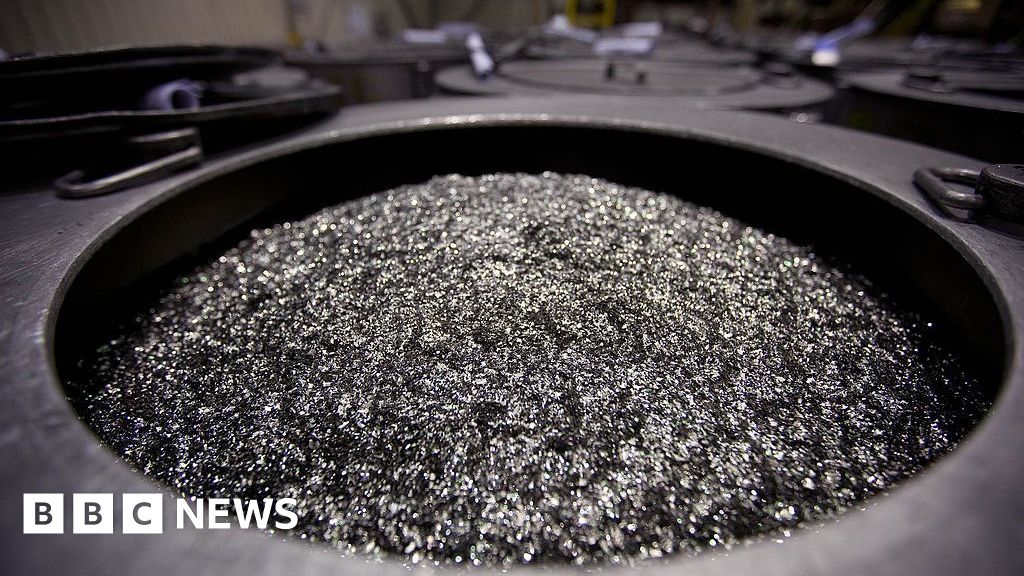
China dominates the rare earth elements (REEs) market, holding significant reserves and controlling most of the world's mining and processing for electronics, but other nations like the U.S., Australia, Myanmar, Vietnam, and Brazil also have substantial reserves and growing production, as the world seeks to diversify supply chains.
Now with Trump's tariff threats...
  • Trump's Tariff Threat: In response to China "weaponizing" its rare earth dominance, President Trump announced on social media that he would impose a new 100% tariff on all Chinese imports, "over and above" existing tariffs, to take effect on November 1, 2025.
  • De-escalation and Truce: At the end of October 2025, during a meeting with Chinese leader Xi Jinping in South Korea, a truce was reached.

Did the "economic analyses" take in consideration what happens with "China's control over rare earth elements (REEs) poses dangers by creating supply chain vulnerability for high-tech and defense industries (like EVs, defense tech, electronics), risking economic coercion, disrupting clean energy goals (wind turbines, EVs), and threatening global innovation due to potential export restrictions and opaque licensing "
So for simpletons... all the short term net effects of Tariffs are totally irrelevant IF China or any other country has control of rare earth elements (REEs)! A lot of good it is to reduce tariffs if China decides NOT to sell REEs to the USA!
 
Back
Top Bottom