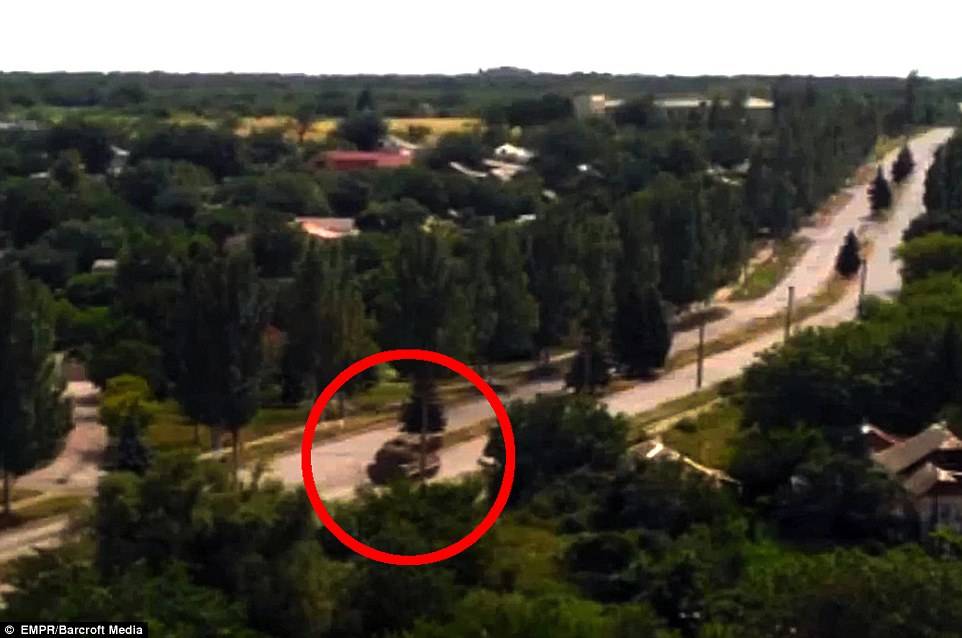
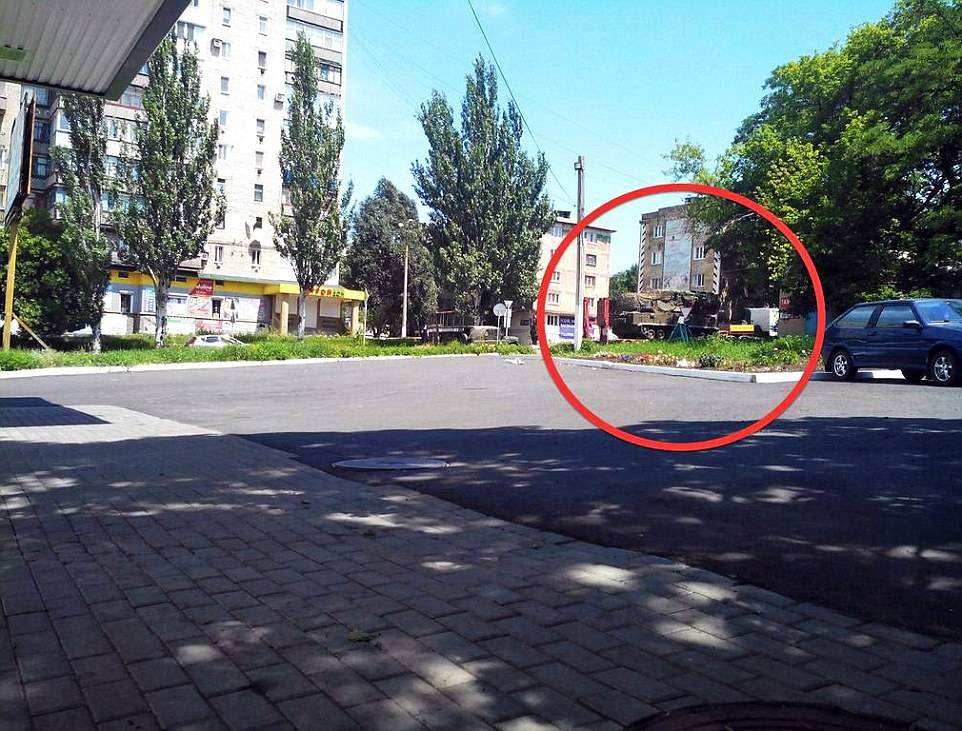
Of course it was Ukraine.. eye roll.
I am willing to wager that BUK is a heat seeker, the most primitive guided missile. Put rocket propelled flares on the plane with a thermal image computer for anti-missile and programmed to launch when a hot flash is sensed on the ground meaning launch. The heat seeker will chase after the hottest thing in its narrow range of vision.
Operation[edit]
The Buk is a mobile, radar-guided surface-to-air missile (SAM) missile system with all four main components — acquisition and targeting radars, a command element, missile launchers, and a logistics element — mounted on tracked vehicles. This allows the system to move with other military forces and relocate to make it a more difficult target to find than a fixed SAM system.
- The acquisition radar component (several variants have differing capabilities) allows the system to identify, track and target selected targets.
- The command component is intended to discern "friendly" military aircraft from foes (IFF), prioritize multiple targets, and pass radar targeting information to the missile launchers.
- The missile launcher component can carry a variety of missiles (as listed below) and may be able to engage more than one target simultaneously.
- The logistics component carries additional (reload) missiles and provides other supplies and parts for the system and the operators.
In general, the system identifies potential targets (radar), selects a particular target (command), fires a missile (launcher) at the target, and resupplies the system (logistics). The missiles require a radar lock to initially steer the missile to the target until the missile's on-board radar system takes over to provide final course corrections. A proximity fuse aboard the missile determines when it will detonate, creating an expanding fragmentation pattern of missile components and warhead to intercept and destroy the target. A proximity fuse improves the "probability of kill" given the missile and target closure rates, which can be more than 3,000 km/h (1,900 mph) (or more than 900 m/s (3,000 ft/s)).
Alternatively, the command component may be able to remotely detonate the missile, or the on-board contact fuse will cause the warhead to detonate. The most capable radar, assuming it has a line of sight (no terrain between the radar and the target), can track targets (depending on size) as low as 30 m (98 ft) and as far as 140 km (87 mi). The most capable missile can hit targets as far as 50 km (31 mi) and more than 24,000 m (79,000 ft) in altitude. Since the introduction of the Buk in the 1970s, the capabilities of its system components have evolved, which has led to different nomenclature and nicknames for the components' variants. The Buk has also been adapted for use on naval vessels.