Lepidoptera Lovers: Butterfly Kisses

Why do we love butterflies?
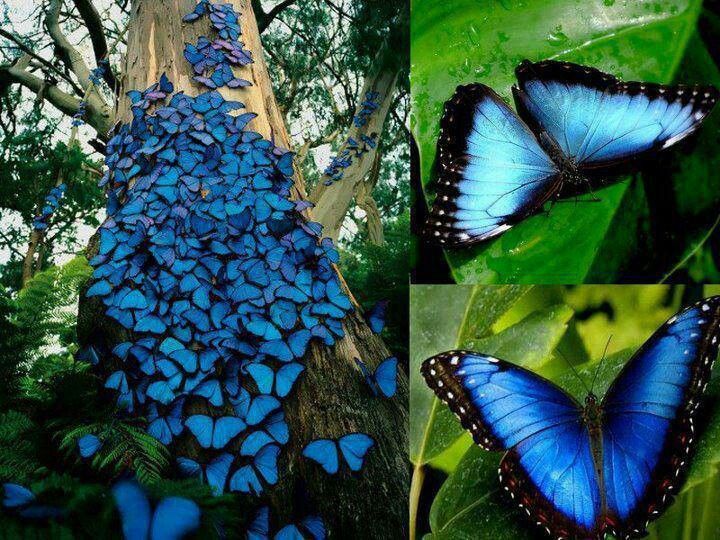
Their antics amuse and relax us, and here is a good example when coupled with lovely music:


Cruisin' the net...OK, OK, Bing Images on Lepidoptera...:biggrin:...I'm an addict for their variety of shapes and beautiful colors. Not to mention, out here in the country, I watch them from January until the next Fall when so many leaves are falling they're hard to spot.


th
th
th
upload_2018-12-20_22-59-55.webp


Attachments

  • upload_2018-12-20_22-59-50.webp
    upload_2018-12-20_22-59-50.webp
    7.5 KB · Views: 41
From: These moths are drinking birds' tears | Science 101


Deep in the Brazilian rainforest, a biologist discovered a fascinating phenomenon taking place on a tree branch above him. A little bird perched in a quiet slumber was disturbed by a large moth, casually sipping liquid from the bird’s eye. Catching the strange behavior once more before the night ended, he distiguished Brazil as only the third country where such behavior has been recorded.

A light bite
This behavior, known as lachryphagy (tear-feeding) is well documented with animals such as mammals and reptiles. However, it has only been confirmed a precious few times on birds – a dangerous gambit, as many bird species prey on moths and butterflies.


7807-1541608584432.jpg


Smithsonian

Lachryphagy is just one of several ways butterflies and moths get vital proteins and minerals like sodium which they need to produce eggs. Sipping the surface water from puddles is another method they use for fluid gathering aptly named “mud-puddling”.

Parasite, or paramour?
Traditional symbiotic relationships between two or more animal species generally result in all parties involved gaining something from a strange degree of cooperation. It’s unclear whether the host animal receives any benefit from the feeding moths or butterflies, but they don’t seem particularly bothered by it.


7806-1541608111512.jpg


Bored Panda

Leandro Moraes, the biologist who captured the fantastical scenes below, suspects lachryphagy may increase the chances of birds developing diseases. This is because the eye is one of the easiest barriers for germs and viruses to bypass when attempting to enter the body.

Some kind of monster
Human beings in Thailand have also been subject to nighttime tear theft by moths. Other species of moth, notably some members of genus calypta, have been known to use their long proboscis to suck blood from invertabrates, mammals, and even humans.


7974-1541651663247.jpg


Original Butterfly house

As disturbing as this is, it’s less about spreading vampiric curses as it is a part of a behavioral group designed to help the butterflies and moths reproduce.
 
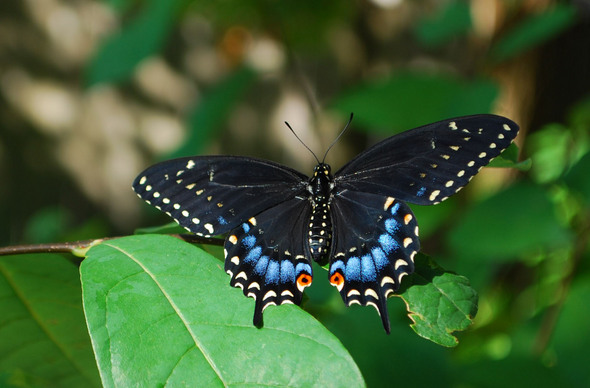
Another something that caught my eye was the Spicebush Swallowtail, and I found pictures of both butterfly and its favorite bush:

Spicebush Swallowtail, Papilio troilus

1920px-Spicebush_Swallowtail_in_August.jpg


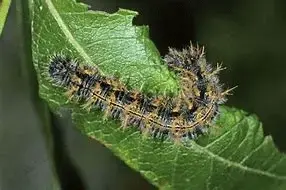
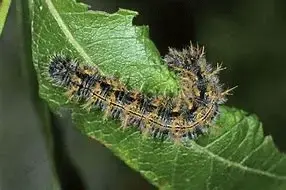
Oh, my they have a sting when they are caterpillars:


And she flies away...


black-swallowtail-spicebush2-crop-thumb-590x388-112990.jpg


And its Spicebush Lindera

spicebushripenlots_auglh_01.jpg


Think these are somewhere around here: Spicebushes. aka Lindera

th
th
th
th


And if it's not raining right now, I'm going to go look out there. May have to find a raincoat, though.


:th_beback:
 
The Sixth day of Christmas, not a goose a-swimmin' nor a-layin' in sight, yet all I can think of is those pretty red beautiful African Lepidopterans known as Cymothoe sangaris.

Cymothoe sangaris.webp
 
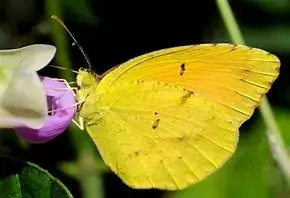
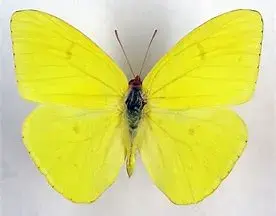
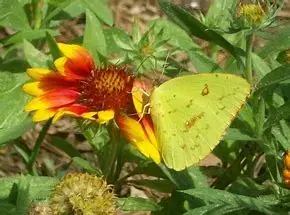
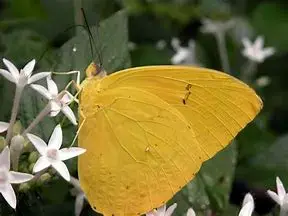
Last year, January was warm. Giant Sulphers were flitting about in the unseasonably warm days, and they were so awesome. This year, it's cold, 35F out there this morning, so I'm just going the vicarious route!
 

Attachments

  • Giant sulphur1.webp
    Giant sulphur1.webp
    5.2 KB · Views: 41
  • Giant sulphur4.webp
    Giant sulphur4.webp
    13.6 KB · Views: 46
  • Giant sulphur3.webp
    Giant sulphur3.webp
    8.8 KB · Views: 47
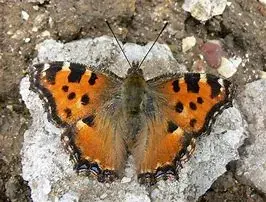
Milbert's Tortoiseshell
Aglais milberti


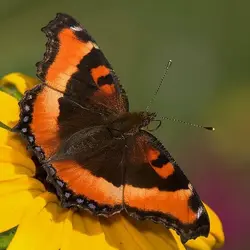
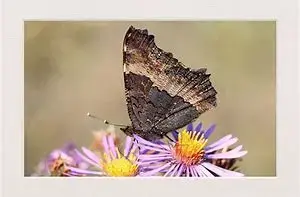
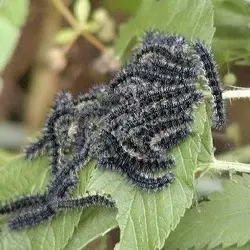
Years ago, I purchased a butterfly coloring book written by Jan Slovak, and recently was going through my nature books and located the most beautiful butterfly I'd not recently recalled, Milbert's Tortoiseshell. This butterfly's host plant is stinging nettle that grows in the cool temperature regions like Massachusetts, Colorado. The reason its coloration is so dark is because dark colors absorb more of the sun's heat, whereas light colors do not. I read through several pages before bringing images on it, though, and one Lepidopterist said he usually saw one or two butterflies of this genus per year, and one year saw none. The most recent year, he said that the Milberti's tortoiseshell was everywhere, citing it to be a banner year for them. I've noticed some of the butterflies on my land are like that, and one year I saw so many Gulf Coast Fritillaries I anticipated seeing them the next year, but only a handful were seen only one time.The Butterflies Coloring Book has thumbnail color portraits of each butterfly in the book, and this one just appealed to me for some reason. I liked especially the lilting shape of the butterflies, but when I got online and saw the brilliant colors and detailed markings, I realized how much more beautiful this butterfly is in vitro. Hope you will click on the thumbnails to get a larger picture and the unique details of this amazingly beautiful creature. In fact, I've never seen such markings which resemble a narrow band of lace along the wingtips, colored gray.
 

Attachments

  • Milbert's Tortoiseshell, Aglais milberti1.webp
    Milbert's Tortoiseshell, Aglais milberti1.webp
    34.2 KB · Views: 72
  • Milbert's Tortoiseshell, Aglais milberti2 Closed wings.webp
    Milbert's Tortoiseshell, Aglais milberti2 Closed wings.webp
    7 KB · Views: 41
  • Milbert's Tortoiseshell, Aglais milberti4 Caterpillar.webp
    Milbert's Tortoiseshell, Aglais milberti4 Caterpillar.webp
    29.1 KB · Views: 41
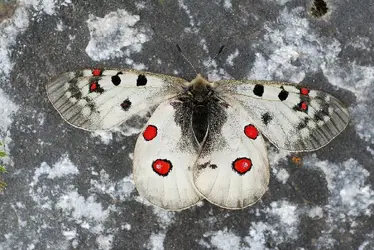
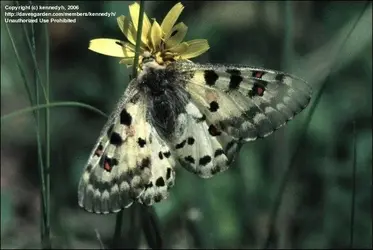
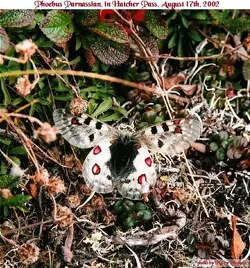
Phoebus Parnassian
Parnassius phoebus

Parnassius phoebus, known as the Phoebus Apollo or small Apollo, is a butterfly species of the swallowtail butterfly family, Papilionidae, found in Eurasia and North America. P. phoebus is found in the Alps, Urals, Siberia, Kazakhstan, Mongolia, China, Alaska and Canada south through the United States to Utah and New Mexico. Parnassius phoebus - Wikipedia

Host plant, King's crown, in Alaskan mountains, British Columbia, et al

big_kingscrown.JPEG

Click on images below for fine details of Parnassius phoebus.
I love this butterfly. It is so different, can endure a snowstorm, and it's quite a pleasure to see a specie that is found throughout the Northern hemisphere.


Attachments

  • Parnassius_phoebus2.webp
    Parnassius_phoebus2.webp
    228 KB · Views: 37
  • Parnassius_phoebus4.webp
    Parnassius_phoebus4.webp
    50.7 KB · Views: 38
  • parnassian phoebus 6.webp
    parnassian phoebus 6.webp
    119.2 KB · Views: 35
Milbert's Tortoiseshell
Aglais milberti


Years ago, I purchased a butterfly coloring book written by Jan Slovak, and recently was going through my nature books and located the most beautiful butterfly I'd not recently recalled, Milbert's Tortoiseshell. This butterfly's host plant is stinging nettle that grows in the cool temperature regions like Massachusetts, Colorado. The reason its coloration is so dark is because dark colors absorb more of the sun's heat, whereas light colors do not. I read through several pages before bringing images on it, though, and one Lepidopterist said he usually saw one or two butterflies of this genus per year, and one year saw none. The most recent year, he said that the Milberti's tortoiseshell was everywhere, citing it to be a banner year for them. I've noticed some of the butterflies on my land are like that, and one year I saw so many Gulf Coast Fritillaries I anticipated seeing them the next year, but only a handful were seen only one time.The Butterflies Coloring Book has thumbnail color portraits of each butterfly in the book, and this one just appealed to me for some reason. I liked especially the lilting shape of the butterflies, but when I got online and saw the brilliant colors and detailed markings, I realized how much more beautiful this butterfly is in vitro. Hope you will click on the thumbnails to get a larger picture and the unique details of this amazingly beautiful creature. In fact, I've never seen such markings which resemble a narrow band of lace along the wingtips, colored gray.

Another tortoiseshell, this one is called

The Large Tortoiseshell
Nymphalis polychloros


Attachments

  • The Large Tortoiseshell.webp
    The Large Tortoiseshell.webp
    18.3 KB · Views: 84
  • The Large Tortoiseshell caterpillar.webp
    The Large Tortoiseshell caterpillar.webp
    10.2 KB · Views: 86
  • The Large Tortoiseshell caterpillar.webp
    The Large Tortoiseshell caterpillar.webp
    10.2 KB · Views: 74
Found a video on a hummingbird moth, just for fun. The speaker seems to be someone who likes ornithology and Lepidoptera family members.


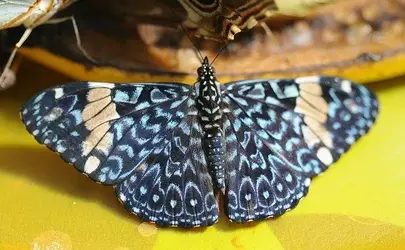
This was called "Hamadryas, (butterfly)" Not sure if that meant butterfly in another language or is an actual specie name. No matter. It's a beautiful creature in and of itself. imho.
 

Attachments

  • Hamadryas .webp
    Hamadryas .webp
    40.4 KB · Views: 45
Last edited:
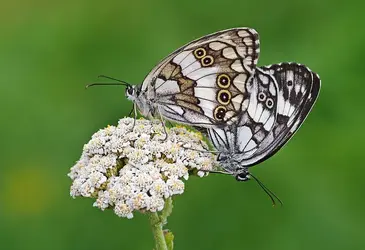
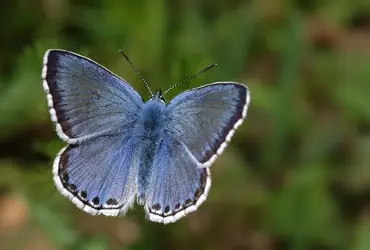
Found some truly beautiful specimens on Bing! :)
 

Attachments

  • Syrian Marbled White Melanargia syriaca.webp
    Syrian Marbled White Melanargia syriaca.webp
    59.3 KB · Views: 69
  • Syrian Levantine Blue.webp
    Syrian Levantine Blue.webp
    41.5 KB · Views: 74
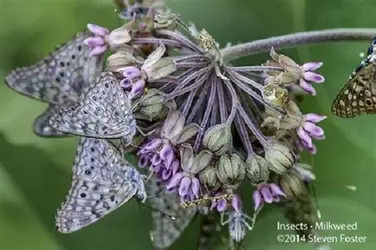
  • Asclepius syiriaca.webp
    Asclepius syiriaca.webp
    33.9 KB · Views: 42
15th post
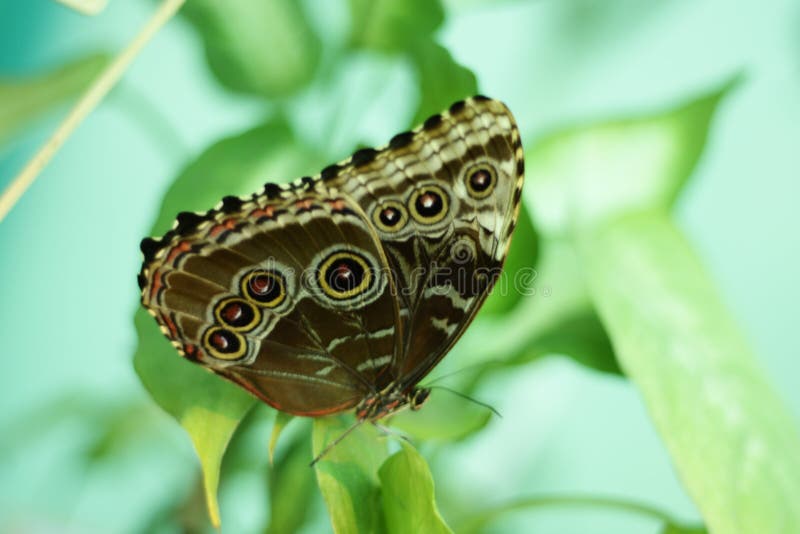
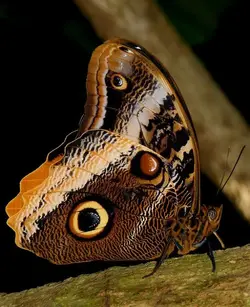
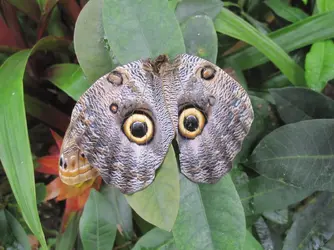
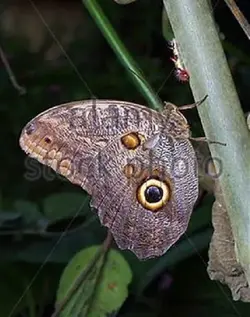
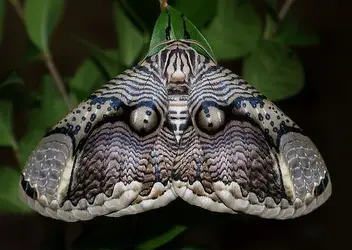
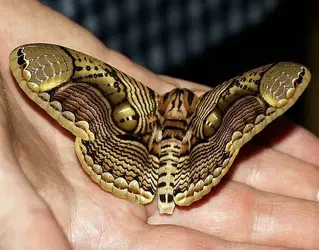
Owl Butterfly
Caligo Memnon

owl-butterfly-caligo-memnon-7301890.jpg


Attachments

  • Owl Butterfly2 Caligo memnon.webp
    Owl Butterfly2 Caligo memnon.webp
    64.8 KB · Views: 84
  • Owl Moth or Butterfly,.webp
    Owl Moth or Butterfly,.webp
    250.2 KB · Views: 77
  • Owl Butterfly Caligo memnon.webp
    Owl Butterfly Caligo memnon.webp
    34.9 KB · Views: 69
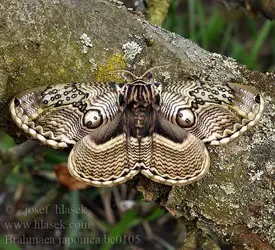
Owl moth brahmaea_japonica1.webp
Owl Moth of Thailand.webp
Owl moth brahmaea japonica3.webp
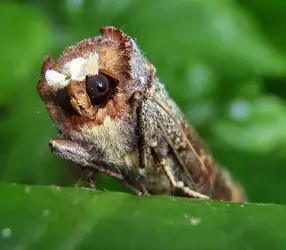
Owl Moths are different from Owl Butterflies.
And oh, the moths are so beautiful.
Owl moth brahmaea_japonica1.webp Owl Moth of Thailand.webp Owl moth brahmaea japonica3.webp Owl Moth
Brahmanea japonica
 

Attachments

  • Owl Moth4 Brahmaea_hearseyi_wiki.webp
    Owl Moth4 Brahmaea_hearseyi_wiki.webp
    54.7 KB · Views: 68
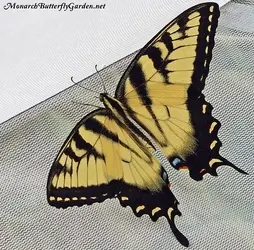
I thought of a yellow swallowtail I caught the slightest glimpse of last spring. I couldn't believe the beauty I was looking at! I even caught the blue area at the edge of its lower wings. It was so perfect, but quick to leave the scene as I was oooing and ahhhhing! lol
Our area is close to the edge in the central states area, but there's no mistake. It is called the Eastern Swallowtail, and its range is at the left below.

eatiswMAP.gif
01,22.2019 Eastern tigers wallowtail2.webp
01.22.1019 Eastern Tiger Swallowtail Caterpillar.webp
 

Attachments

  • 01.22.2019 Tiger Swallowtail3.webp
    01.22.2019 Tiger Swallowtail3.webp
    83.3 KB · Views: 37
Back
Top Bottom