This is not about demanding morality. It is about suggesting morality that Progressive Socialists abandoned once the Democratic Party was usurped by them. That has an affect on people. Perhaps millions more would be living a life with more comforts instead of a harder life compounded by mistakes.The right doesn't get to be the morality police anymore after electing the biggest whore since Ben Franklin.
Navigation
Install the app
How to install the app on iOS
Follow along with the video below to see how to install our site as a web app on your home screen.
Note: This feature may not be available in some browsers.
More options
Style variation
You are using an out of date browser. It may not display this or other websites correctly.
You should upgrade or use an alternative browser.
You should upgrade or use an alternative browser.
Kamala Harris Slept Her Way to the Top
- Thread starter Bush92
- Start date

Bush92
GHBush1992
- May 23, 2014
- 34,808
- 10,908
- 1,400
- Thread starter
- #822
Kamala Harris does.Dude. Trump did an intro to a porn film, has banged porn stars while one of his multiple wives was pregnant, and his wife did softcore lesbian porn. Nothing comes close to that level of trash.He paid for services rendered. Billy Boy exposed himself and forced himself on women. He also spent time down on his billionaire buddies fantisex island. Willie Brown sat back and watched his power attract “Kamala Toe” Harris like a fly to fly paper. She was willing to whore her way to SF City Hall.The right doesn't get to be the morality police anymore after electing the biggest whore since Ben Franklin.
Bush92
GHBush1992
- May 23, 2014
- 34,808
- 10,908
- 1,400
- Thread starter
- #823
Marion Barry comes to mind. Bawney Fwank and teen boy interns comes to mind.Dude. Trump did an intro to a porn film, has banged porn stars while one of his multiple wives was pregnant, and his wife did softcore lesbian porn. Nothing comes close to that level of trash.He paid for services rendered. Billy Boy exposed himself and forced himself on women. He also spent time down on his billionaire buddies fantisex island. Willie Brown sat back and watched his power attract “Kamala Toe” Harris like a fly to fly paper. She was willing to whore her way to SF City Hall.The right doesn't get to be the morality police anymore after electing the biggest whore since Ben Franklin.

WheelieAddict
Gold Member
- Feb 10, 2012
- 7,853
- 1,140
- 265
She had multiple husbands and banged porn stars, was in porn films like trump? Show the proofKamala Harris does.Dude. Trump did an intro to a porn film, has banged porn stars while one of his multiple wives was pregnant, and his wife did softcore lesbian porn. Nothing comes close to that level of trash.He paid for services rendered. Billy Boy exposed himself and forced himself on women. He also spent time down on his billionaire buddies fantisex island. Willie Brown sat back and watched his power attract “Kamala Toe” Harris like a fly to fly paper. She was willing to whore her way to SF City Hall.The right doesn't get to be the morality police anymore after electing the biggest whore since Ben Franklin.
Bush92
GHBush1992
- May 23, 2014
- 34,808
- 10,908
- 1,400
- Thread starter
- #825
Nope. She’s just a common whore who didn’t have the skill set to make in SF politics. So she fucked the old mayor Willie.She had multiple husbands and banged porn stars, was in porn films like trump? Show the proofKamala Harris does.Dude. Trump did an intro to a porn film, has banged porn stars while one of his multiple wives was pregnant, and his wife did softcore lesbian porn. Nothing comes close to that level of trash.He paid for services rendered. Billy Boy exposed himself and forced himself on women. He also spent time down on his billionaire buddies fantisex island. Willie Brown sat back and watched his power attract “Kamala Toe” Harris like a fly to fly paper. She was willing to whore her way to SF City Hall.The right doesn't get to be the morality police anymore after electing the biggest whore since Ben Franklin.
WheelieAddict
Gold Member
- Feb 10, 2012
- 7,853
- 1,140
- 265
Even if true that shouldn't be an issue for republicans considering they don't mind trump was banging porn stars while his immigrant wife was pregnant. You don't get to try and vilify others while giving all that a pass. Unless you want to be a hypocritical douchebag.
All these sleazy Wannabees are going to experience what it's all about to be in the way of Hillary and her criminal syndicate's way eventually. People forget sociopaths like the Clintons and their club of deviants will burn this country and half the planet to the ground to get their way or just to spite their enemies who do manage to beat them at something.
It is possible that we were at the point of a stodgy Republican was not going to get elected. Cruz was the best candidate. And he was for more freedoms. Progressive Socialists have done a masterful job of dividing people. Trump though spouts like Progressives and for some reason you can not have that.Even if true that shouldn't be an issue for republicans considering they don't mind trump was banging porn stars while his immigrant wife was pregnant. You don't get to try and vilify others while giving all that a pass. Unless you want to be a hypocritical douchebag.
Even if true that shouldn't be an issue for republicans considering they don't mind trump was banging porn stars while his immigrant wife was pregnant. You don't get to try and vilify others while giving all that a pass. Unless you want to be a hypocritical douchebag.
Mostly we just laugh at you sicko deviants and your suddenly becoming a bunch of ****** Church Ladies in your 'silly 'talking points' re Trump.
Bush92
GHBush1992
- May 23, 2014
- 34,808
- 10,908
- 1,400
- Thread starter
- #831
Perhaps women are just attracted to his large penis. You know, the one he smacked Hillary in the face with in 2016?Even if true that shouldn't be an issue for republicans considering they don't mind trump was banging porn stars while his immigrant wife was pregnant. You don't get to try and vilify others while giving all that a pass. Unless you want to be a hypocritical douchebag.

Bush92
GHBush1992
- May 23, 2014
- 34,808
- 10,908
- 1,400
- Thread starter
- #832
Would not doubt it. Meanwhile the shit continued to pile up in the streets of San Francisco.So you deny Willie Brown statements?
Did you see what Brown wrote. Read below and then apologize for being a jerk.
Sure, I dated Kamala Harris. So what?
I’ve been peppered with calls from the national media about my “relationship” with Kamala Harris, particularly since it became obvious that she was going to run for president. Most of them, I have not returned.
Yes, we dated. It was more than 20 years ago. Yes, I may have influenced her career by appointing her to two state commissions when I was Assembly speaker.
And I certainly helped with her first race for district attorney in San Francisco. I have also helped the careers of House Speaker Nancy Pelosi, Gov. Gavin Newsom, Sen. Dianne Feinstein and a host of other politicians.
The difference is that Harris is the only one who, after I helped her, sent word that I would be indicted if I “so much as jaywalked” while she was D.A.
So ******* what? Willie Brown is a liar. Kamala fucked him because he gave her a car. Pelosi probably did the same...Look up Burton and Pelosi and Brown. They had a **** circle. Kamala was new young meat for Willie that's all. She's a whore.

BS Filter
Diamond Member
- Jan 12, 2018
- 48,576
- 31,387
- 2,615
Nope, no problem with it because he was a private citizen. Harris and Brown were on the taxpayer's dime during and after. It's called accountability in government, something you lefties have no concept of.LMAO That's really, truly hilarious. Separated people date. It's normal How about your hero the Drumph ******* porn stars while his wife gives birth? Got any problem at all with that? Dating a separated person when you are single is not immoral, at all. Get it? Hypocrite.He was still married.
Kamala Harris was a private citizen dumbass. She was a prosecutor? She briefly dated Willie 20 years ago, long before she was elected to anything, and he had been separated from his wife for 10 years. Redirect to read all about it by clicking here. FOX NEWS is manufacturing another conspiracy, and they're lying about this relationship.
Kamala Harris Slept Her Way to the Top
You may want to explain all the Nepotism we're paying for going on in the White House, and why Michael Cohen is going to prison for 3 years and one charge is campaign finance violations for paying off 2 women who Trump had an affair with while he was married to Melania.
You Reich wingers are f....ing hipocrites. There's no getting around that--
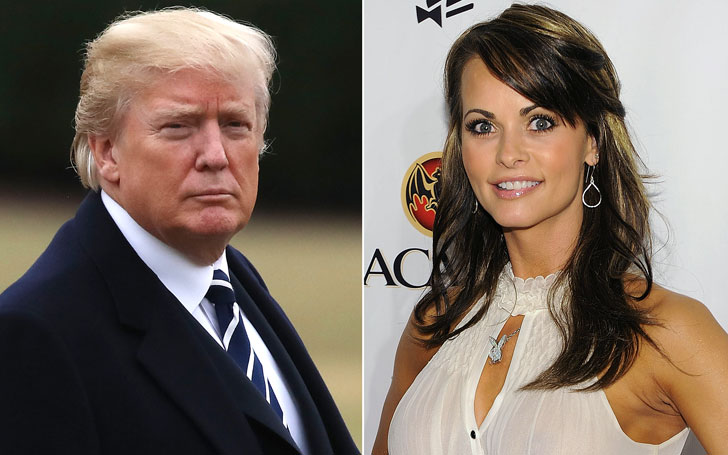
One payoff here, while he was married to Melania

Another payoff to Stormy Daniels, an affair he had while married to Melania.
No one cares. You don't care about Harris and I don't care about Trump.
Well if you don't care, what in the hell are you doing on this thread?
I'm posting. Go **** yourself.
BS Filter
Diamond Member
- Jan 12, 2018
- 48,576
- 31,387
- 2,615
Doesn't matter. She's not running for any government office. Idiot.So, a black woman is following in Melania's footsteps? What's wrong with that?
That's what I said, no woman has slept her way to the top like this woman did--

And I don't think she really saw anything in this other than $$$$$$$$$$$$$$

BS Filter
Diamond Member
- Jan 12, 2018
- 48,576
- 31,387
- 2,615
You still haven't learned that nothing is free. Sad.Yep, she had an affair with Brown and who cares if she blew him or not? Her platform doesn't match mine so I would probably not vote for her.
What platform do you support? Some detail will be appreciated.
She is for single payer, I’m against single payer. She is for prosecuting parents for their children’s truancy, I think it’s a bad idea, it hurts low income and minorities harder than other parents. Don’t like her immigration policy, there is a legal path for citizenship and we need to follow it. She is purposing tax credits, I am against tax credits, we need higher taxes and lower spending. Just fundamental differences, nothing earthshaking.
Single payer is much like the wall issue, the devil is in the details and no one has yet provided the details of single payer and how long it will be, and how much the wall will cost.
What is her "immigration policy"? Why are you opposed to tax credits (only when they apply to the needy, and not corporations?)?
I agree, we need higher taxes, and those who make the most don't need it for food, shelter and clothing. Thus those who do need tax credits.
Single payer works pretty simply:
1. Doctors, hospitals and labs would bill the state office for all necessary medical services they provide for all patients, and the state would remit the payments.
As you said, the devil is in the details. What about the taxes to pay for all of this? Basically, instead of paying health insurance premiums, you pay health insurance taxes. But instead of a complex and expensive system of administration, paperwork, pre-approvals for care, and third party billing companies, doctors and hospitals can streamline their practices, enabling them to treat more patients, more efficiently, because most of the accounting paperwork is eliminated.
In the US, 30% of every health care dollar is spent on administration - billing and payments, to hundreds of health insurance companies, collecting co-pays, chasing the uninsured. In single payer countries, that figure is less than 10%. That one line item alone reduces your costs by 20% or more, across the board. In Canada, our administration rate is 7%. 15% of your population is uninsured. That's nearly a 25% difference. Imagine if hospitals and clinics had spent 25% less on billing and collection. They could reduce their fees.
In most doctor's offices in Canada, the receptionist submits the monthly bill to the provincial heath insurance office. No third party billing company, no chasing co-pays, or the uninsured. One doctor who had practiced in both Canada and the US said he made more money in the US, but kept much more of what he earned in Canada because his expenses were so much lower. He could also spend more time with his patients since he didn't have to get pre-approvals or deal with insurance companies, which meant he could see more patients, thereby increasing his practice.
I've also talked to people who have been treated under both health care systems. When Americans living in Canada first encounter our health care system, they are shocked that nobody asks about how their bill will be paid. They just ask for your OHIP card at reception. You hand them your card, they swipe it, and everything that happens thereafter is all about your care.
When I get sick, I go to the doctor. If I am hospitalized, I don't have to worry about paying the bill, because I will have no bills from either. All I worry about is getting better and going home.
Thank you. I believe, and correct me if I'm wrong, that preventative medicine from cradle to grave would be a cost benefit, even when free for every citizen.

Darkwind
Diamond Member
- Jun 18, 2009
- 42,795
- 31,681
- 3,615
Wait .....What?I worked for Edwards 2004 campaign. Why I got out of politics and I am no longer a Democrat.She's the female Bill Clinton. Or Ted Kennedy, John Edwards, Gary Hart...…..
You were a Breck Girl devotee? Ho Li Fuk.
danielpalos
Diamond Member
- Banned
- #837
thank goodness women don't insist sexual charity should cover multitudes of sins as well.


taking it for the team to get legislation passed should be a positive thing.
modern times!
danielpalos
Diamond Member
- Banned
- #838
thank goodness women don't really believe in equality and equal rights rights, and proclaim they are the supply side specialists and the Person with the highest numbers and most practice, wins on some issues.Hey, Kamala did what she had to do in a man's world. Still, she's a slut.Just another Democrat slut.
You voted for trump and you called someone a slug?
No. I called her a slut.
You have another name for one who sells sexual favors for political advancement? Prostitute perhaps?
Once again, we find the two oldest professions, neck-and-neck
trump is the King of Sluts
...He has no morals....so ethics....no conscious. Melania sees a big pay day down the road. Why else would she stay with .Sexual Deviant...?

Wry Catcher
Diamond Member
- Banned
- #839
You still haven't learned that nothing is free. Sad.What platform do you support? Some detail will be appreciated.
She is for single payer, I’m against single payer. She is for prosecuting parents for their children’s truancy, I think it’s a bad idea, it hurts low income and minorities harder than other parents. Don’t like her immigration policy, there is a legal path for citizenship and we need to follow it. She is purposing tax credits, I am against tax credits, we need higher taxes and lower spending. Just fundamental differences, nothing earthshaking.
Single payer is much like the wall issue, the devil is in the details and no one has yet provided the details of single payer and how long it will be, and how much the wall will cost.
What is her "immigration policy"? Why are you opposed to tax credits (only when they apply to the needy, and not corporations?)?
I agree, we need higher taxes, and those who make the most don't need it for food, shelter and clothing. Thus those who do need tax credits.
Single payer works pretty simply:
1. Doctors, hospitals and labs would bill the state office for all necessary medical services they provide for all patients, and the state would remit the payments.
As you said, the devil is in the details. What about the taxes to pay for all of this? Basically, instead of paying health insurance premiums, you pay health insurance taxes. But instead of a complex and expensive system of administration, paperwork, pre-approvals for care, and third party billing companies, doctors and hospitals can streamline their practices, enabling them to treat more patients, more efficiently, because most of the accounting paperwork is eliminated.
In the US, 30% of every health care dollar is spent on administration - billing and payments, to hundreds of health insurance companies, collecting co-pays, chasing the uninsured. In single payer countries, that figure is less than 10%. That one line item alone reduces your costs by 20% or more, across the board. In Canada, our administration rate is 7%. 15% of your population is uninsured. That's nearly a 25% difference. Imagine if hospitals and clinics had spent 25% less on billing and collection. They could reduce their fees.
In most doctor's offices in Canada, the receptionist submits the monthly bill to the provincial heath insurance office. No third party billing company, no chasing co-pays, or the uninsured. One doctor who had practiced in both Canada and the US said he made more money in the US, but kept much more of what he earned in Canada because his expenses were so much lower. He could also spend more time with his patients since he didn't have to get pre-approvals or deal with insurance companies, which meant he could see more patients, thereby increasing his practice.
I've also talked to people who have been treated under both health care systems. When Americans living in Canada first encounter our health care system, they are shocked that nobody asks about how their bill will be paid. They just ask for your OHIP card at reception. You hand them your card, they swipe it, and everything that happens thereafter is all about your care.
When I get sick, I go to the doctor. If I am hospitalized, I don't have to worry about paying the bill, because I will have no bills from either. All I worry about is getting better and going home.
Thank you. I believe, and correct me if I'm wrong, that preventative medicine from cradle to grave would be a cost benefit, even when free for every citizen.
You haven't learned to think outside the box. Consider, if you will, how preventative medicine has conquered Polio and other serious diseases, and when a serious illness / disease is treatable and less costly when discovered early, in regular, age appropriate physicals and dental care.
Counseling is part of preventative care, teaching not lecturing tweens and teens about health**, and how good health is the most important factor in every persons life; something they and adults can only do for themselves.
**Pointing out how smoking, alcohol and other drugs will impact their health negatively, and how exercise and meditation / prayer can positively effect their health.

LordBrownTrout
Diamond Member
You still haven't learned that nothing is free. Sad.She is for single payer, I’m against single payer. She is for prosecuting parents for their children’s truancy, I think it’s a bad idea, it hurts low income and minorities harder than other parents. Don’t like her immigration policy, there is a legal path for citizenship and we need to follow it. She is purposing tax credits, I am against tax credits, we need higher taxes and lower spending. Just fundamental differences, nothing earthshaking.
Single payer is much like the wall issue, the devil is in the details and no one has yet provided the details of single payer and how long it will be, and how much the wall will cost.
What is her "immigration policy"? Why are you opposed to tax credits (only when they apply to the needy, and not corporations?)?
I agree, we need higher taxes, and those who make the most don't need it for food, shelter and clothing. Thus those who do need tax credits.
Single payer works pretty simply:
1. Doctors, hospitals and labs would bill the state office for all necessary medical services they provide for all patients, and the state would remit the payments.
As you said, the devil is in the details. What about the taxes to pay for all of this? Basically, instead of paying health insurance premiums, you pay health insurance taxes. But instead of a complex and expensive system of administration, paperwork, pre-approvals for care, and third party billing companies, doctors and hospitals can streamline their practices, enabling them to treat more patients, more efficiently, because most of the accounting paperwork is eliminated.
In the US, 30% of every health care dollar is spent on administration - billing and payments, to hundreds of health insurance companies, collecting co-pays, chasing the uninsured. In single payer countries, that figure is less than 10%. That one line item alone reduces your costs by 20% or more, across the board. In Canada, our administration rate is 7%. 15% of your population is uninsured. That's nearly a 25% difference. Imagine if hospitals and clinics had spent 25% less on billing and collection. They could reduce their fees.
In most doctor's offices in Canada, the receptionist submits the monthly bill to the provincial heath insurance office. No third party billing company, no chasing co-pays, or the uninsured. One doctor who had practiced in both Canada and the US said he made more money in the US, but kept much more of what he earned in Canada because his expenses were so much lower. He could also spend more time with his patients since he didn't have to get pre-approvals or deal with insurance companies, which meant he could see more patients, thereby increasing his practice.
I've also talked to people who have been treated under both health care systems. When Americans living in Canada first encounter our health care system, they are shocked that nobody asks about how their bill will be paid. They just ask for your OHIP card at reception. You hand them your card, they swipe it, and everything that happens thereafter is all about your care.
When I get sick, I go to the doctor. If I am hospitalized, I don't have to worry about paying the bill, because I will have no bills from either. All I worry about is getting better and going home.
Thank you. I believe, and correct me if I'm wrong, that preventative medicine from cradle to grave would be a cost benefit, even when free for every citizen.
You haven't learned to think outside the box. Consider, if you will, how preventative medicine has conquered Polio and other serious diseases, and when a serious illness / disease is treatable and less costly when discovered early, in regular, age appropriate physicals and dental care.
Counseling is part of preventative care, teaching not lecturing tweens and teens about health**, and how good health is the most important factor in every persons life; something they and adults can only do for themselves.
**Pointing out how smoking, alcohol and other drugs will impact their health negatively, and how exercise and meditation / prayer can positively effect their health.
I actually agree with you here. No one can deny that we're the fattest on the earth. A diet of fruits, vegetables, nuts, fish would go a long way.
Similar threads
- Replies
- 49
- Views
- 586


- Replies
- 383
- Views
- 4K


- Replies
- 2
- Views
- 160
- Replies
- 55
- Views
- 818


New Topics
-

-
This Is Proof That Kamala Harris Would Have Let A Nuclear War Begin
- Started by ChristisKing
- Replies: 0
-
ICE, Tom Homan, and President Donald J. Trump Are Back!!!! 😀
- Started by ChristisKing
- Replies: 2
-
 Imagine this: It's October, 1962; we are in a Standoff with Cuba & USSR, we have today's Fake News and JFK is a Republican.
- Started by Locke11_21
- Replies: 2
-


