Is there a coming US food crisis?

Doc7505

Diamond Member
Joined
Feb 16, 2016
Messages
23,552
Reaction score
41,918
Points
2,430

Is there a coming US food crisis?

Most Americans can’t imagine their favorite restaurant just being out of certain foods. But the threat is closer than we think.
117 Mar 2026 ~~ By John Klar

It is difficult to imagine that the mighty United States could face threats to its seemingly abundant supply of grocery store and restaurant offerings. America has led the world in creating the modern industrial food system (known as “the Green Revolution”) and remains the world’s top food-exporting nation. Yet economic and logistical fractures have become visible, threatening to burst this illusion of plenty in a matter of moments.
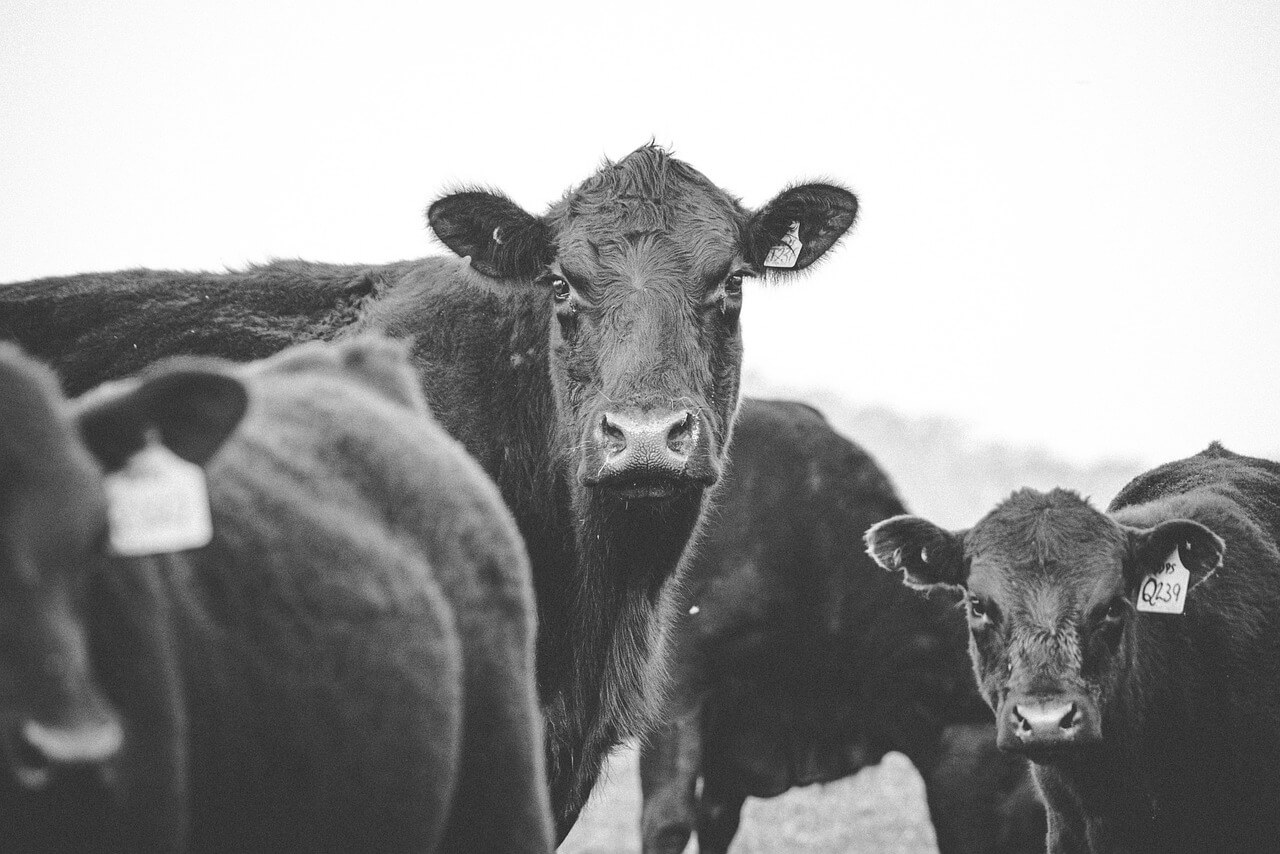
America’s farms have been quietly disappearing for decades, and productive farmland acreage has dropped in tandem. The U.S. now imports more food than it exports, much of that from China. The pandemic revealed the vulnerability of strained supply lines as grocery shelves emptied of more than mere toilet paper. Americans clamor for cheap hamburger, but the U.S. cattle herd is the smallest it’s been in 75 years. These are all harbingers of future food supply challenges.
The farmer revolts in the E.U. are distant from America’s shores, but they reflect ongoing ideological pressures by globalists determined to dominate the world’s food production system. The odd bedfellows of animal rights activists and climate alarmists who attack farmers in Europe gather annually at Davos to declaim human eating habits. Both groups seek to “liberate” animals from the food supply: one to save the animals (and leave them unalived, because they will disappear); the other to save the world...from alleged climate change and the ubiquitous carbon culprit.
~Snip~
Whether this drive to consolidate farming into the industrial model is motivated by a desire to control humanity (linking food purchases to an electronic currency and social credit would be a doozy) or simply the age-old push to increase market share, the result is the same: increasing dependency on ever fewer farms and food manufacturers for foods that are shipped ever-greater distances. More than half of all U.S. produce is grown in California; more than half of all lamb eaten here is shipped from Australia and New Zealand. This distribution system isn’t very good for the environment; it’s even worse for U.S. food security.
Americans spent about 9% of their average household budgets on food for more than five decades, enabled by technological advances, chemicals that boosted yields, and cheap fuels. Yet all three of these advances conceal hidden dangers, especially dependence on cheap energy. The Iran conflict threatens to spike oil and natural gas prices. Diesel is used in tractors. Urea, a key synthetic nitrogen fertilizer, is made from natural gas. Cheap food is the direct product of cheap energy.
What non-farmer drive-thru diners don’t discern is how quickly inflation impacts energy-layered food production inputs. Tractors need diesel as they till, plant, spray, and harvest; pesticides, seeds, equipment, and fertilizers are manufactured and delivered using fuel; crops and processed food products are shipped through vast distribution networks of shipping containers and tractor-trailer trucks. Food supplies are thus particularly vulnerable to compounded inflationary impacts.


Commentary:
Democrats and their Social Marxist friends are trying to create food shortages. The Biden administration created suplly side shortages, killing cows and chickens (using flu as an excuse) which drove up prices.
Mr Klar has compiled snippets of current and past history to try and prove to us there’s trouble! Right here in river city! I’m seeing way too many of those articles here lately. Farms, family or otherwise, have been selling out to their neighbors for over a century. Much of this is generational. The industrial revolution created vast numbers of jobs off the farms. Many farm children took advantage of that. Growing farms have more to do with technology and horsepower. One man is capable of managing far more acres than or grandfathers could.
If you wish to look at our current problems, I’ll point you towards a couple of government regs. First is the ethanol mandate. Over 40% of our corn is used in our fuel tanks. When these mandates went into effect vast amounts of grassland and CRP ground was turned under and put towards growing $8 corn. Now we have a hay shortage. The other has been our decade’s of low interest rates. This easy money policy has driven land prices into areas most farmers are unwilling to go. Rather than play their game many retire and sell/rent. What is left standing tends to be what everyone wants to call industrial farms. I know of a farmer who operates around 10,000 acres. Is it industrial or family? It’s operated by a father and son. They need to spread their ever growing inputs over more acres.
 

Is there a coming US food crisis?

Most Americans can’t imagine their favorite restaurant just being out of certain foods. But the threat is closer than we think.
117 Mar 2026 ~~ By John Klar

It is difficult to imagine that the mighty United States could face threats to its seemingly abundant supply of grocery store and restaurant offerings. America has led the world in creating the modern industrial food system (known as “the Green Revolution”) and remains the world’s top food-exporting nation. Yet economic and logistical fractures have become visible, threatening to burst this illusion of plenty in a matter of moments.
America’s farms have been quietly disappearing for decades, and productive farmland acreage has dropped in tandem. The U.S. now imports more food than it exports, much of that from China. The pandemic revealed the vulnerability of strained supply lines as grocery shelves emptied of more than mere toilet paper. Americans clamor for cheap hamburger, but the U.S. cattle herd is the smallest it’s been in 75 years. These are all harbingers of future food supply challenges.
The farmer revolts in the E.U. are distant from America’s shores, but they reflect ongoing ideological pressures by globalists determined to dominate the world’s food production system. The odd bedfellows of animal rights activists and climate alarmists who attack farmers in Europe gather annually at Davos to declaim human eating habits. Both groups seek to “liberate” animals from the food supply: one to save the animals (and leave them unalived, because they will disappear); the other to save the world...from alleged climate change and the ubiquitous carbon culprit.
~Snip~
Whether this drive to consolidate farming into the industrial model is motivated by a desire to control humanity (linking food purchases to an electronic currency and social credit would be a doozy) or simply the age-old push to increase market share, the result is the same: increasing dependency on ever fewer farms and food manufacturers for foods that are shipped ever-greater distances. More than half of all U.S. produce is grown in California; more than half of all lamb eaten here is shipped from Australia and New Zealand. This distribution system isn’t very good for the environment; it’s even worse for U.S. food security.
Americans spent about 9% of their average household budgets on food for more than five decades, enabled by technological advances, chemicals that boosted yields, and cheap fuels. Yet all three of these advances conceal hidden dangers, especially dependence on cheap energy. The Iran conflict threatens to spike oil and natural gas prices. Diesel is used in tractors. Urea, a key synthetic nitrogen fertilizer, is made from natural gas. Cheap food is the direct product of cheap energy.
What non-farmer drive-thru diners don’t discern is how quickly inflation impacts energy-layered food production inputs. Tractors need diesel as they till, plant, spray, and harvest; pesticides, seeds, equipment, and fertilizers are manufactured and delivered using fuel; crops and processed food products are shipped through vast distribution networks of shipping containers and tractor-trailer trucks. Food supplies are thus particularly vulnerable to compounded inflationary impacts.


Commentary:
Democrats and their Social Marxist friends are trying to create food shortages. The Biden administration created suplly side shortages, killing cows and chickens (using flu as an excuse) which drove up prices.
Mr Klar has compiled snippets of current and past history to try and prove to us there’s trouble! Right here in river city! I’m seeing way too many of those articles here lately. Farms, family or otherwise, have been selling out to their neighbors for over a century. Much of this is generational. The industrial revolution created vast numbers of jobs off the farms. Many farm children took advantage of that. Growing farms have more to do with technology and horsepower. One man is capable of managing far more acres than or grandfathers could.
If you wish to look at our current problems, I’ll point you towards a couple of government regs. First is the ethanol mandate. Over 40% of our corn is used in our fuel tanks. When these mandates went into effect vast amounts of grassland and CRP ground was turned under and put towards growing $8 corn. Now we have a hay shortage. The other has been our decade’s of low interest rates. This easy money policy has driven land prices into areas most farmers are unwilling to go. Rather than play their game many retire and sell/rent. What is left standing tends to be what everyone wants to call industrial farms. I know of a farmer who operates around 10,000 acres. Is it industrial or family? It’s operated by a father and son. They need to spread their ever growing inputs over more acres.
Actually the serious drought caused the ranchers to reduce the herd sizes.

It takes years to build them back up.
 
How has Trump's war for Israel waged on Iran affecting global food prices"

"GoogleAI Overview:

"The Iran war has caused an immediate, sharp increase in U.S. commodity prices, particularly energy and agriculture, due to supply disruptions in the Strait of Hormuz.

"Oil prices have surged over 30% to over $100 per barrel, driving gasoline prices up significantly and threatening higher inflationary pressures across the economy.
BBC
BBC +3
"Key effects on U.S. commodity prices include:
  • "Energy Prices: Oil and gasoline prices have jumped to their highest levels since 2023, with drivers in certain regions like California seeing, for example, average prices of

    1773782558188.gif

    per gallon, according to reports."
 

Attachments

  • 1773782558180.gif
    1773782558180.gif
    43 bytes · Views: 1
The Mormons have a great system. Very popular with preppers, and not really expensive, either. Check them out.


Their stores aren't limited to Mormons; I buy a sizable supply through them every year or so, on top of my own supplies of dried veggies and meats.


Is there a coming US food crisis?

Most Americans can’t imagine their favorite restaurant just being out of certain foods. But the threat is closer than we think.
117 Mar 2026 ~~ By John Klar

It is difficult to imagine that the mighty United States could face threats to its seemingly abundant supply of grocery store and restaurant offerings. America has led the world in creating the modern industrial food system (known as “the Green Revolution”) and remains the world’s top food-exporting nation. Yet economic and logistical fractures have become visible, threatening to burst this illusion of plenty in a matter of moments.
America’s farms have been quietly disappearing for decades, and productive farmland acreage has dropped in tandem. The U.S. now imports more food than it exports, much of that from China. The pandemic revealed the vulnerability of strained supply lines as grocery shelves emptied of more than mere toilet paper. Americans clamor for cheap hamburger, but the U.S. cattle herd is the smallest it’s been in 75 years. These are all harbingers of future food supply challenges.
The farmer revolts in the E.U. are distant from America’s shores, but they reflect ongoing ideological pressures by globalists determined to dominate the world’s food production system. The odd bedfellows of animal rights activists and climate alarmists who attack farmers in Europe gather annually at Davos to declaim human eating habits. Both groups seek to “liberate” animals from the food supply: one to save the animals (and leave them unalived, because they will disappear); the other to save the world...from alleged climate change and the ubiquitous carbon culprit.
~Snip~
Whether this drive to consolidate farming into the industrial model is motivated by a desire to control humanity (linking food purchases to an electronic currency and social credit would be a doozy) or simply the age-old push to increase market share, the result is the same: increasing dependency on ever fewer farms and food manufacturers for foods that are shipped ever-greater distances. More than half of all U.S. produce is grown in California; more than half of all lamb eaten here is shipped from Australia and New Zealand. This distribution system isn’t very good for the environment; it’s even worse for U.S. food security.
Americans spent about 9% of their average household budgets on food for more than five decades, enabled by technological advances, chemicals that boosted yields, and cheap fuels. Yet all three of these advances conceal hidden dangers, especially dependence on cheap energy. The Iran conflict threatens to spike oil and natural gas prices. Diesel is used in tractors. Urea, a key synthetic nitrogen fertilizer, is made from natural gas. Cheap food is the direct product of cheap energy.
What non-farmer drive-thru diners don’t discern is how quickly inflation impacts energy-layered food production inputs. Tractors need diesel as they till, plant, spray, and harvest; pesticides, seeds, equipment, and fertilizers are manufactured and delivered using fuel; crops and processed food products are shipped through vast distribution networks of shipping containers and tractor-trailer trucks. Food supplies are thus particularly vulnerable to compounded inflationary impacts.


Commentary:
Democrats and their Social Marxist friends are trying to create food shortages. The Biden administration created suplly side shortages, killing cows and chickens (using flu as an excuse) which drove up prices.
Mr Klar has compiled snippets of current and past history to try and prove to us there’s trouble! Right here in river city! I’m seeing way too many of those articles here lately. Farms, family or otherwise, have been selling out to their neighbors for over a century. Much of this is generational. The industrial revolution created vast numbers of jobs off the farms. Many farm children took advantage of that. Growing farms have more to do with technology and horsepower. One man is capable of managing far more acres than or grandfathers could.
If you wish to look at our current problems, I’ll point you towards a couple of government regs. First is the ethanol mandate. Over 40% of our corn is used in our fuel tanks. When these mandates went into effect vast amounts of grassland and CRP ground was turned under and put towards growing $8 corn. Now we have a hay shortage. The other has been our decade’s of low interest rates. This easy money policy has driven land prices into areas most farmers are unwilling to go. Rather than play their game many retire and sell/rent. What is left standing tends to be what everyone wants to call industrial farms. I know of a farmer who operates around 10,000 acres. Is it industrial or family? It’s operated by a father and son. They need to spread their ever growing inputs over more acres.

Maybe Mahmoud Ahmadinejad.webp


Even if not a massive shortage, there is affordability issues. Also, food quality is very poor nowadays. Stone fruit is inedible in many locals.

Dairy is left out and is melted or gets hot like this yogurt that separated from being warm before it was put under refirgertion.

dsc00841-3.webp


Ice cream is all melted before you buy it and refrozen.

dsc03007-m.webp


ice cream left out in store was melted and refrozen (1).webp


ice cream left out in store was melted and refrozen (4).webp


pallet left out for hours and no one put in the freezer.webp


cold food is left out for hours sometimes.
 
View attachment 1232009

Even if not a massive shortage, there is affordability issues. Also, food quality is very poor nowadays. Stone fruit is inedible in many locals.

Dairy is left out and is melted or gets hot like this yogurt that separated from being warm before it was put under refirgertion.

View attachment 1232010

Ice cream is all melted before you buy it and refrozen.

View attachment 1232011


View attachment 1232012


View attachment 1232013


View attachment 1232015

cold food is left out for hours sometimes.

I doubt any of the fat asses who eat that fake food will starve.
 
Actually the serious drought caused the ranchers to reduce the herd sizes.

It takes years to build them back up.
<~~~~~~~~~~>​
The drought was only part of the problem. Denying use of Bureau of Land Management property to graze the herds was a major part of it beginning with the Obama Administration.
Additionally, The Biden administration has faced criticism for policies that some believe contributed to a reduction in cattle supplies, including regulatory changes and a focus on climate-related initiatives that aimed to reduce herd sizes. Critics argue that these actions have negatively impacted the cattle industry and contributed to higher beef prices.
Under both the Obama and Biden administrations, the United States saw an increase in beef imports, with the country importing more beef than it exports. This trend has been influenced by various factors, including trade policies and supply chain issues.
Pork prices are also expected to rise significantly due to supply chain disruptions, regulatory changes, and increased production costs. A recent Supreme Court decision has also impacted how hogs are farmed, further contributing to these price hikes.
Unfortunately, America the food basket of the world is being destroyed by over regulation, supply chain disruption and foreign interference.


Read more
:Ensuring Affordable Beef for the American Consumer
xxxxxxxxxx​
xxxxxxxxxx​
 
Last edited:

Most Americans can’t imagine their favorite restaurant just being out of certain foods. But the threat is closer than we think.


No worries mate. Just plan ahead to eat the bugs like the environmental-whack jobs did for us!

0f8.webp


I understand the chocolate-covered toasted grasshoppers are excellent.
 
Enjoy the results of all that corporate Jeenyus re JIT logistical networks. The Oligarchs and Big Ag get paid either way, and in fact make a lot more from 'shortages' than they do from oversupply. The right wingers and left wingers both should be dancing in the streets.
 
Last edited:

Is there a coming US food crisis?

Most Americans can’t imagine their favorite restaurant just being out of certain foods. But the threat is closer than we think.
117 Mar 2026 ~~ By John Klar

It is difficult to imagine that the mighty United States could face threats to its seemingly abundant supply of grocery store and restaurant offerings. America has led the world in creating the modern industrial food system (known as “the Green Revolution”) and remains the world’s top food-exporting nation. Yet economic and logistical fractures have become visible, threatening to burst this illusion of plenty in a matter of moments.
America’s farms have been quietly disappearing for decades, and productive farmland acreage has dropped in tandem. The U.S. now imports more food than it exports, much of that from China. The pandemic revealed the vulnerability of strained supply lines as grocery shelves emptied of more than mere toilet paper. Americans clamor for cheap hamburger, but the U.S. cattle herd is the smallest it’s been in 75 years. These are all harbingers of future food supply challenges.
The farmer revolts in the E.U. are distant from America’s shores, but they reflect ongoing ideological pressures by globalists determined to dominate the world’s food production system. The odd bedfellows of animal rights activists and climate alarmists who attack farmers in Europe gather annually at Davos to declaim human eating habits. Both groups seek to “liberate” animals from the food supply: one to save the animals (and leave them unalived, because they will disappear); the other to save the world...from alleged climate change and the ubiquitous carbon culprit.
~Snip~
Whether this drive to consolidate farming into the industrial model is motivated by a desire to control humanity (linking food purchases to an electronic currency and social credit would be a doozy) or simply the age-old push to increase market share, the result is the same: increasing dependency on ever fewer farms and food manufacturers for foods that are shipped ever-greater distances. More than half of all U.S. produce is grown in California; more than half of all lamb eaten here is shipped from Australia and New Zealand. This distribution system isn’t very good for the environment; it’s even worse for U.S. food security.
Americans spent about 9% of their average household budgets on food for more than five decades, enabled by technological advances, chemicals that boosted yields, and cheap fuels. Yet all three of these advances conceal hidden dangers, especially dependence on cheap energy. The Iran conflict threatens to spike oil and natural gas prices. Diesel is used in tractors. Urea, a key synthetic nitrogen fertilizer, is made from natural gas. Cheap food is the direct product of cheap energy.
What non-farmer drive-thru diners don’t discern is how quickly inflation impacts energy-layered food production inputs. Tractors need diesel as they till, plant, spray, and harvest; pesticides, seeds, equipment, and fertilizers are manufactured and delivered using fuel; crops and processed food products are shipped through vast distribution networks of shipping containers and tractor-trailer trucks. Food supplies are thus particularly vulnerable to compounded inflationary impacts.


Commentary:
Democrats and their Social Marxist friends are trying to create food shortages. The Biden administration created suplly side shortages, killing cows and chickens (using flu as an excuse) which drove up prices.
Mr Klar has compiled snippets of current and past history to try and prove to us there’s trouble! Right here in river city! I’m seeing way too many of those articles here lately. Farms, family or otherwise, have been selling out to their neighbors for over a century. Much of this is generational. The industrial revolution created vast numbers of jobs off the farms. Many farm children took advantage of that. Growing farms have more to do with technology and horsepower. One man is capable of managing far more acres than or grandfathers could.
If you wish to look at our current problems, I’ll point you towards a couple of government regs. First is the ethanol mandate. Over 40% of our corn is used in our fuel tanks. When these mandates went into effect vast amounts of grassland and CRP ground was turned under and put towards growing $8 corn. Now we have a hay shortage. The other has been our decade’s of low interest rates. This easy money policy has driven land prices into areas most farmers are unwilling to go. Rather than play their game many retire and sell/rent. What is left standing tends to be what everyone wants to call industrial farms. I know of a farmer who operates around 10,000 acres. Is it industrial or family? It’s operated by a father and son. They need to spread their ever growing inputs over more acres.
Bill Gates is buying up farmland and forcing fake food on the ignorant public.

Any food shortage will be artificial and brought on by Democrats in their war against America and all that is good.
 
Bill Gates is buying up farmland and forcing fake food on the ignorant public.

Any food shortage will be artificial and brought on by Democrats in their war against America and all that is good.
Massive subsidies for soybeans and corn for export and that idiotic ethanol scam.
 
View attachment 1232009

Even if not a massive shortage, there is affordability issues. Also, food quality is very poor nowadays. Stone fruit is inedible in many locals.

Dairy is left out and is melted or gets hot like this yogurt that separated from being warm before it was put under refirgertion.

View attachment 1232010

Ice cream is all melted before you buy it and refrozen.

View attachment 1232011


View attachment 1232012


View attachment 1232013


View attachment 1232015

cold food is left out for hours sometimes.
That guy look like a Cartel Henchman from Zacatecas
 
No worries mate. Just plan ahead to eat the bugs like the environmental-whack jobs did for us!

View attachment 1232023

I understand the chocolate-covered toasted grasshoppers are excellent.
In his 3rd autobiography written before he was 40, notable narcissist Barack Obama described grasshoppers as crunchy.

And dog meat was tough but snake meat was even tougher.

I guess it would depend on the method of cooking. If you cooked dog meat low and slow, it might get tender.
 
15th post
If the strait of Hormuz remains closed not only in the US but everywhere :dunno:


Is there a coming US food crisis?​

 
Massive subsidies for soybeans and corn for export and that idiotic ethanol scam.
<~~~~~~~~~~>
Indeed, there was a time when beef was also corn fed. That is a thing of the past.
Beef production has shifted towards more grass-fed methods, which are often seen as more sustainable. Government restrictions on Bureau of Land Management (BLM) land access have been a point of contention, as they can limit grazing and other agricultural activities that ranchers rely on.

Read more:
 
Last edited:
In his 3rd autobiography written before he was 40,
What, does Barry write a new book every ten years?

And dog meat was tough but snake meat was even tougher.
I guess it would depend on the method of cooking. If you cooked dog meat low and slow, it might get tender.
Steaming over a long slow heat is the key.
 

Is there a coming US food crisis?

Most Americans can’t imagine their favorite restaurant just being out of certain foods. But the threat is closer than we think.
117 Mar 2026 ~~ By John Klar

It is difficult to imagine that the mighty United States could face threats to its seemingly abundant supply of grocery store and restaurant offerings. America has led the world in creating the modern industrial food system (known as “the Green Revolution”) and remains the world’s top food-exporting nation. Yet economic and logistical fractures have become visible, threatening to burst this illusion of plenty in a matter of moments.
America’s farms have been quietly disappearing for decades, and productive farmland acreage has dropped in tandem. The U.S. now imports more food than it exports, much of that from China. The pandemic revealed the vulnerability of strained supply lines as grocery shelves emptied of more than mere toilet paper. Americans clamor for cheap hamburger, but the U.S. cattle herd is the smallest it’s been in 75 years. These are all harbingers of future food supply challenges.
The farmer revolts in the E.U. are distant from America’s shores, but they reflect ongoing ideological pressures by globalists determined to dominate the world’s food production system. The odd bedfellows of animal rights activists and climate alarmists who attack farmers in Europe gather annually at Davos to declaim human eating habits. Both groups seek to “liberate” animals from the food supply: one to save the animals (and leave them unalived, because they will disappear); the other to save the world...from alleged climate change and the ubiquitous carbon culprit.
~Snip~
Whether this drive to consolidate farming into the industrial model is motivated by a desire to control humanity (linking food purchases to an electronic currency and social credit would be a doozy) or simply the age-old push to increase market share, the result is the same: increasing dependency on ever fewer farms and food manufacturers for foods that are shipped ever-greater distances. More than half of all U.S. produce is grown in California; more than half of all lamb eaten here is shipped from Australia and New Zealand. This distribution system isn’t very good for the environment; it’s even worse for U.S. food security.
Americans spent about 9% of their average household budgets on food for more than five decades, enabled by technological advances, chemicals that boosted yields, and cheap fuels. Yet all three of these advances conceal hidden dangers, especially dependence on cheap energy. The Iran conflict threatens to spike oil and natural gas prices. Diesel is used in tractors. Urea, a key synthetic nitrogen fertilizer, is made from natural gas. Cheap food is the direct product of cheap energy.
What non-farmer drive-thru diners don’t discern is how quickly inflation impacts energy-layered food production inputs. Tractors need diesel as they till, plant, spray, and harvest; pesticides, seeds, equipment, and fertilizers are manufactured and delivered using fuel; crops and processed food products are shipped through vast distribution networks of shipping containers and tractor-trailer trucks. Food supplies are thus particularly vulnerable to compounded inflationary impacts.


Commentary:
Democrats and their Social Marxist friends are trying to create food shortages. The Biden administration created suplly side shortages, killing cows and chickens (using flu as an excuse) which drove up prices.
Mr Klar has compiled snippets of current and past history to try and prove to us there’s trouble! Right here in river city! I’m seeing way too many of those articles here lately. Farms, family or otherwise, have been selling out to their neighbors for over a century. Much of this is generational. The industrial revolution created vast numbers of jobs off the farms. Many farm children took advantage of that. Growing farms have more to do with technology and horsepower. One man is capable of managing far more acres than or grandfathers could.
If you wish to look at our current problems, I’ll point you towards a couple of government regs. First is the ethanol mandate. Over 40% of our corn is used in our fuel tanks. When these mandates went into effect vast amounts of grassland and CRP ground was turned under and put towards growing $8 corn. Now we have a hay shortage. The other has been our decade’s of low interest rates. This easy money policy has driven land prices into areas most farmers are unwilling to go. Rather than play their game many retire and sell/rent. What is left standing tends to be what everyone wants to call industrial farms. I know of a farmer who operates around 10,000 acres. Is it industrial or family? It’s operated by a father and son. They need to spread their ever growing inputs over more acres.
We have a dedicated forum for crazy conspiracy theories. I suggest you use it next time.
 
Back
Top Bottom