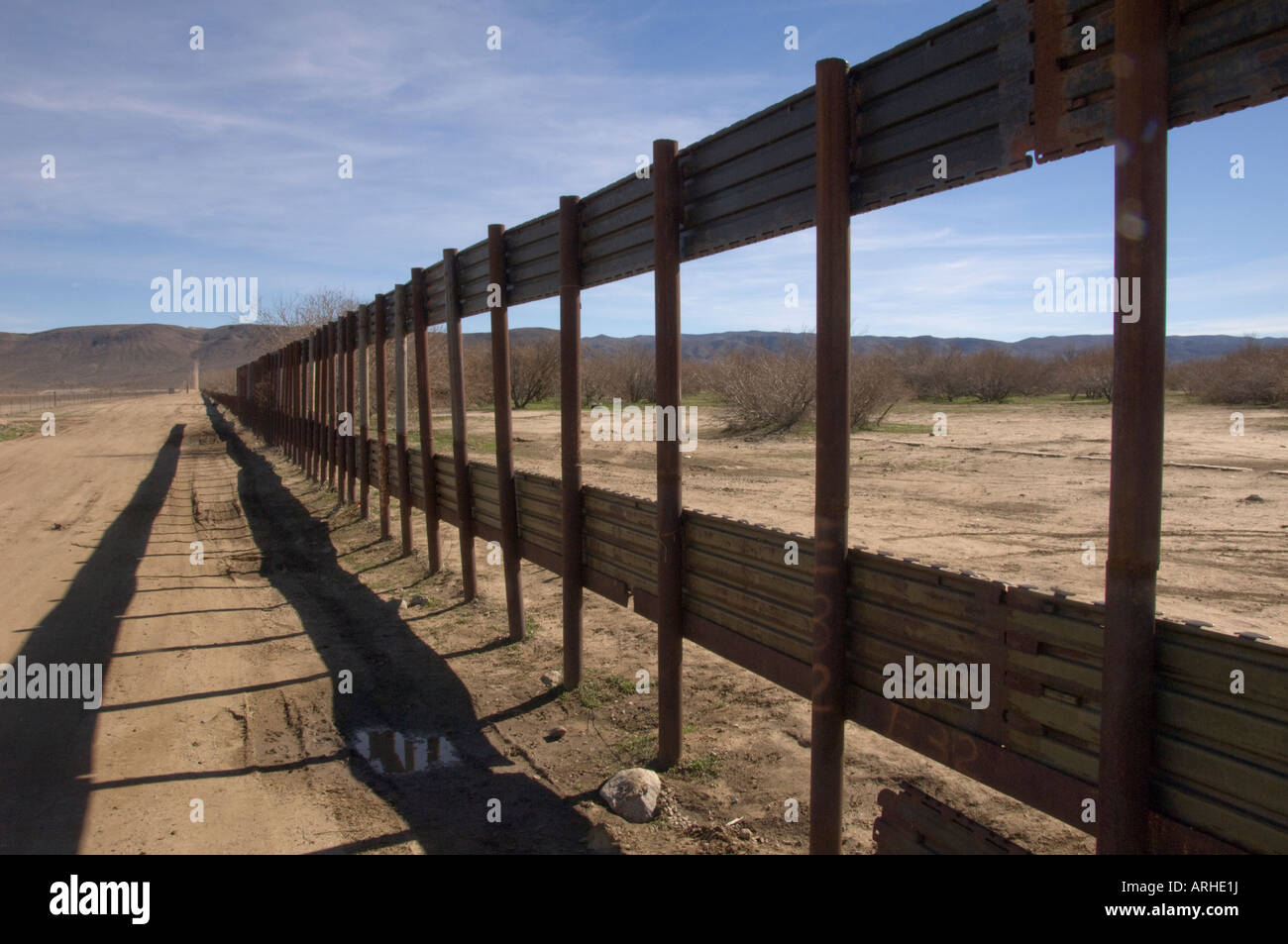
Doesn't sound like incompetence to me, it sounds more like being understaffed. And what the eff is going on with the polygraph administrators. From the OP's link:
Two out of three applicants to CBP fail its polygraph test, according to the agency. That's more than double the average rate of eight law enforcement agencies that provided data to the Associated Press under open-records requests.
It's a big reason approximately 2,000 jobs at the nation's largest law enforcement agency are empty, with the Border Patrol, a part of CBP, recently slipping below 20,000 agents for the first time since 2009. And it has raised questions of whether the lie detector tests are being properly administered.
CBP Commissioner Gil Kerlikowske said the failure rate is too high, but that is largely because the agency hasn't attracted the applicants it wants. He and other law enforcement experts contend the polygraphs are generally working as intended at the agency, which has been trying to root out bribery and other corruption.
But others, including lawmakers, union leaders and polygraph experts, contend that the use of lie detectors has gone awry and that many applicants are being subjected to unusually long and hostile interrogations, which some say can make people look deceptive even when they are telling the truth.
.
.
.
In December, the Homeland Security Department's inspector general said it was reviewing whether CBP's polygraph tests are effective in hiring. The hiring difficulties have become so acute that the Border Patrol recently took the unusual step of asking Congress to use money earmarked for 300 jobs for other purposes. That raises doubts about President-elect Donald Trump's pledge to add 5,000 agents.
Taking a polygraph test became a hiring requirement at CBP in 2012 after a huge hiring surge was followed by a similar surge in agents getting arrested for misconduct.
James Tomsheck said that when he was CBP's chief of internal affairs from 2006 to 2014, about 30 applicants admitted during the lie detector test that they were sent by drug cartels; one said he had killed his infant son.
One applicant revealed that his brother-in-law wanted him to smuggle cocaine on the job, and another said he used marijuana 9,000 times, including the night before his test, according to the Government Accountability Office.
Interviews with six of the applicants who failed to clear the polygraph test fit a pattern: The examiner abruptly changes tone, leveling accusations of lying or holding something back. The job-seeker denies it and the questioning goes in circles for hours. Some are invited for a second visit, which ends no differently.
It's good that they aren't hiring the wrong kind of people, but it also sounds like some very good people are turned away.