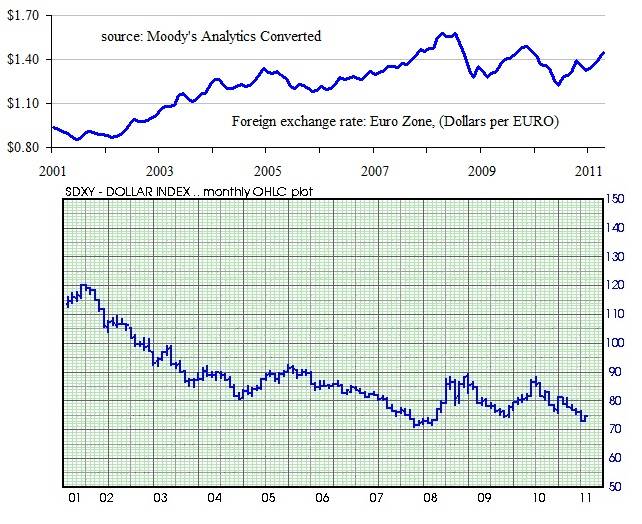
Geithner, speaking to a gathering of mutual fund advisors in Washington, D.C., on Wednesday, explained that if America wants to remain the worlds most attractive market, government must solve its fiscal problems. Ultimately, what matters most is our capacity to earn the confidence of the world that this is a good place to invest your resources, that the balance of safety, liquidity, and return will be higher here than in many of the alternative places you can put your money, said Geithner. And that requires, again, and particularly because of the damage to confidence caused by this crisis, that we work very hard to do a better job of earning that confidence rebuilding where we need to, he said. And that is about growth fundamentals, its about the basic integrity and strength of your financial system, and its about fundamentally getting out of these fiscal problems.
Government, Geithner said, would have to resolve its fiscal issues as well if global markets were to maintain their confidence in the dollar. If we do, as we have always done in the past, if were able to get this political system in Washington to do a better job of delivering policies in those areas, then well be able to continue to earn that confidence that you see reflected in U.S. financial markets today, he said. Geithner also threw cold water on the idea that other large world economies, such as China and Russia, might be able to move away from the dollar as the worlds reserve currency. Both countries have expressed skepticism that the dollar can continue to serve that role, suggesting that maybe other countries ought to consider an alternative. Geithner said that would not be happening anytime soon because none of the countries suggesting alternatives have the type of free and open markets found in America.
I dont think theres any realistic prospect of really dramatic or substantial change in the global monetary system in the next decade or two, Geithner said. I think that over the longer term as these economies get stronger, if they really open up their financial systems, if their currencies are really flexible, if they dismantle controls on capital movement, if they integrate more fully, then its possible over a longer period of time youd see a more significant shift, he said. But not until you see those changes happen and theyre at the very early stages lets just take China for example the very early stage of letting their currency reflect market forces of letting people use their currency, said Geithner. So I dont think thats going to come very rapidly.
Source