Snow some evidence not just Bullshit US propaganda like US officials say.
Bit warm over there for "snow", but if one clicks a blue line they can see the URL.
Iran’s Hormuz Card: Mine Warfare and the Timeline of Control
A strategic analysis of Iran’s capacity to disrupt the Strait of Hormuz through mine warfare, the timeline of maritime control, and the military and global energy implications.

defensedomain.com
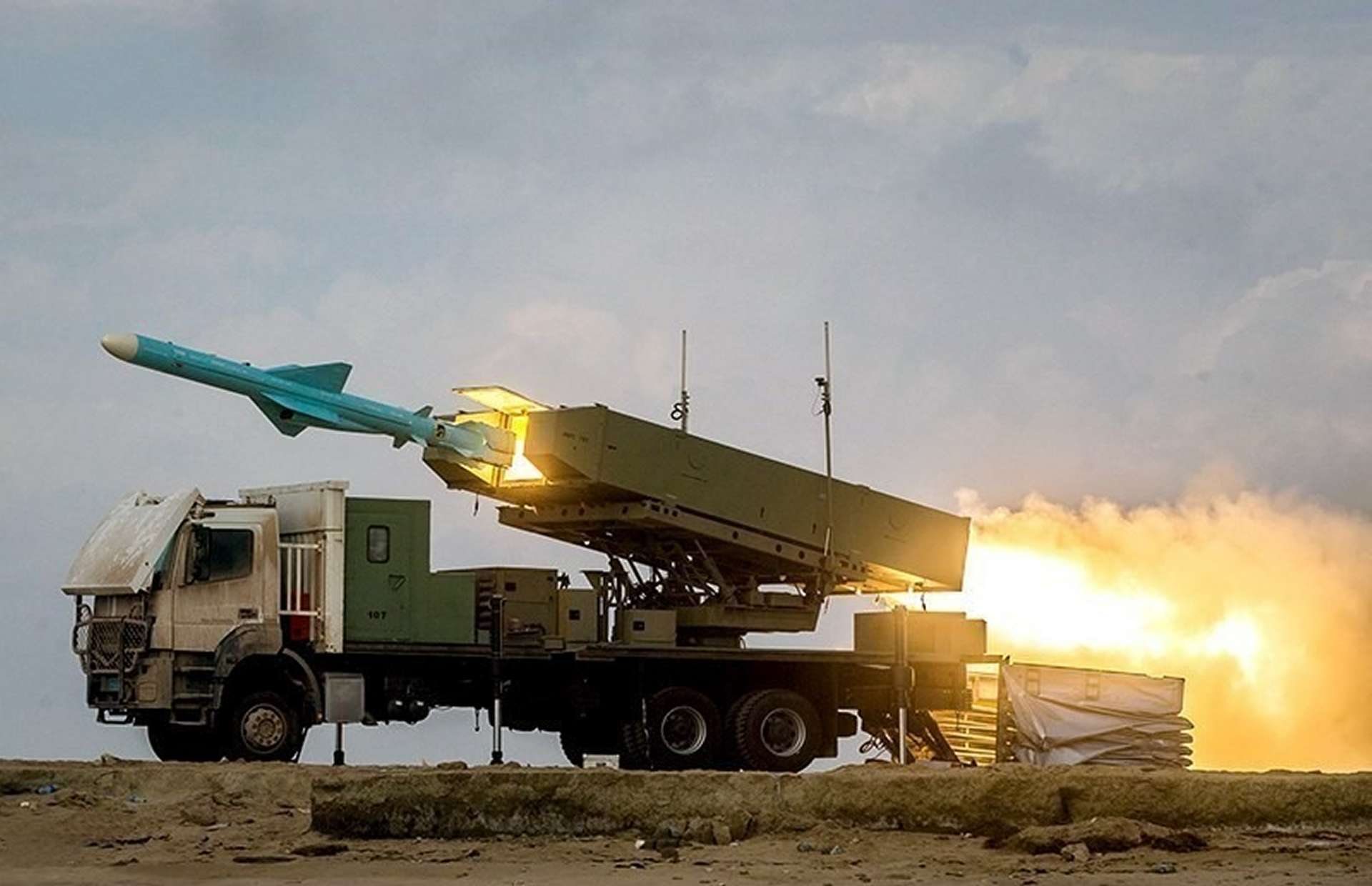
Iran Builds Layered Missile and Mine Shield Against U.S. Carriers in Strait of Hormuz
3 Mar, 2026
Analysis of Iran’s naval mines, anti-ship missiles, and air defenses targeting U.S. forces in the Strait of Hormuz.

www.armyrecognition.com
Iran's 5,000 Mines Threaten Strait of Hormuz Oil Traffic
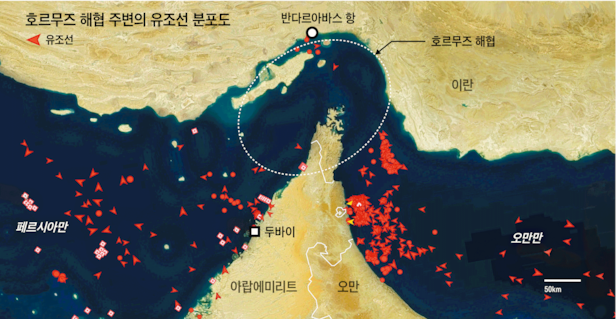
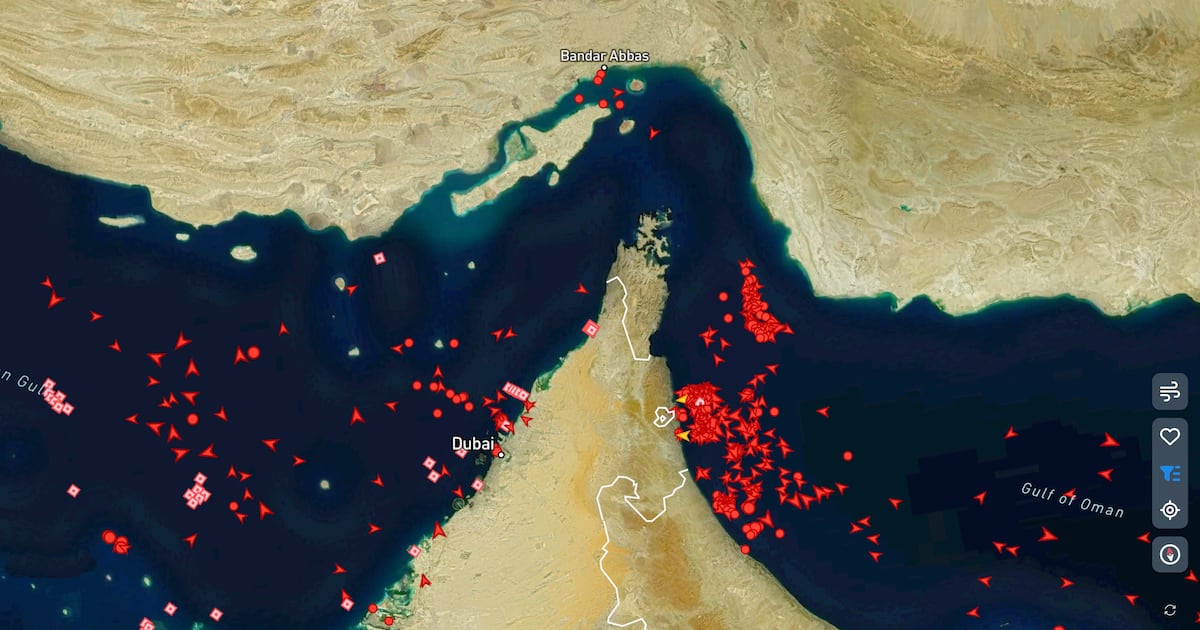
Iran warns that any vessel attempting to pass through the Strait of Hormuz will be burned by the Revolutionary Guard and navy. Ships' positions shown on the ship tracking site VesselFinder on the 2nd reveal almost no vessels within the Strait of Hormuz, while tankers unable to enter the strait cluster densely at the entrance. /VesselFinder
Irans 5,000 Mines Threaten Strait of Hormuz Oil Traffic Naval mines, missile strikes, and GPS jamming could disrupt global oil shipments, risking price surges and navigational chaos

www.chosun.com
US intelligence reports indicate that Iran has started deploying a small number of naval mines in the Strait of Hormuz, a crucial passageway for global oil transportation, Middle East, Times Now

www.timesnownews.com
Sorry, NYT, will have to pay to see.
Five Things to Know About Iranian Minelaying
This last one has a few key points to consider. Excerpts;
...
How does a country with “no navy” effectively threaten global shipping lanes?
The answer says less about Iran’s military strength than it does about America’s strategic blind spots: Even small numbers of cheap weapons can threaten movement, complicate planning, impose costs, project risk, and slow even the most capable military forces.
...
It would be a mistake to read Iranian minelaying as the last act of a cornered adversary.
It is a sign of preparation, not desperation — a deliberate effort to shift the terms of the conflict. Tehran is executing a classic
risk strategy, exploiting the possibility of escalation to impose global economic costs and generate political pressure on Washington to stop fighting.
...
Iranian strategy should not come as a surprise. A
declassified 2009 CIA report noted that
Iran “has adopted a strategy in which a few mines or the threat of mining would be used to deter shipping,” adding that such mining would be “just as effective as a blockade.” A
2017 Office of Naval Intelligence assessment went even further, concluding naval mines were a critical component of the IRGCN’s strategy in the Strait of Hormuz, and that Iran has specifically invested in new mines and mine delivery vessels after observing their impact during the Tanker War and Operation Desert Storm. This is a strategy Iran has planned for decades. Only now has it been put into practice.
...
Iran is estimated to possess between 2,000 to 6,000 naval mines, including rudimentary contact mines of the type Tehran deployed during the Tanker War in the 1980s as well as more sophisticated bottom and influence mines that detonate
in response to acoustic, magnetic, or pressure signatures and are significantly harder to detect and clear. But the number of mines matters far less than how they are employed.
The IRGCN has built its mine warfare capability around speed, redundancy, and concealment. Its primary platforms include a mix of small vessels and submersibles
concealed within a network of tunnels and caves along its southern coast. The United States reportedly
destroyed 16 of these boats in the first few hours after reports of mining surfaced, but the IRGCN still has
hundreds — possibly even
thousands — of such attack boats. ...
...
Naval mines do not operate in isolation.
The IRGCN has spent decades developing a layered set of asymmetric capabilities — mines, missiles, drones, fast attack boats, small submersibles, and uncrewed surface vessels — designed to work together. Each of these assets poses a challenge on its own, but combined, they form what U.S. officials have reportedly called a
“Death Valley” — a gauntlet of air and naval threats that any mine clearance operation would have to survive before clearing a single mine.
...
4. The U.S. Navy Is Less Prepared Than It Should Be
The U.S. Navy has long deprioritized the mine countermeasure mission. It is now paying for that choice.
Just last year, the United States withdrew its last dedicated mine countermeasure ship from the Gulf, leaving only four such vessels in the U.S. inventory — all forward deployed in Japan. The Navy’s new mine-clearance ship relies on the Littoral Combat Ship (LCS) equipped with a mine countermeasures (MCM) mission package. But decades of delays, technical problems, and cost overruns mean that only three ships have ever been outfitted and deployed with that package, and the system has never been tested in combat. Even then, the capability remains limited: Its
aerial component, the MH-60S Seahawk helicopter, can only detect surface or near-surface mines in
shallow waters no greater than 40 feet. Moreover, operating these helicopters without air superiority would be extraordinarily risky, as they would be highly vulnerable to Iranian shore-based anti-aircraft artillery and short- to medium-range surface-to-air missiles.
The most promising
new system — a semi-autonomous, uncrewed surface or undersea vehicle — is still in
testing, with low-rate initial production not expected until 2030. As a result, the United States finds itself in a conflict that demands a capability the navy never prioritized, and that is therefore consistently underfunded and repeatedly delayed.
...
5. Time Is the Weapon, and Iran Knows It
In a recent interview, former CENTCOM Commander Joseph Votel
stated, “I think the worst case now would be if we’ve found positive evidence of the Strait being mined… That would really extend out the time [for the opening of the Strait].”
As pointed out by General Votel, naval mines are not just physical obstacles. They are used to buy time — and time is what Iran needs most. The longer the strait remains closed, the louder the calls for a ceasefire will become, from American consumers absorbing
rising energy costs to governments grappling with the economic fallout from sustained energy price shocks. Iran is counting on that pressure to compel Washington to stop fighting.
....
There are only two reliable sources for information on the mining of the Strait.
One is Iran ...
The other is the USA.
Them's your choices.
Deal with it.