I started watching it, with the intent of either proving or disproving the video. The first scene says that South Korea immediately clamped down, and took control of the virus. Soooo, I wanted to see if this was true.
Coronavirus per 100k people.
United States - 31,250
South Korea - 67,432
Comprehensive overview of the coronavirus by country, providing various statistics including confirmed cases, deaths, and other relevant data, offering insights into the global impact of the COVID-19 pandemic around the world.

worldpopulationreview.com
Not really interested in the rest of the propaganda.
Not interested in the rest of the propaganda?
We are talking about the end results and that is not propaganda!
and by the way, the amount of infected people is not an excuse (as your post suggests). South Korea is close to China and there are a lot more people traveling to and from Korea and China that between the U.S. and China, meaning that the infection rate by nature would be higher. What I am talking about is how the infected was THEN treated and managed and as such. who had the most deaths (percentage-wise) and who was able to reopen the country sooner.
This is the facts that you are not looking at:
The United States had a significantly higher number of COVID-19 deaths
per capita compared to South Korea throughout the pandemic.
Based on data through early 2023:
- United States: Experienced one of the highest mortality rates among peer countries, with over 1.1 million total deaths, equating to roughly 3,300 to 3,600+ deaths per million people.
- South Korea: Maintained a much lower mortality rate, with total deaths per million hovering around 660 as of March 2023.
Key Takeaways:
- Mortality Rate Difference: Studies indicated the U.S. mortality rate was approximately five times higher than South Korea's.
- Excess Deaths: The U.S. also experienced a higher rate of excess deaths per 100,000 people compared to most other countries, including South Korea.
- Factors: South Korea's lower death rate is often attributed to rapid "test, trace, and treat" strategies, high public compliance with masking, and a robust public health response.
Which is exactly where Trump failed!
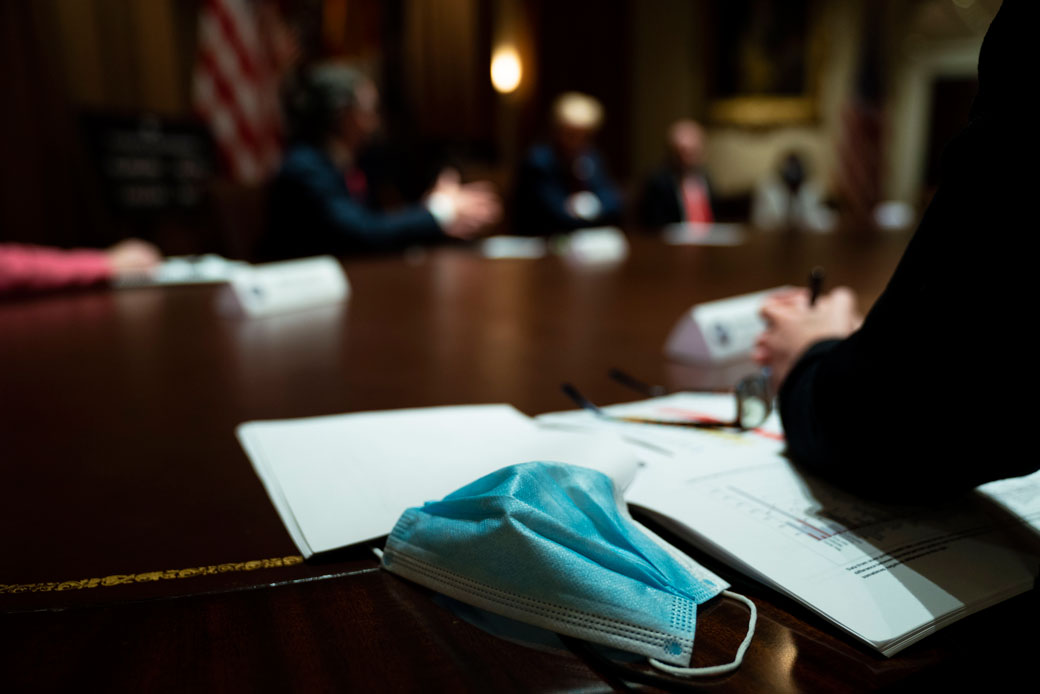
South Korea effectively flattened the surge of COVID-19 spread without shutting down most public facilities and offices. Mask wearing even prevented the spread of the virus on the subway, which is one of the main forms of public transportation in major cities. Despite subways becoming packed with people during rush hour, wearing masks prevented people from contracting the virus. South Korea set an exemplary model of public compliance to government direction leading to a desirable outcome.
US Government’s primary action on mask wearing was different from that of South Korea. Mask wearing was discouraged in the United States at the beginning of the pandemic.
President Trump’s leadership also played a key role in the public’s misconception of mask wearing since President Trump raised a question on the usefulness of mask wearing. In an interview with Fox News host Chris Wallace on 19 July 2020, Trump stated, “I don’t agree with the statement that if everybody wears a mask, everything disappears (
Victor et al., 2020).” Given the impact of a presidential statement on the public, Trump’s statement led to public suspicion about the value of mask wearing, which considerably undermined the authority of health officials.

itep.org