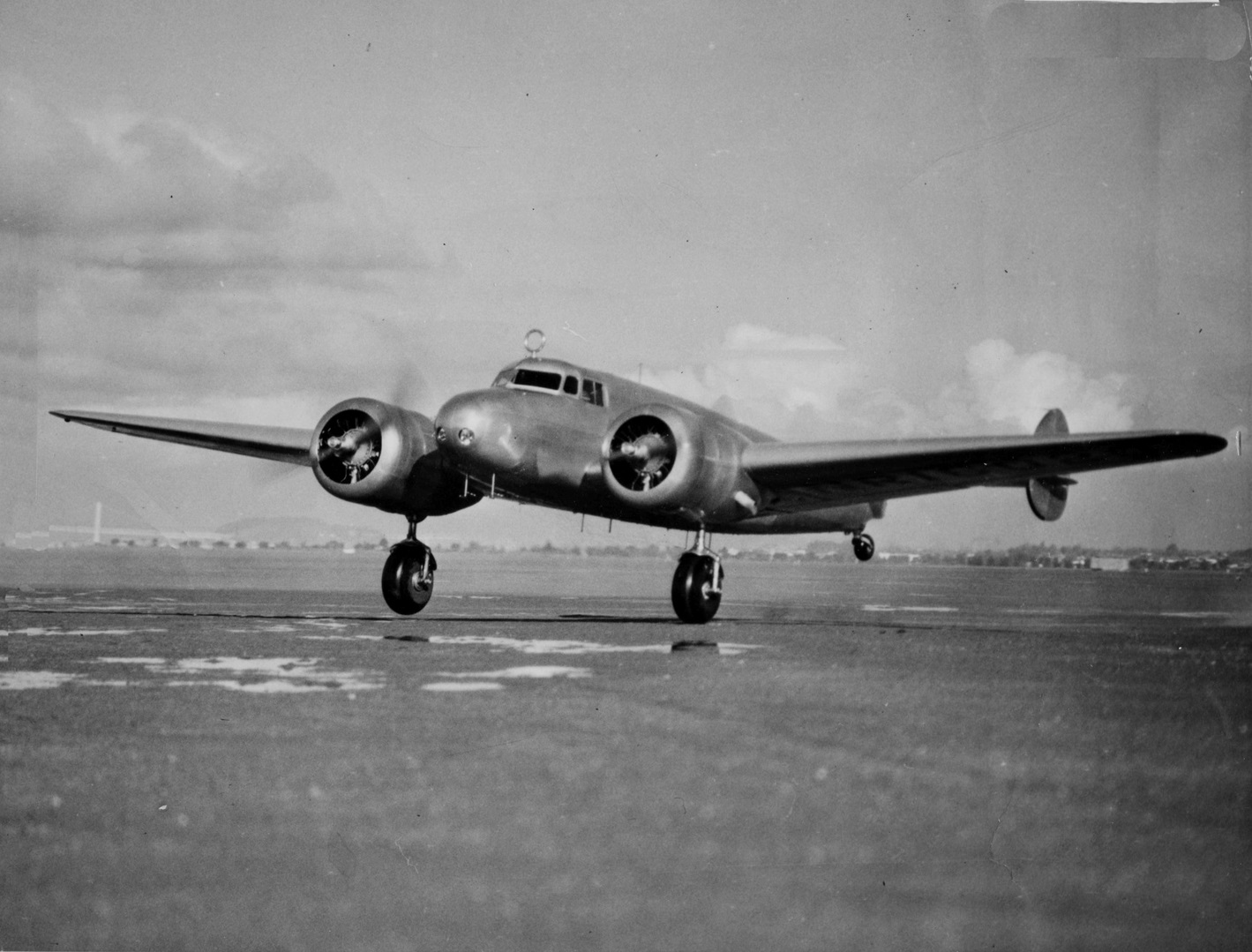
wow a thread about Amelia Earhart.....her name appears in all of my big collection of books from the 1920s and 1930s...she was hot property back then....very very famous back then

Earhart only got publicity because she looked like a female Lindbergh
She was not highly respected as a pilot
Not highly respected by some Liberal men, but well respected by many other people.

FWIW, Lindbergh was not only against the US going to war with Germany, but was a big fan of the Nazi government.
 Amelia Earhart - Facts & Summary - HISTORY.com
Achievements - Amelia Earhart
Amelia Earhart - Facts & Summary - HISTORY.com
Achievements - Amelia Earhart
- January 3, 1921 – Began flying lessons with Neta Snook
- July 1921 – Bought first plane, the Kinner Airster (named “The Canary”)
- October 22, 1922 – Broke women’s altitude record when she rose to 14,000 feet
- June 17-18, 1928 – First woman to fly across the Atlantic; 20hrs 40min (Fokker F7, Friendship)
- Summer 1928 – Bought an Avro Avian, a small English plane famous because Lady Mary Heath, Britain’s foremost woman pilot, had flown it solo from Capetown, South Africa, to London
- Fall 1928 – Published book, 20 Hours 40 Minutes, toured, and lectured; became aviation editor of Cosmopolitan magazine
- August 1929 – Placed third in the First Women’s Air Derby, also known as the Powder Puff Derby; upgraded from her Avian to a Lockheed Vega
- Fall 1929 – Elected as an official for National Aeronautic Association and encouraged the Federation Aeronautique Internationale (FAI) to establish separate world altitude, speed, and endurance records for women
- June 25, 1930 – Set women’s speed record for 100 kilometers with no load and with a load of 500 kilograms
- July 5, 1930 – Set speed record for of 181.18mph over a 3K course
- September 1930 – Helped to organize and became vice president of public relations for new airline, New York, Philadelphia, and Washington Airways
- April 8, 1931 – Set woman’s autogiro altitude record with 18,415 feet (in a Pitcairn autogiro)
- May 20-21, 1932 – First woman to fly solo across the Atlantic; 14 hrs 56 min (it was also the 5th anniversary of Lindberg’s Atlantic flight; awarded National Geographic Society’s gold medal from President Herbert Hoover; Congress awarded her the Distinguished Flying Cross; wrote The Fun of It about her journey
- August 24-25, 1932 – First woman to fly solo nonstop coast to coast; set women’s nonstop transcontinental speed record, flying 2,447.8 miles in 19hrs 5min
- Fall 1932 – Elected president of the Ninety Nines, a new women’s aviation club which she helped to form
- July 7-8, 1933 – Broke her previous transcontinental speed record by making the same flight in 17hrs 7min
- January 11, 1935 – First person to solo the 2,408-mile distance across the Pacific between Honolulu and Oakland, California; also first flight where a civilian aircraft carried a two-way radio
- April l9 – 20, 1935 – First person to fly solo from Los Angeles to Mexico City; 13hrs 23min
- May 8, 1935 – First person to fly solo nonstop from Mexico City to Newark; 14hrs 19min
- March 17, 1937 – Amelia and her navigator, Fred Noonan, along with Captain Harry Manning and stunt pilot Paul Mantz, fly the first leg of the trip from Oakland, California, to Honolulu, Hawaii, in 15 hours and 47 minutes
- June 1, 1937 – Began flight around the world June 1937; first person to fly from the Red Sea to India
Lindbergh to Congress: Negotiate with Hitler - Jan 23, 1941 - HISTORY.com
On this day, Charles A. Lindbergh, a national hero since his nonstop solo flight across the Atlantic, testifies before the House Foreign Affairs Committee on the Lend-Lease policy-and suggests that the United States negotiate a neutrality pact with Hitler.....
...
During the mid-1930s, Lindbergh became familiar with German advances in aviation and warned his U.S. counterparts of Germany’s growing air superiority. But Lindbergh also became enamored of much of the German national “revitalization” he encountered, and allowed himself to be decorated by Hitler’s government, which drew tremendous criticism back home.
Upon Lindbergh’s return to the States, he agitated for neutrality with Germany, and testified before Congress in opposition to the Lend-Lease policy, which offered cash and military aid to countries friendly to the United States in their war effort against the Axis powers. His public denunciation of “the British, the Jewish, and the Roosevelt Administration” as instigators of American intervention in the war, as well as comments that smacked of anti-Semitism, lost him the support of other isolationists. When, in 1941, President Roosevelt denounced Lindbergh publicly, the aviator resigned from the Air Corps Reserve. He eventually contributed to the war effort, though, flying 50 combat missions over the Pacific. His participation in the war, along with his promotion to brigadier general of the Air Force Reserve in 1954 by President Dwight D. Eisenhower, a popular Pulitzer Prize-winning book, The Spirit of St. Louis,, and a movie based on his exploits all worked to redeem him in the public’s eyes.