
Sixties Fan
Diamond Member
- Mar 6, 2017
- 73,624
- 12,737
- 2,290
- Thread starter
- #1,521
Follow along with the video below to see how to install our site as a web app on your home screen.
Note: This feature may not be available in some browsers.


 elderofziyon.blogspot.com

 www.jpost.com
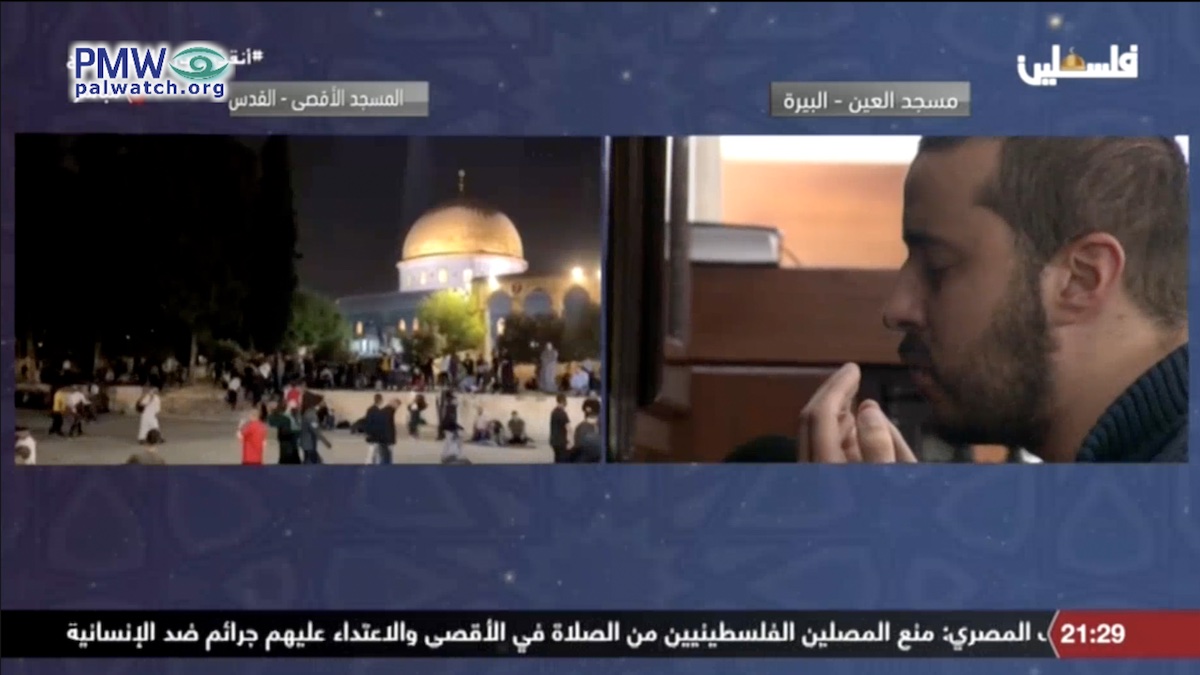
“Allah delight us with the extermination of the evil Jews”
 palwatch.org
 honestreporting.com



 elderofziyon.blogspot.com


flReviving Aya Sofia is glad tidings regarding the return of the Al-Aqsa Mosque’s freedom.
Reviving Aya Sofia is a new beginning for Muslims all over the world on the way out from dark ages.
Reviving Aya Sofia does not only represent the return of hope for Muslims, but for all the wronged, oppressed, down-trodden, and exploited.
Reviving Aya Sofia is a greeting from the bottom of our hearts to all the cities that represent our civilization, starting with Bukhara, all the way to Andalusia.
Reopening the Aya Sofia – the will of Mehmed Fatih (Mehmed “the Conqueror”) – as a mosque, 70 years after the return of the call to prayer is a revival (resurrection) that was fulfilled belatedly.
This scene is the best answer to the disgusting attacks that target all our symbolic values all over the Islamic world.
Through all the steps that Turkey has taken lately, it affirms that it is active, not passive, in this time and place.
Allah willing, we will continue on this blessed path, without stopping, tirelessly and indefatigably, with all our resolve, sacrifice, and persistence, until we reach our goal.
 elderofziyon.blogspot.com
 www.israelnationalnews.com

70-years-ago??? WOW, systemic problem.


 www.algemeiner.com

 elderofziyon.blogspot.com
 elderofziyon.blogspot.com


