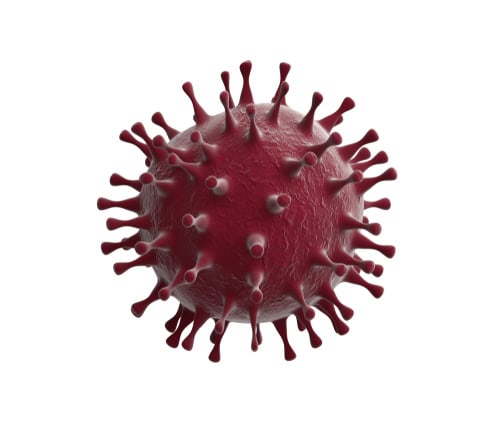
The answers to all your questions are there at your fingertips to learn. You just don't like what they say. Being practically the first coronavirus we have ever had to fight our immune systems are totally unfamiliar with them. The other vaccines fight diseases that have been around since prehistory. We are the descendants of people who managed to live through continual pandemics of the diseases we finally developed vaccines for. We have strategies to fight the primordial plagues baked into our DNA. The traditional vaccines simply turn on defenses we already have. This is not possible with coronavirus. Our immune system has to be taught to recognize an infection no human has ever faced. Not everyone has an immune response sufficient to provide perfect immunity. Maybe in the future we may have that. At the moment we have a vaccine that slows community spread and significantly reduces fatality. That's the best weapon we have at this point. I hope I have answered your question, not that I have any faith you ever wanted to really know the answers.
Totally wrong.
Coronaviruses are the most common kind, and many of the common cold viruses are coronaviruses.
We just were not good at identifying viruses until recently.
Immunity to all coronaviruses is trivial.
That is easily proven by the fact you easily defeat the covid virus in your body and you quickly get immunity easily from recovery.
The problem with covid-19 is not that it is a coronavirus, but that it hides out in airways where it is hard for the immune system to detect, so when it does detect it, sometimes if over reacts and accidentally causes death of the person the immune system was trying to save.
{...
Coronaviruses
Thousands of coronaviruses have been identified to date. Most have been found in animals, including many species in bats. There are at least 7 coronavirus species known to infect humans. Two, namely Human Coronavirus 229E (HCoV-229E) Human Coronavirus OC43 ( HCoV-OC43), were identified in the 1960s and between them they are thought to account for 25% of all common colds. Subsequently, the use of more sensitive techniques, which detect the viral genome, has led to the identification of two more species. These are called HCoV-NL63 and HCoV-HKU1, reflecting the fact that they were first found in patient samples in the Netherlands and Hong Kong respectively. They are associated with occasional outbreaks of serious respiratory infection, particularly in young children, the elderly and immunocompromised, but only small numbers of cases each time1.
In the 21st century, three new coronaviruses associated with widespread transmission have emerged. Severe acute respiratory syndrome coronavirus (SARS-CoV) was first reported from China in late 2002. Then in 2012 a different epidemic virus, Middle Eastern respiratory syndrome coronavirus (MERS-CoV) was identified in Saudi Arabia. The most recent addition to the list has been named severe acute respiratory syndrome coronavirus 2 (SARS-CoV-2) since its sequence shows that it is very closely related to the 2002 SARS virus. The disease it causes is to be called COVID-19 ( coronavirus identified in 2019)2.
...}
The virology, genomics, epidemiology and medical response – Chief Virology Examiner at the Institute of Biomedical Science, Dr Sarah Pitt, sums up current thinking on coronaviruses and compares the outbreak with influenza

www.labnews.co.uk