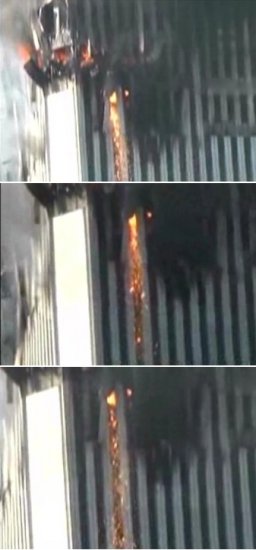
The clearest discrepancy is the deformation of the external structure in the model, which does not occur in the observed collapse. Mr. Chandler identifies a second glaring discrepancy, saying:
One fact we do know about NISTs model is it does not allow for free fall. The best they could do is 5.4 seconds for the building to crumple down through 18 floors. Crumpling absorbs energy, and that makes free fall impossible. Theres nothing in the models we have been shown that even resemble a three-stage collapse with a free fall component. After all, as Shyam Sunder put it himself, free fall happens only when there are no structural components below the falling section of the building. Any natural scenario is going to involve a progression of failures and these dont happen instantaneously.
Although NISTs model is false, based on its failure to reproduce the observed collapse, it cannot be falsified because NIST did not release its modeling data. Mr. Chandler explains:
NIST claims their computer model can account for the observed phenomena, so lets look at NISTs model except we cant. The software they used to do the modeling is available, but their model actually consists of all the numbers and measurements and assumptions together with any tweaks to the system they might have used to get it to come out the way they wanted. If that information were released, their results could be checked by anyone with the appropriate skills and software tools. But NIST has not released the numbers. All we have been shown are some of the selected animated outputs they were able to get their model to produce
The very fact that NIST has not released their model strongly suggests they dont want their results checked. In other words, their results are intended to be taken strictly on faith.