
JGalt
Diamond Member
- Mar 9, 2011
- 85,262
- 113,255
- 3,635
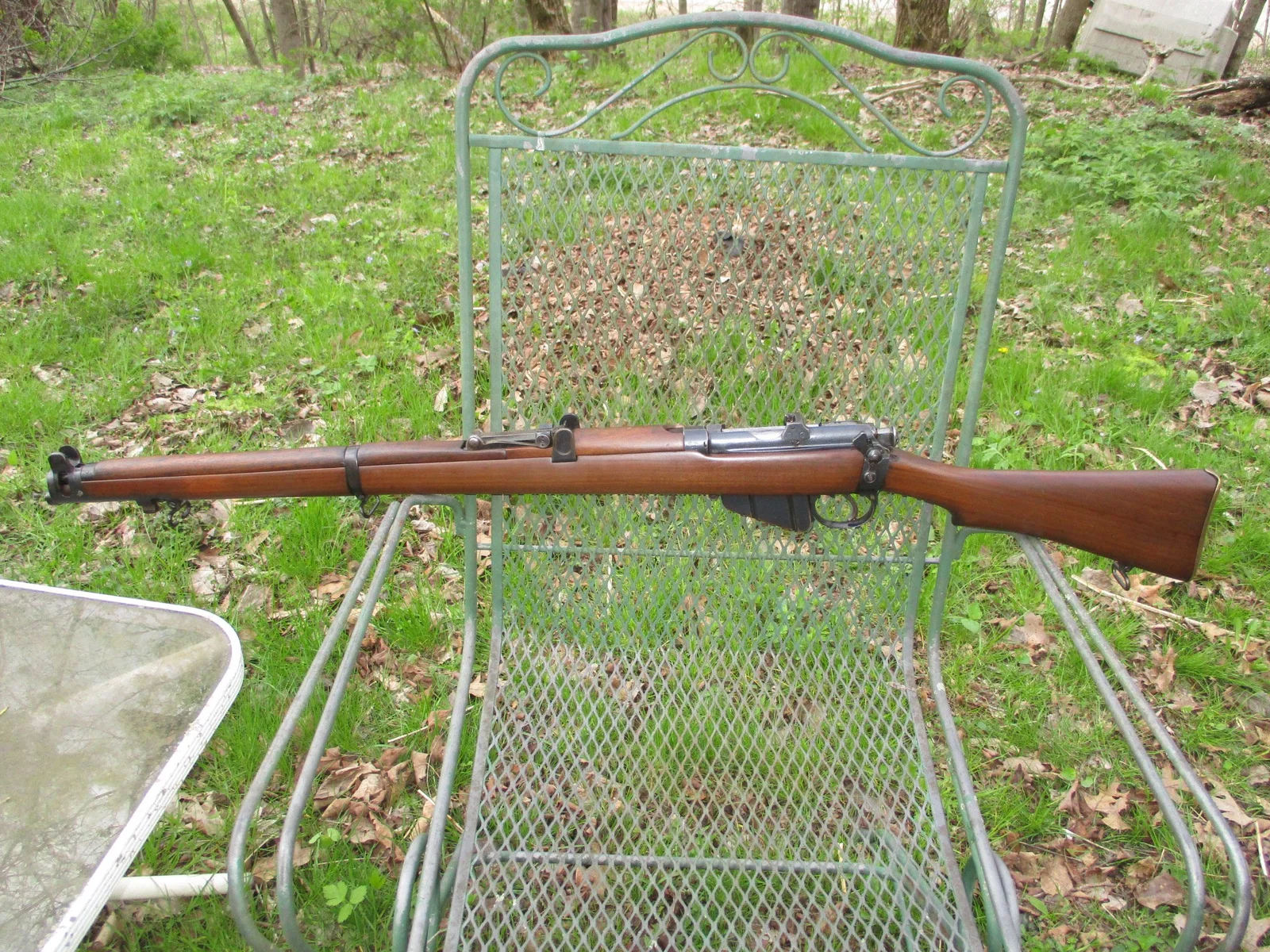
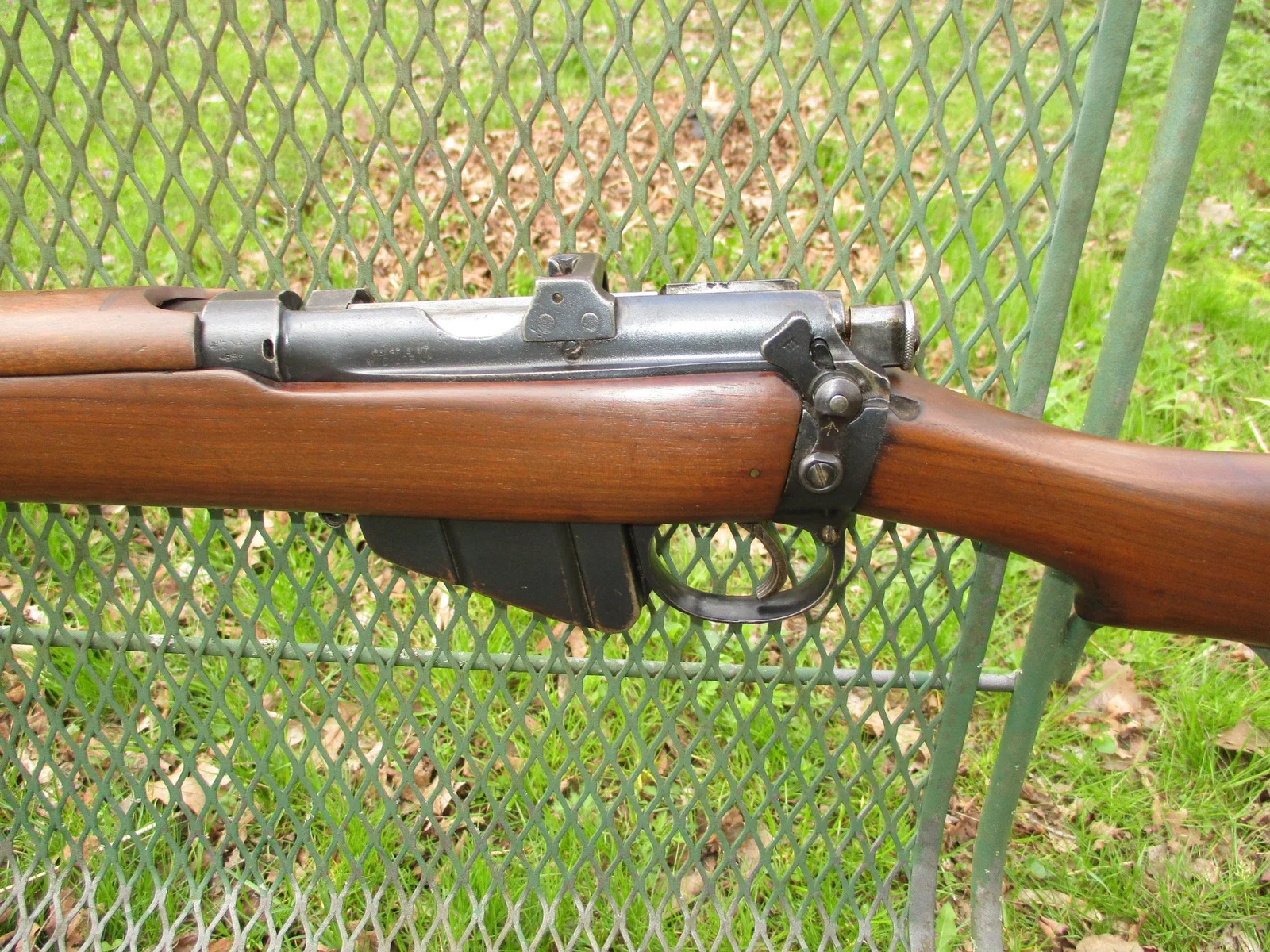
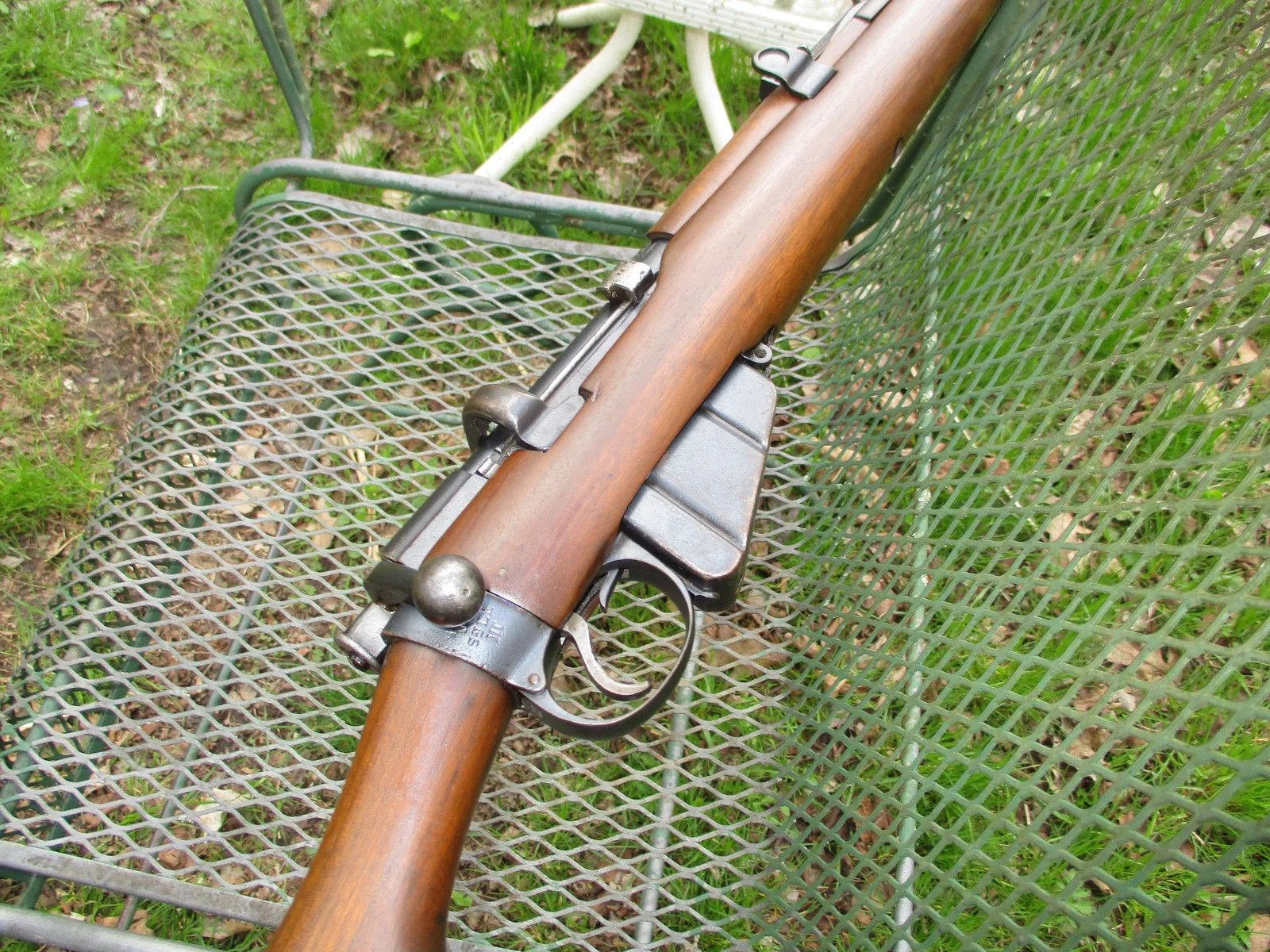
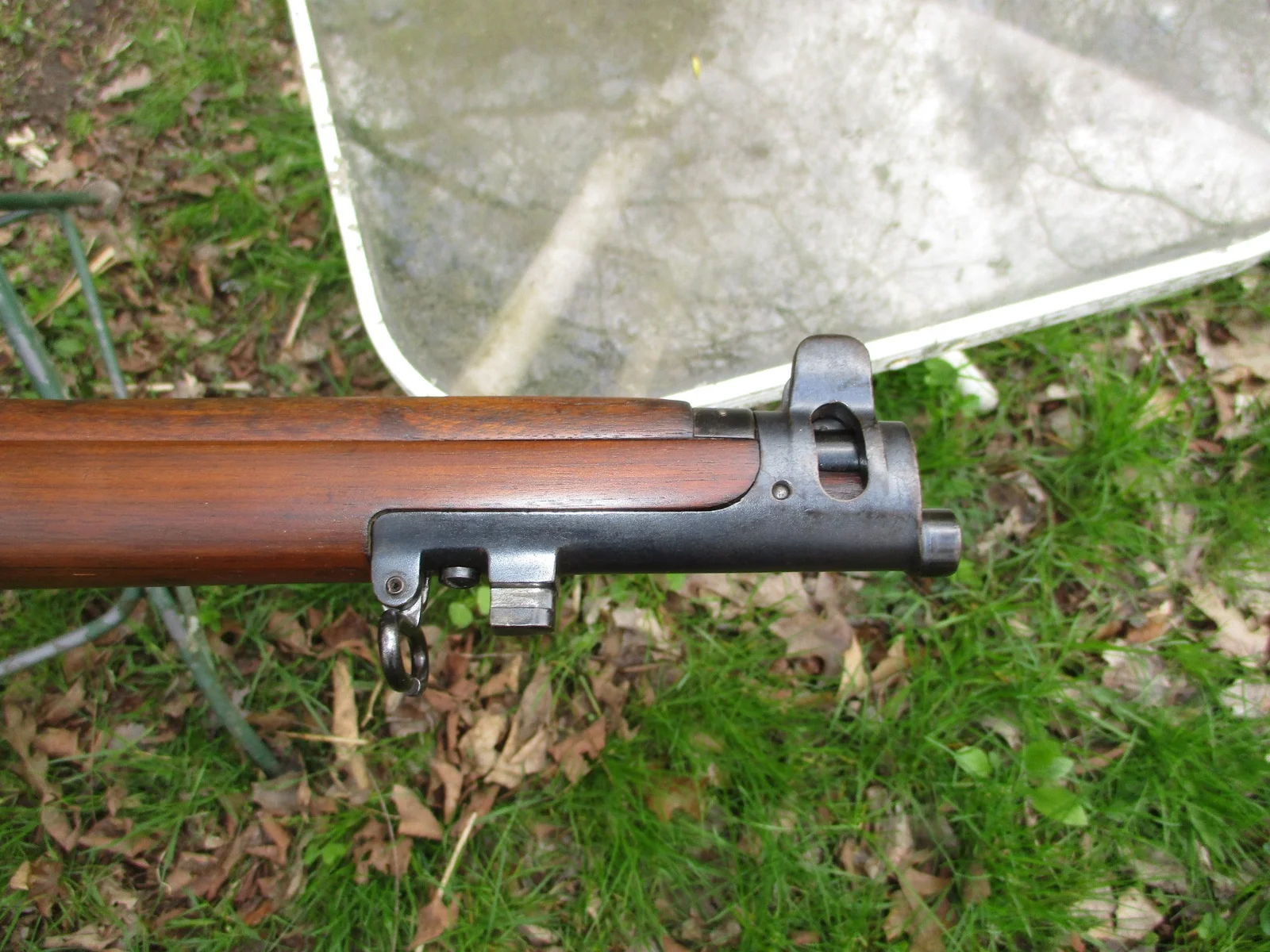
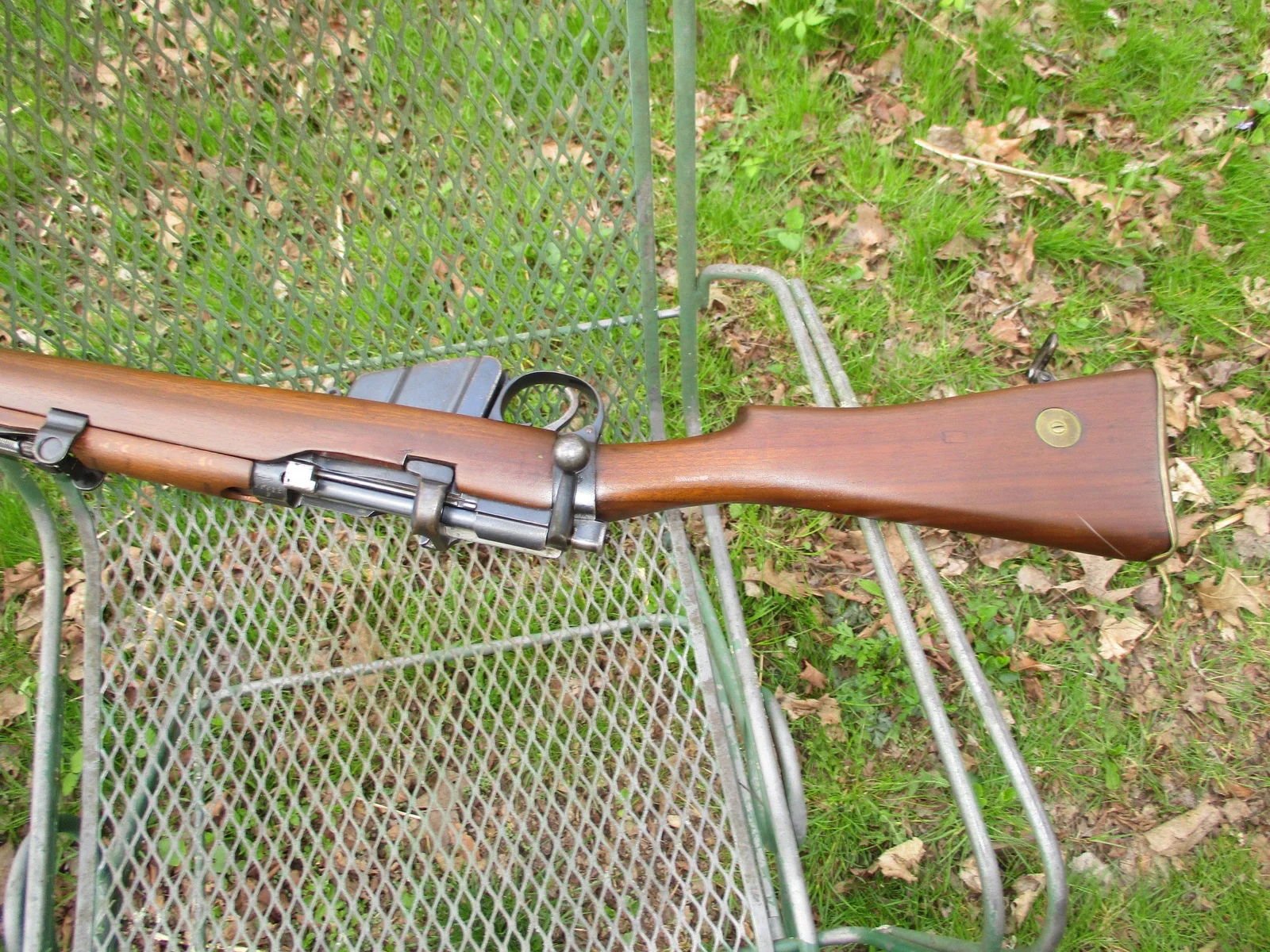
My wife and I went to a couple city-wide garage sales today and I picked up a World War 1 era Enfield SMLE (Short Magazine Lee-Enfield) No. 1 Mk III rifle. It's in fairly good condition with matching serial numbers except for the cocking handle. The stock is all intact but it appears to have been refinished in the original hand-rubbed oil.
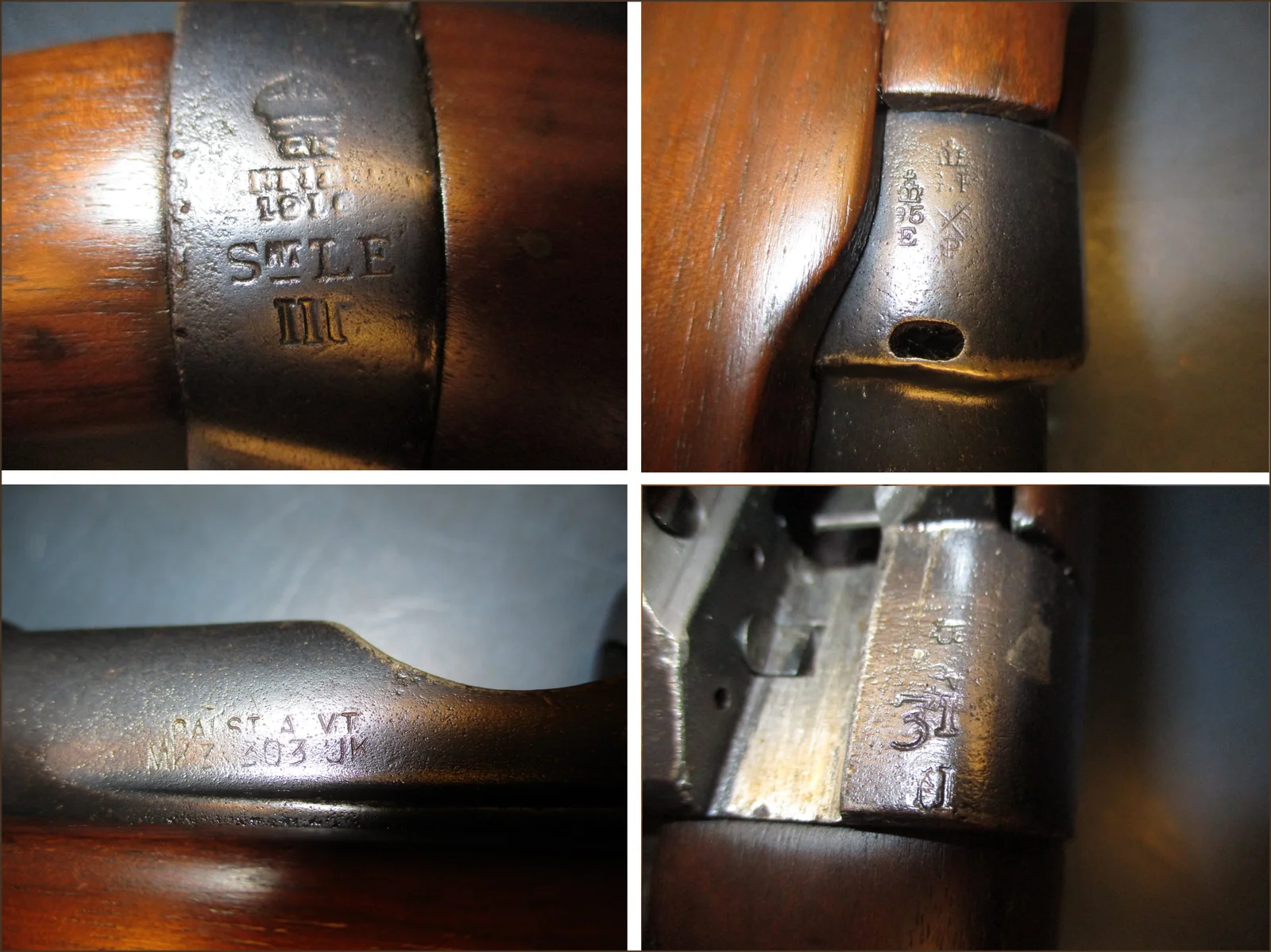
I disassembled it, brushed the dust out of the parts, and gave it a thin coat of CLP. The rifling and throat are in good condition, and just needed and bore swab with oil and a brass brush. The rifle has a Century Arms, Vermont import mark on it, as do many European battle rifles imported during the 1960's. I ran five rounds of commercial ammo through it and it functioned just fine. The only problem is that out of all the handloads I have in British 303, they were loaded for another rifle that has a worn throat. Therefore I had to load the rounds a little long to place the bullet nearly touching the rifling. I'll work up some handloads for this specific rifle at some later point, since it's in better condition.
I'm not really sure when this was made, or the manufacturer, and the last number of the date on the left side is worn. It appears to be "191-something." AI says that five-digit serial number beginning and ending with a "2" and no letter prefix would have likely been manufactured by BSA in 1906 or 1907 but like I said earlier, the first three numbers of the date stamp are "191." Lithgow (Australia) also used prefix-less 5-digit numbers and their first 30,000 rifles were primarily produced between 1913 and 1914.
Incidentally, I gave $130 for it. What a deal.
I disassembled it, brushed the dust out of the parts, and gave it a thin coat of CLP. The rifling and throat are in good condition, and just needed and bore swab with oil and a brass brush. The rifle has a Century Arms, Vermont import mark on it, as do many European battle rifles imported during the 1960's. I ran five rounds of commercial ammo through it and it functioned just fine. The only problem is that out of all the handloads I have in British 303, they were loaded for another rifle that has a worn throat. Therefore I had to load the rounds a little long to place the bullet nearly touching the rifling. I'll work up some handloads for this specific rifle at some later point, since it's in better condition.
I'm not really sure when this was made, or the manufacturer, and the last number of the date on the left side is worn. It appears to be "191-something." AI says that five-digit serial number beginning and ending with a "2" and no letter prefix would have likely been manufactured by BSA in 1906 or 1907 but like I said earlier, the first three numbers of the date stamp are "191." Lithgow (Australia) also used prefix-less 5-digit numbers and their first 30,000 rifles were primarily produced between 1913 and 1914.
Incidentally, I gave $130 for it. What a deal.


