Navigation
Install the app
How to install the app on iOS
Follow along with the video below to see how to install our site as a web app on your home screen.
Note: This feature may not be available in some browsers.
More options
Style variation
You are using an out of date browser. It may not display this or other websites correctly.
You should upgrade or use an alternative browser.
You should upgrade or use an alternative browser.
WITHOUT GOOGLING Name a famous historic battle.
- Thread starter Litwin
- Start date


DonGlock26
Diamond Member
- Sep 15, 2024
- 20,083
- 29,307
- 2,288
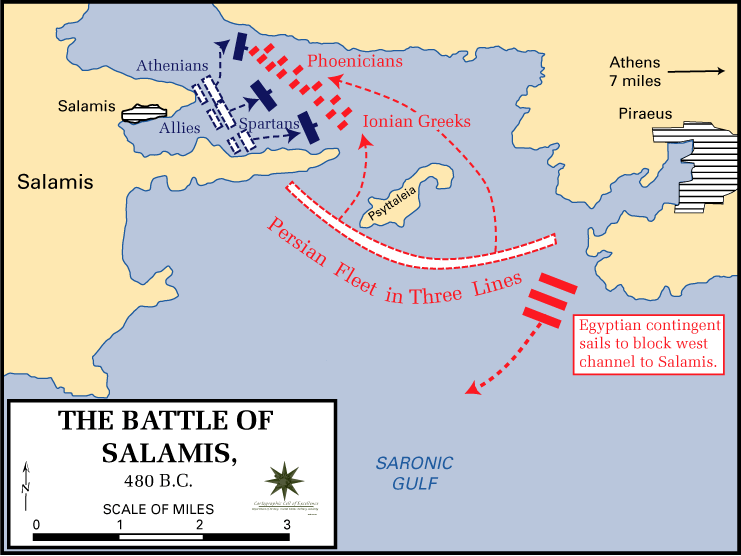
Battle of Salamis
 en.wikipedia.org
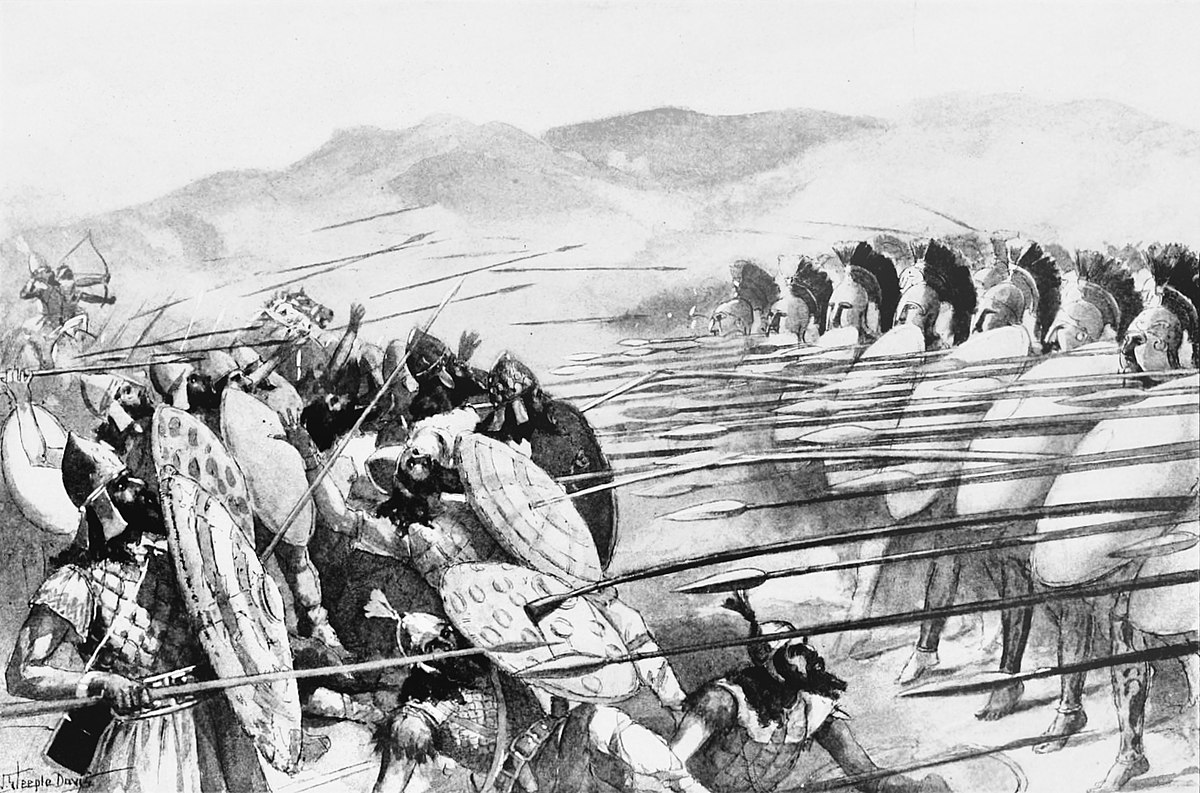
Battle of Plataea
 en.wikipedia.org
Battle of Salamis - Wikipedia
Battle of Plataea
Battle of Plataea - Wikipedia

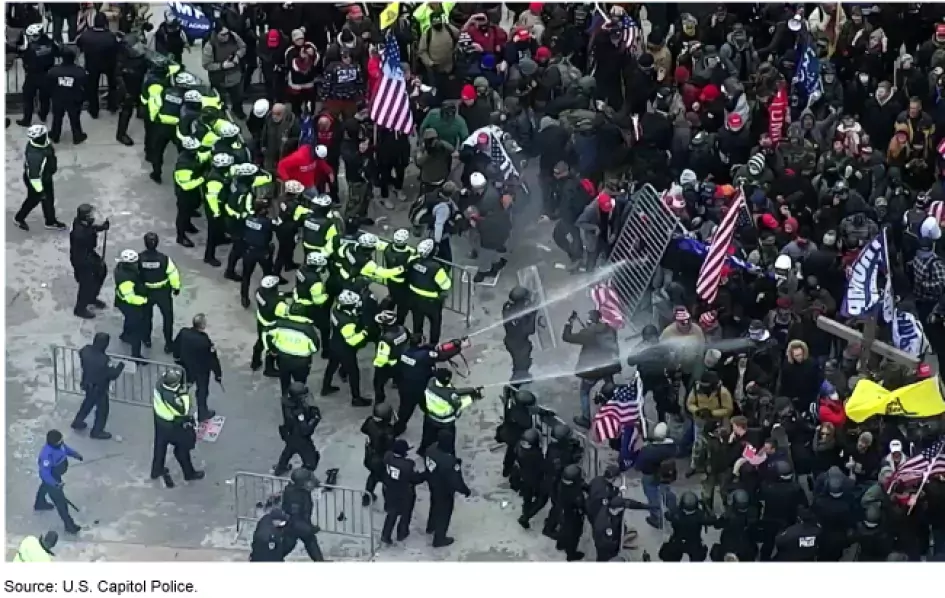
The Defense of the Capitol
interesting, but always remember Bolshevik Stalin has stared WW2 (NOT Hitler or Churchill)
Since the victors write the history, Germany is routinely blamed for "starting" WW 2 even though many historians regard WW 1 and WW 2 one war with a cooling off period.
At any rate, the treaty of Versailles was so criminally unjust that it guaranteed continued hostilities so there's plenty of blame to go around.
Finally, any serious study of the era shows that Bolshevism was destined to expand on a global scale regardless of what other countries choose to do.
Thanks,

Litwin
Diamond Member
- Thread starter
- #45
"The Soviet Union began World War II with a non-aggression pact with Nazi Germany, the Molotov–Ribbentrop Pact, signed on 23 August 1939. About the book: https://www.amazon.com/gp/product/159... In addition to stipulations of non-aggression, the treaty included a secret protocol that divided territories of Romania, Poland, Lithuania, Latvia, Estonia and Finland into German and Soviet "spheres of influence", anticipating potential "territorial and political rearrangements" of these countries. Stalin and Hitler later traded proposals for a Soviet entry into the Axis Pact. Germany invaded Poland on 1 September 1939, and Joseph Stalin ordered his own invasion of Poland on 17 September. Part of southeastern (Karelia) and Salla region in Finland were annexed by the Soviet Union after the Winter War. This was followed by Soviet annexations of Estonia, Latvia, Lithuania, and parts of Romania (Bessarabia, Northern Bukovina and the Hertza region). It was only in 1989 that the Soviet Union admitted the existence of the secret protocol of the Nazi-Soviet pact regarding the planned divisions of these territories. In June 1941, Hitler launched an invasion of the Soviet Union, prior to which Stalin had ignored reports of a German invasion. Stalin was confident that the total Allied war machine would eventually stop Germany,[3] and the Soviets stopped the Wehrmacht some 30 kilometers from Moscow. Over the next four years, the Soviet Union repulsed German offensives, such as at the Battle of Stalingrad and Battle of Kursk, and pressed forward to victory in large Soviet offensives such as the Vistula-Oder Offensive. Stalin began to listen to his generals more after Kursk. The bulk of Soviet fighting took place on the Eastern Front—including a continued war with Finland—but it also invaded Iran (August 1941) in cooperation with the British and late in the war attacked Japan (August 1945). Stalin met with Winston Churchill and Franklin D. Roosevelt at the Tehran Conference and began to discuss a two-front war against Germany and future of Europe after the war. Berlin finally fell in April 1945, but Stalin was never fully convinced his nemesis Adolf Hitler had committed suicide. Fending off the German invasion and pressing to victory in the East required a tremendous sacrifice by the Soviet Union, which suffered the highest military casualties in the war, losing approximately 20 million men. Stalin became personally involved with questionable tactics employed during the war, including the Katyn massacre, Order No. 270, Order No. 227 and NKVD prisoner massacres. Controversy also surrounds rapes and looting in Soviet-held territory, along with large numbers of deaths of POWs held by the Soviets, and the Soviets' abusive treatment of their own soldiers who had been held in German POW camps. Viktor Suvorov suggested that Stalin had made aggressive preparations beginning in the late 1930s and was preparing to invade Germany in the summer 1941. He believes that Hitler forestalled Stalin and the German invasion was in essence a pre-emptive strike, precisely as Hitler claimed. This theory was supported by Igor Bunich, Joachim Hoffmann, Mikhail Meltyukhov (see Stalin's Missed Chance) and Edvard Radzinsky (see Stalin: The First In-Depth Biography Based on Explosive New Documents from Russia's Secret Archives). Other historians, especially Gabriel Gorodetsky and David Glantz, reject this thesis.[54] General Fedor von Boch's diary says that the Abwehr fully expected a Soviet attack against German forces in Poland no later than 1942. In the initial hours after the German attack began, Stalin hesitated, wanting to ensure that the German attack was sanctioned by Hitler, rather than the unauthorized action of a rogue general. Accounts by Nikita Khrushchev and Anastas Mikoyan claim that, after the invasion, Stalin retreated to his dacha in despair for several days and did not participate in leadership decisions. But, some documentary evidence of orders given by Stalin contradicts these accounts, leading historians such as Roberts to speculate that Khrushchev's account is inaccurate. Stalin soon quickly made himself a Marshal of the Soviet Union, then country's highest military rank and Supreme Commander in Chief of the Soviet Armed Forces aside from being Premier and General-Secretary of the ruling Communist Party of the Soviet Union that made him the leader of the nation, as well as the People's Commissar for Defense, which is equivalent to the U.S. Secretary of War in the at that time and the U.K. Minister of Defense and formed the State Defense Committee to coordinate military operations with himself also as Chairman. He chaired the Stavka, the highest defense organization of the country."Since the victors write the history, Germany is routinely blamed for "starting" WW 2 even though many historians regard WW 1 and WW 2 one war with a cooling off period.
At any rate, the treaty of Versailles was so criminally unjust that it guaranteed continued hostilities so there's plenty of blame to go around.
Finally, any serious study of the era shows that Bolshevism was destined to expand on a global scale regardless of what other countries choose to do.
Thanks,
Yes, stalin , together with NS Germany, started World War II and massacred and killed millions of millions of people in Polish empire and other countries...


Aaaaaand the Germans started WWI as well.Since the victors write the history, Germany is routinely blamed for "starting" WW 2 even though many historians regard WW 1 and WW 2 one war with a cooling off period.
At any rate, the treaty of Versailles was so criminally unjust that it guaranteed continued hostilities so there's plenty of blame to go around.
Finally, any serious study of the era shows that Bolshevism was destined to expand on a global scale regardless of what other countries choose to do.
Thanks,
"The Soviet Union began World War II with a non-aggression pact with Nazi Germany, the Molotov–Ribbentrop Pact, signed on 23 August 1939. About the book: https://www.amazon.com/gp/product/159... In addition to stipulations of non-aggression, the treaty included a secret protocol that divided territories of Romania, Poland, Lithuania, Latvia, Estonia and Finland into German and Soviet "spheres of influence", anticipating potential "territorial and political rearrangements" of these countries. Stalin and Hitler later traded proposals for a Soviet entry into the Axis Pact. Germany invaded Poland on 1 September 1939, and Joseph Stalin ordered his own invasion of Poland on 17 September. Part of southeastern (Karelia) and Salla region in Finland were annexed by the Soviet Union after the Winter War. This was followed by Soviet annexations of Estonia, Latvia, Lithuania, and parts of Romania (Bessarabia, Northern Bukovina and the Hertza region). It was only in 1989 that the Soviet Union admitted the existence of the secret protocol of the Nazi-Soviet pact regarding the planned divisions of these territories. In June 1941, Hitler launched an invasion of the Soviet Union, prior to which Stalin had ignored reports of a German invasion. Stalin was confident that the total Allied war machine would eventually stop Germany,[3] and the Soviets stopped the Wehrmacht some 30 kilometers from Moscow. Over the next four years, the Soviet Union repulsed German offensives, such as at the Battle of Stalingrad and Battle of Kursk, and pressed forward to victory in large Soviet offensives such as the Vistula-Oder Offensive. Stalin began to listen to his generals more after Kursk. The bulk of Soviet fighting took place on the Eastern Front—including a continued war with Finland—but it also invaded Iran (August 1941) in cooperation with the British and late in the war attacked Japan (August 1945). Stalin met with Winston Churchill and Franklin D. Roosevelt at the Tehran Conference and began to discuss a two-front war against Germany and future of Europe after the war. Berlin finally fell in April 1945, but Stalin was never fully convinced his nemesis Adolf Hitler had committed suicide. Fending off the German invasion and pressing to victory in the East required a tremendous sacrifice by the Soviet Union, which suffered the highest military casualties in the war, losing approximately 20 million men. Stalin became personally involved with questionable tactics employed during the war, including the Katyn massacre, Order No. 270, Order No. 227 and NKVD prisoner massacres. Controversy also surrounds rapes and looting in Soviet-held territory, along with large numbers of deaths of POWs held by the Soviets, and the Soviets' abusive treatment of their own soldiers who had been held in German POW camps. Viktor Suvorov suggested that Stalin had made aggressive preparations beginning in the late 1930s and was preparing to invade Germany in the summer 1941. He believes that Hitler forestalled Stalin and the German invasion was in essence a pre-emptive strike, precisely as Hitler claimed. This theory was supported by Igor Bunich, Joachim Hoffmann, Mikhail Meltyukhov (see Stalin's Missed Chance) and Edvard Radzinsky (see Stalin: The First In-Depth Biography Based on Explosive New Documents from Russia's Secret Archives). Other historians, especially Gabriel Gorodetsky and David Glantz, reject this thesis.[54] General Fedor von Boch's diary says that the Abwehr fully expected a Soviet attack against German forces in Poland no later than 1942. In the initial hours after the German attack began, Stalin hesitated, wanting to ensure that the German attack was sanctioned by Hitler, rather than the unauthorized action of a rogue general. Accounts by Nikita Khrushchev and Anastas Mikoyan claim that, after the invasion, Stalin retreated to his dacha in despair for several days and did not participate in leadership decisions. But, some documentary evidence of orders given by Stalin contradicts these accounts, leading historians such as Roberts to speculate that Khrushchev's account is inaccurate. Stalin soon quickly made himself a Marshal of the Soviet Union, then country's highest military rank and Supreme Commander in Chief of the Soviet Armed Forces aside from being Premier and General-Secretary of the ruling Communist Party of the Soviet Union that made him the leader of the nation, as well as the People's Commissar for Defense, which is equivalent to the U.S. Secretary of War in the at that time and the U.K. Minister of Defense and formed the State Defense Committee to coordinate military operations with himself also as Chairman. He chaired the Stavka, the highest defense organization of the country."
Yes, stalin , together with NS Germany, started World War II and massacred and killed millions of millions of people in Polish empire and other countries...
View attachment 1141289
That's a lot of information for which I am grateful.
I think that it is a salient reality that Communism / Bolshevism is expansionist by nature and Germany's greatest fear was being plunged into anarchy by Communist / Bolshevik revolutionaries.
The Germans saw what happened to the Czar and his family and, like the rest of Europe, knew that a clash between NS Germany and Communist Russia was inevitable.
Thanks,
Aaaaaand the Germans started WWI as well.
It's difficult to think of a European tragedy for which the Germans have not been blamed.
Litwin
Diamond Member
- Thread starter
- #49
the German Communist Party (KPD), indirectly contributed to the rise of the Nazi Party. Stalin's policy of directing the KPD to prioritize attacks on the Social Democrats over the Nazis created disunity among anti-Nazi forces, preventing a united front against Hitler. This allowed the Nazis to gain power and eventually establish a dictatorshipGermany's greatest fear was being plunged into anarchy by Communist / Bolshevik revolutionaries.
Nazis and Communists tried to sabotage parliament of Democratic Weimar Germany —but their walkout backfired spectacularly...

want to know more ? See film 'Mr Jones' !!
Holodomor, the Moscow genocide against Ukraine was enabled (and hidden from the West) by Western Commies like Marxist - pervert Walter Duranty.
Holodomor, the Moscow genocide against Ukraine was enabled (and hidden from the West) by Western Commies like Marxist - pervert Walter Duranty.

They don't teach any European history in American public high schools. Like 0. and our commie& leftist radicals are keep saying that ww2 starts in 1939...
It is true that no one teaches history any longer. But that doesn't negate the fact that Germany started WWI and WWII.
Only from 1870 to 1945. Before that the Germans were fine. Heroes in fact during the Battle of Waterloo.It's difficult to think of a European tragedy for which the Germans have not been blamed.
It is true that no one teaches history any longer. But that doesn't negate the fact that Germany started WWI and WWII.
Do you really believe that?
Germany was reluctantly drawn into WW1 because it was honoring a treaty and Polish military and civilians were slaughtering ethnic Germans by the tens of thousands.
Germany appealed to the League of Nations over 20 times to stop the massacres but they did nothing.
Litwin
Diamond Member
- Thread starter
- #54
Only from 1870 to 1945. Before that the Germans were fine. Heroes in fact during the Battle of Waterloo.
have you seen this video ?That's a lot of information for which I am grateful.
I think that it is a salient reality that Communism / Bolshevism is expansionist by nature and Germany's greatest fear was being plunged into anarchy by Communist / Bolshevik revolutionaries.
The Germans saw what happened to the Czar and his family and, like the rest of Europe, knew that a clash between NS Germany and Communist Russia was inevitable.
Thanks,
ITS NOT JUST ABOUT THEM.German people
Muscovites´ mass - rapes of Belarusians , Poles, Hungarians , Baltic , Serbian, etc. girls , some of them were 7- 9 years old
Western estimates of the traceable number of rape victims range from two hundred thousand to two million.[116] Following the Winter Offensive of 1945, mass rape by Soviet males occurred in all major cities taken by the Red Army. Women were gang raped by as many as several dozen soldiers during the liberation of Poland. In some cases victims who did not hide in the basements all...
have you seen this video ?
ITS NOT JUST ABOUT THEM.German people
Muscovites´ mass - rapes of Belarusians , Poles, Hungarians , Baltic , Serbian, etc. girls , some of them were 7- 9 years old
Western estimates of the traceable number of rape victims range from two hundred thousand to two million.[116] Following the Winter Offensive of 1945, mass rape by Soviet males occurred in all major cities taken by the Red Army. Women were gang raped by as many as several dozen soldiers during the liberation of Poland. In some cases victims who did not hide in the basements all...
I've known about that since the 1970's. The Germans did it to the Russians too.
Similar threads

- Replies
- 4
- Views
- 223

- Replies
- 2
- Views
- 171


- Replies
- 17
- Views
- 556


New Topics
-

-

-
 One in four Canadians aren't confident that Canada will still be a country in 50 years
- Started by shockedcanadian
- Replies: 4
-

-

Latest Discussions
-

-
 AOC has a message for the GOP: America wants an affirmative message, not fear porn
- Latest: Toddsterpatriot
-


