The stimulus package added to inflation but was not the major cause. The reason for the stimulus package was to prevent a recession. If Biden had not done the stimulus package and the US went into a recession that same Republican committee would be roasting him for not doing more. End of the day the major reason for inflation, throughout the world, was the same; pent up demand and supply chain issues.Not true
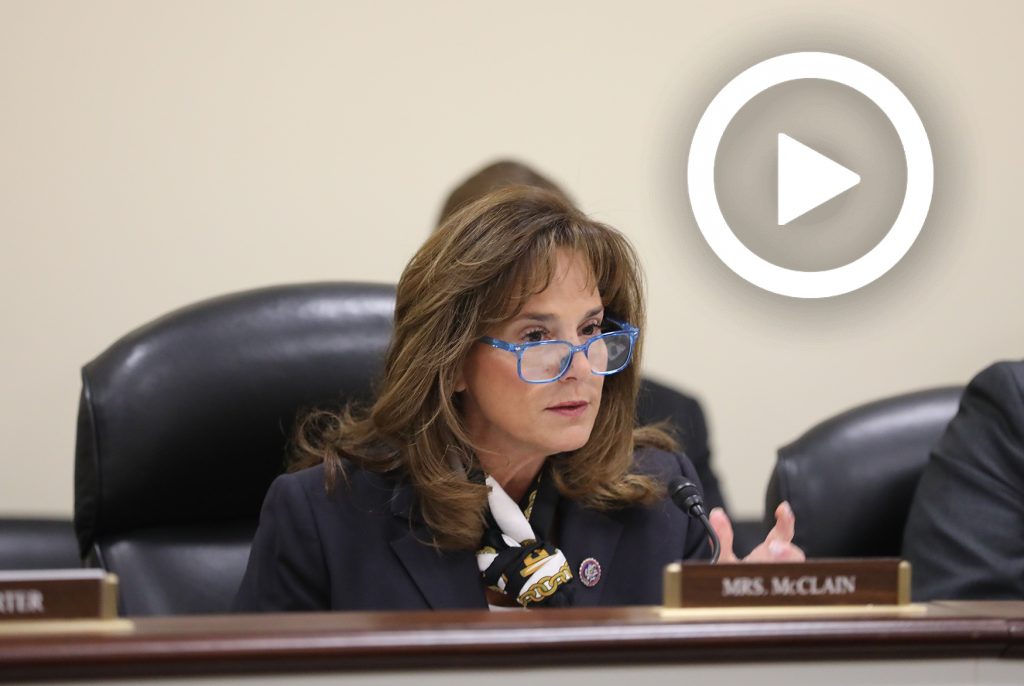
Hearing Wrap Up: Biden Admin Ignored Warnings that Trillions in Spending Would Damage the Economy and Spur Inflation - United States House Committee on Oversight and Government Reform
United States House Committee on Oversight and Government Reformoversight.house.gov
Key Takeaways:
Despite warnings from Republicans and even former President Obama’s own economic advisor Larry Summers that the American Rescue Plan would trigger inflation, the Biden Administration and Congressional Democrats rushed through trillions of dollars in spending and fueled the highest inflation in more than half a century.
- President Biden rushed through spending in the American Rescue Plan, ignoring bot
Read what the stimulus act did along with adding to inflation.
When the COVID-19 pandemic caused widespread economic disruption, with global GDP shrinking significantly in 2020, many countries implemented economic stimulus measures to mitigate the damage and foster recovery.
Here's why:
- Mitigate economic collapse: Lockdowns, business closures, and travel restrictions brought many economies to a near standstill. Stimulus packages aimed to prevent a deeper recession and protect jobs and incomes.
- Support households and businesses: Direct payments, expanded unemployment benefits, and business loans aimed to provide financial relief to those impacted by the pandemic.
- Encourage spending and investment: By injecting money into the economy, governments hoped to boost demand and encourage economic activity, according to GoCardless.
- Maintain the fabric of the economy: The initial focus was not just about boosting demand, but about preserving the essential relationships between employers and employees, producers and consumers, and lenders and borrowers, according to the IMF eLibrary.
- Facilitate recovery: As the pandemic eased, a coordinated and comprehensive fiscal and monetary stimulus was intended to support the recovery and help economies return to normal functioning, according to The Global Solutions Initiative.
- Address inequality: The pandemic highlighted and exacerbated existing inequalities. Some stimulus measures focused on assisting vulnerable populations and reducing hardships like food and housing insecurity.
Stimulus measures came in various forms:
- Monetary stimulus: Central banks cut interest rates, bought bonds (quantitative easing), and created lending programs to reduce borrowing costs and increase the money supply.
- Fiscal stimulus: Governments increased spending on healthcare, welfare programs, and direct relief payments like stimulus checks and expanded unemployment compensation. They also implemented tax cuts and deferred tax payments.