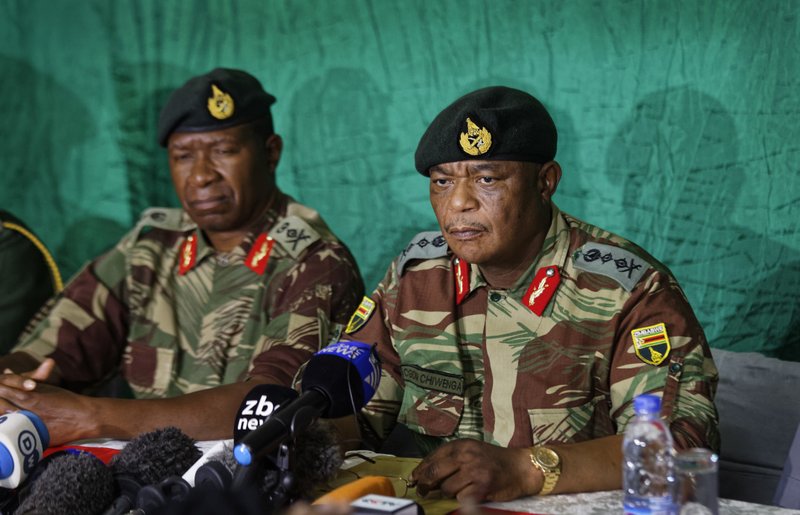
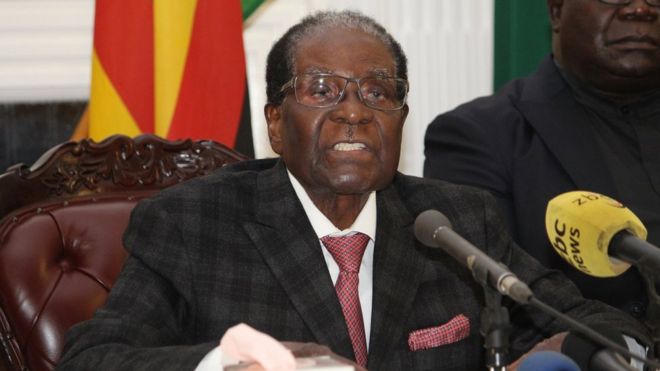
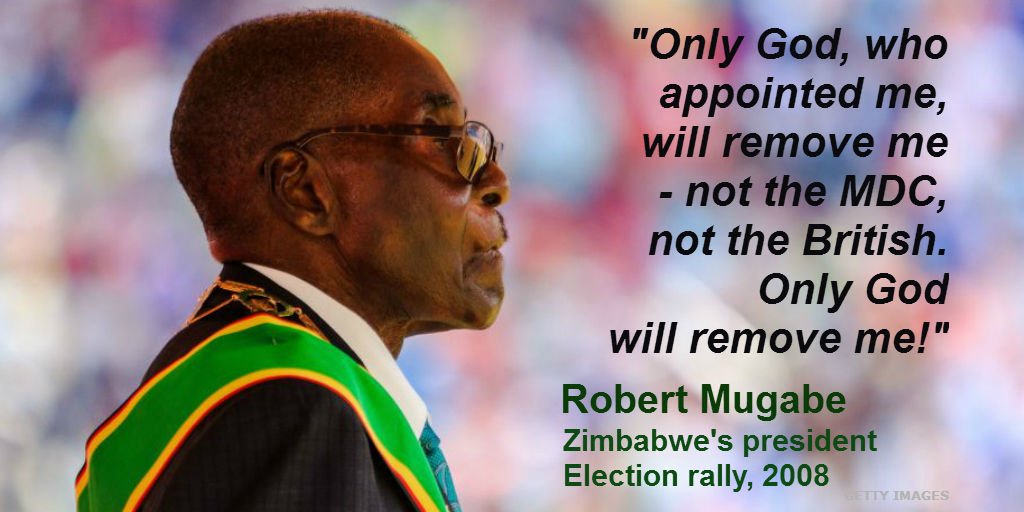
While there is a widespread consensus that the 93-year-old president should step down after nearly four decades in power, Mugabe has refused. The country has known no other leader since independence from white minority rule in 1980. The conflicted role of the military, widely hailed as a savior after effectively stripping Mugabe of his authority last week, is under scrutiny after its generals flanked him during a televised address Sunday night in which he asserted that he remained the “commander in chief” and referred to “our well-cherished constitutional order.” The generals have been involved in talks with him on a way out of the leadership crisis. While they acted outside his authority by sending tanks into the streets, they also projected deference in sitting by at the official residence, State House, as Mugabe told the nation he was still in charge.
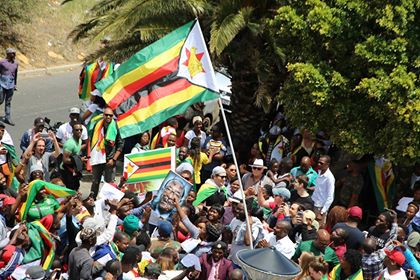
Although Mugabe’s powers as a wily, ruthless tactician have faded with age, his remarks seemed to reflect a keen understanding of the quandary of those trying to pry him from office: It would be easy enough at this stage to eject him, but perceptions that he is being illegally toppled, or is the target of a military coup, would undermine the credibility of any successor and muddy the international relationships of a new government. Zimbabwe’s association of war veterans, which is close to the military, said the generals are in an awkward position because their formal role requires them to protect Mugabe from civilian protesters such as those who poured into Harare’s streets on the weekend. It is time for the military to step back and let the parliament and, if necessary, demonstrators remove the longtime leader, said Chris Mutsvangwa, head of the association. “We cannot continue to have the generals seen as arbiters of the political destiny of Zimbabwe. It is not their purpose,” Mutsvangwa said.
Later Monday, the military said in a statement that it held further meetings with Mugabe since his speech in which he ignored calls to resign. The statement said Mugabe is working toward “a definitive solution and roadmap for the country.” In a news conference on state-run television, the military said it was encouraged by new developments that include “contact” between Mugabe and ousted Vice President Emmerson Mnangagwa, who has close ties to the military and is poised to succeed him. The military said Mnangagwa will return to Zimbabwe “shortly.” Zimbabwe’s ruling ZANU-PF party expressed confidence that it could impeach Mugabe this week if it secures the support of opposition lawmakers in reaching a two-thirds majority in parliament. On Sunday, the party’s Central Committee stripped him of his ZANU-PF leadership post in a decision to be ratified at a party congress on Dec. 12-17. The plan is to move a motion for impeachment on Tuesday, set up a parliamentary committee to investigate the matter, and then refer it to all lawmakers for a vote by Wednesday, said Paul Mangwana, the party’s deputy secretary for legal affairs.
The main charge against Mugabe is “allowing his wife to usurp government powers” and that “he is too old and cannot even walk without help,” Mangwana told reporters. However, some analysts believe the impeachment process could take weeks and would, if conducted properly, allow Mugabe to make a case in his defense. Zimbabwe’s polarizing first lady, Grace Mugabe, had been positioning herself to succeed her husband, leading a party faction that engineered the ouster of Mnangagwa. The prospect of a dynastic succession alarmed the military, which threw its lot in with Mnangagwa by confining Mugabe to his home and targeting what it said were “criminals” around him who were allegedly looting state resources — a reference to associates of his wife. Zimbabweans are disillusioned by the country’s economic collapse under Mugabe, who acknowledged “a whole range of concerns” about the national disarray on his watch, in his Sunday night address.
MORE