
/----/ Feel free to refute -- with sources.That doesnt explain why that regime change is good. Im aware that it happened, you havent articulated why we went to war to do it. And their missle program wasnt destroyed, DERP.
The strategic landscape for Iran has shifted dramatically following the recent conflict and the subsequent June 2026 interim Memorandum of Understanding (MoU). While the U.S.-led and Israeli military campaigns did not trigger full regime change, they severely degraded Iran's conventional and unconventional capabilities, even as diplomatic exits begin to alter the landscape.
Here is an analysis of how Iran’s key pillars of power have been degraded:
1. Nuclear Development & Stockpile
The joint military offensive targeted crucial nodes of Iran's nuclear infrastructure.- Stockpile Management: Prior to the recent diplomatic framework, Iran's enriched uranium stockpile was reported to exceed 9,000 kilograms, including roughly 440 kilograms at near-weapons-grade levels.
- The MoU Impact: Under the mid-June 2026 interim agreement, Iran has been forced to accept a strict, mutually agreed-upon framework for on-site dilution of this stockpile under International Atomic Energy Agency (IAEA) supervision. While the degradation of physical facilities disrupted their breakout timeline, the forced diplomatic rollback represents a significant check on their near-term enrichment ambitions.
2. Ballistic Missile Arsenal
Iran's strategic deterrent took a massive hit during the air campaigns, though it remains a core element of their defense.- Infrastructure Damage: Strikes explicitly targeted production facilities, launch sites, and storage depots across the country.
- Strategic Retention: Despite the destruction of critical manufacturing infrastructure, the degradation is incomplete. Notably, the 14-point interim MoU made no explicit reference to eliminating Iran's ballistic missile arsenal. Pragmatic geopolitical allowances mean Iran will retain some remnant capabilities, though its immediate restocking capacity has been crippled due to logistical disruptions and supply-chain vulnerabilities exposed during the war.
3. Support of Regional Terrorism & Proxies
Tehran’s "Axis of Resistance" has been systematically hollowed out, leaving the central regime increasingly isolated.- Leadership Attrition: Combined campaigns since late 2025 eliminated established leaders across multiple Iran-backed armed groups and proscribed terrorist entities, creating severe command-and-control vacuums.
- Proxy Disarmament: Key regional assets—such as Hamas in Gaza and various factions in Lebanon and Iraq—face immense local and international pressure to disarm or integrate into state forces.
- Internal Focus: The physical degradation of Islamic Revolutionary Guard Corps (IRGC) bases, Basij infrastructure, and police facilities inside Iran has forced the regime to pivot inward. Severely weakened and increasingly paranoid, Tehran is prioritizing surviving internal dissent and domestic ethnic insurgencies over funding external proxy operations.
4. Oil Production & Economic Leverage
The war fundamentally disrupted Iran's primary economic engine, though a fragile diplomatic lifeline has just been extended.- Maritime Blockade: The enforcement of a tight naval blockade and the effective closure of the Strait of Hormuz since February 2026 choked off traditional and "shadow-fleet" export routes, devastating oil revenues. World Bank projections indicate a shrinking economy with annual inflation spiking toward 60%.
- Temporary Relief (General License X): Following the June 17, 2026 MoU, the U.S. Treasury issued a temporary 60-day waiver (General License X) allowing the production and sale of Iranian crude to facilitate the reopening of the Strait of Hormuz.
- Long-Term Structural Degradation: While this provides an immediate cash infusion—historically used by the IRGC for rearmament—the long-term capacity remains heavily degraded. Physical damage to production facilities, strict constraints regarding the potential escrowing of funds for humanitarian goods, and a lack of foreign investor confidence mean Iran's energy sector is functioning at a fraction of its pre-war resilience.

U.S.-Iran Interim Agreement: Implications for the Maritime Industry and Oil Trade | Insights | Holland & Knight
The signing of an interim Memorandum of Understanding by the U.S. and Iran calls for the immediate termination of military operations and potential sanctions relief.
www.hklaw.com
Iran Update Special Report, March 21, 2026
Iran launched two ballistic missiles targeting the US-UK base at Diego Garcia in the Indian Ocean on March 21.
 understandingwar.org
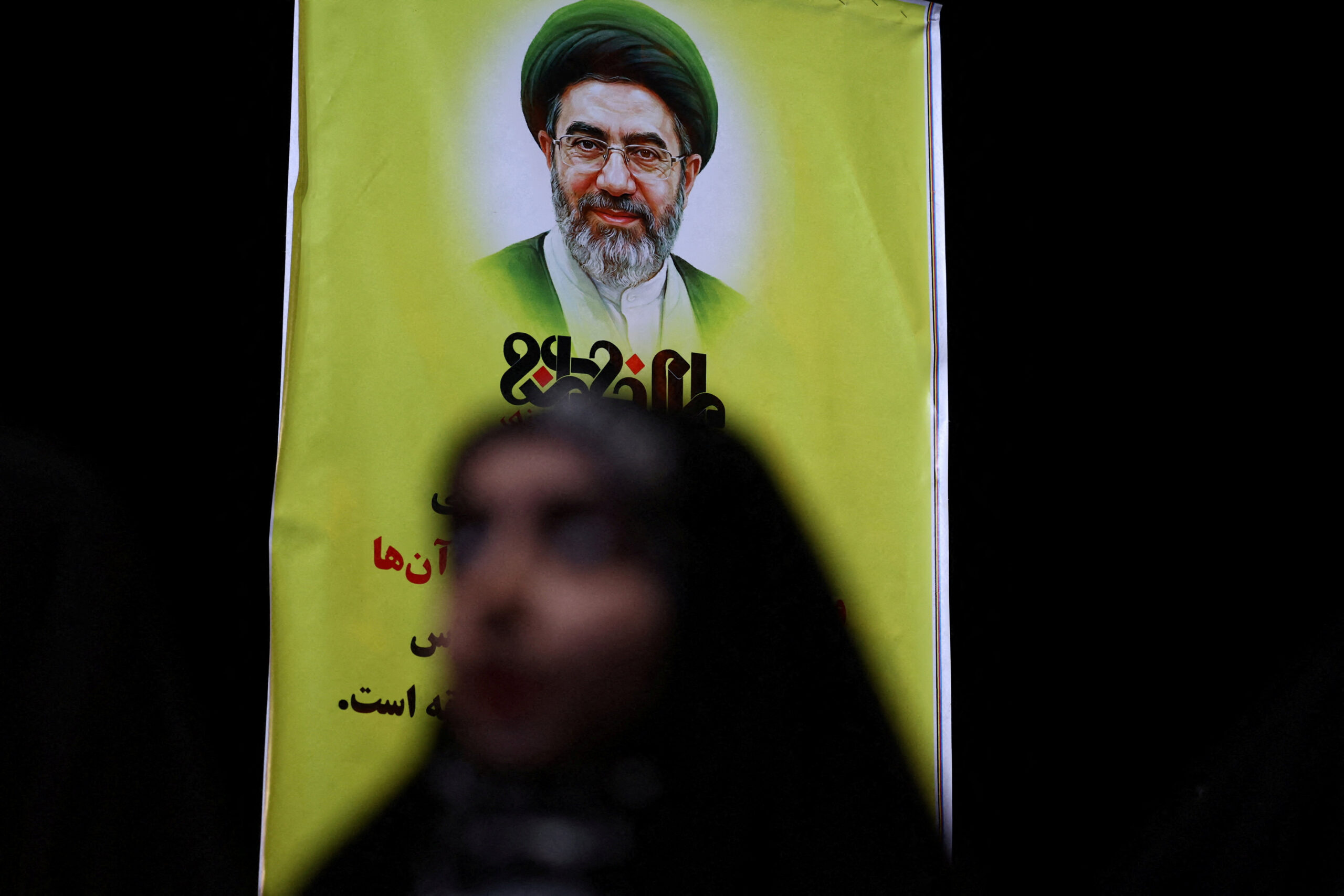
Five ways the Iran war will forever alter the Middle East
Expect the war to weaken the Iranian regime, keep the US in the Middle East, harm Israel's standing in the region, and more.
 www.atlanticcouncil.org


