The Lemon Test

Doc7505

Diamond Member
Joined
Feb 16, 2016
Messages
23,413
Reaction score
41,648
Points
2,430

The Lemon Test

Journalists don’t have a First Amendment right to break the law.
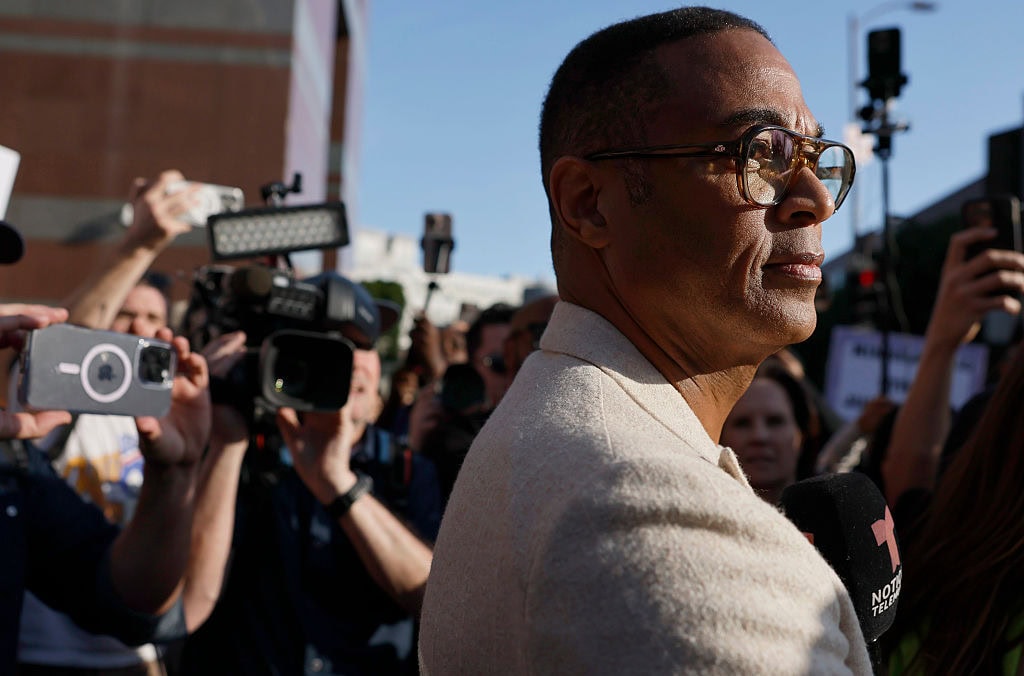
2 Feb 2026 ~~ By Carson Holloway

Fake constitutionalism is increasingly becoming a problem in America. There is a marked tendency for public officials, political commentators, and those in the media to invoke bogus constitutional principles or bogus interpretations of genuine constitutional principles. They do this mainly to cast blame on their political opponents or to shelter the otherwise unacceptable behavior of their political allies. Fake constitutionalism undermines constitutional government by spreading misconceptions about what our Constitution means.
Regrettably, the First Amendment has become one of the most fruitful areas in which fake constitutionalism thrives. It is now commonplace for Americans—even constitutional lawyers—to make inflated claims about the protections afforded by the First Amendment, extending its scope far beyond the safeguards the American Founders had in mind when they debated and wrote this essential provision of our Constitution. The most recent case in point is the misplaced outrage over the supposed violations of the First Amendment involved in the arrest of Don Lemon.
Lemon, formerly of CNN, was taken into custody late last week for his part in disrupting a service at Cities Church in St. Paul, Minnesota. Lemon accompanied and filmed protestors who stormed the service to express their disapproval of ICE operations in Minneapolis.
~Snip~
Contrary to Lowell, the First Amendment does not afford any protection to journalism as an activity or to journalists as a class. It instead protects certain more narrowly defined activities, namely, speech and publication. This is evident from the language the framers of the amendment chose to express their meaning: “Congress shall make no law…abridging the freedom of speech, or of the press.”
The scope of the First Amendment’s protection is also indicated by the early controversies over its meaning, most notably the debates over the Sedition Act of 1798. Celebrated American statesmen and jurists like Thomas Jefferson and James Madison condemned the act, while others of equal stature such as Alexander Hamilton and Supreme Court Justice James Iredell defended it. The argument concerned the extent to which the government could punish certain kinds of publications. No one at the time, however, suggested that the First Amendment protected otherwise unlawful acts done in the pursuit of publishing information.
The narrow—and reasonable—original understanding of the First Amendment is also evident in the works of the great early American legal commentators such as Justice Joseph Story. In his celebrated Commentaries on the Constitution of the United States, Story wrote that “it is plain…that the language of” the First Amendment “imports no more, than that every man shall have a right to speak, write, and print his opinions upon any subject whatever, without any prior restraint, so always, that he does not injure any other person in his rights, person, or property, or reputation; and so always, that he does not thereby disturb the public peace….” As Story’s remarks make clear, even the right to speak and publish is limited by certain principles necessary to a just public order and the protection of other essential rights. Even more to the present purpose is Story’s argument that the First Amendment protects only the right to speak and publish—that is, rights that belong to every man, not just to journalists.
~Snip~
Recall, further, Justice Story’s observation that the First Amendment’s protection of the right to speak and publish belongs to “every man.” This is a key principle affirmed by the Supreme Court in modern times. The great liberal Justice William Brennan on more than one occasion remarked that the First Amendment protects all Americans equally, and not just the members of the professional, credentialed press. A blogger or a concerned citizen who circulates a newsletter has all the same First Amendment rights as someone who works for the New York Times or CNN.
~Snip~
Justice Story observed in his account of the First Amendment that “the exercise of a right is essentially different from an abuse of it. The one is no legitimate inference from another.” “Common sense,” Story continued, “here promulgates the broad doctrine: so exercise your freedom, as not to infringe the rights of others, or the public peace and safety.” This is the way the Founders thought about the rights they enshrined in the Constitution, and it is the only way to think about them that is consistent with a decent public order in which the rights of all are safe.


Commentary:
Holloway makes good points in the prosecution of Don Lemon's violation of the First Amendment..
"The amendment protects all Americans, and not only professional journalists, defending Lemon’s conduct as an activity protected by the First Amendment would mean that everybody could break the law and then claim to be engaged in “reporting.”
 

The Lemon Test

Journalists don’t have a First Amendment right to break the law.

2 Feb 2026 ~~ By Carson Holloway

Fake constitutionalism is increasingly becoming a problem in America. There is a marked tendency for public officials, political commentators, and those in the media to invoke bogus constitutional principles or bogus interpretations of genuine constitutional principles. They do this mainly to cast blame on their political opponents or to shelter the otherwise unacceptable behavior of their political allies. Fake constitutionalism undermines constitutional government by spreading misconceptions about what our Constitution means.
Regrettably, the First Amendment has become one of the most fruitful areas in which fake constitutionalism thrives. It is now commonplace for Americans—even constitutional lawyers—to make inflated claims about the protections afforded by the First Amendment, extending its scope far beyond the safeguards the American Founders had in mind when they debated and wrote this essential provision of our Constitution. The most recent case in point is the misplaced outrage over the supposed violations of the First Amendment involved in the arrest of Don Lemon.
Lemon, formerly of CNN, was taken into custody late last week for his part in disrupting a service at Cities Church in St. Paul, Minnesota. Lemon accompanied and filmed protestors who stormed the service to express their disapproval of ICE operations in Minneapolis.
~Snip~
Contrary to Lowell, the First Amendment does not afford any protection to journalism as an activity or to journalists as a class. It instead protects certain more narrowly defined activities, namely, speech and publication. This is evident from the language the framers of the amendment chose to express their meaning: “Congress shall make no law…abridging the freedom of speech, or of the press.”
The scope of the First Amendment’s protection is also indicated by the early controversies over its meaning, most notably the debates over the Sedition Act of 1798. Celebrated American statesmen and jurists like Thomas Jefferson and James Madison condemned the act, while others of equal stature such as Alexander Hamilton and Supreme Court Justice James Iredell defended it. The argument concerned the extent to which the government could punish certain kinds of publications. No one at the time, however, suggested that the First Amendment protected otherwise unlawful acts done in the pursuit of publishing information.
The narrow—and reasonable—original understanding of the First Amendment is also evident in the works of the great early American legal commentators such as Justice Joseph Story. In his celebrated Commentaries on the Constitution of the United States, Story wrote that “it is plain…that the language of” the First Amendment “imports no more, than that every man shall have a right to speak, write, and print his opinions upon any subject whatever, without any prior restraint, so always, that he does not injure any other person in his rights, person, or property, or reputation; and so always, that he does not thereby disturb the public peace….” As Story’s remarks make clear, even the right to speak and publish is limited by certain principles necessary to a just public order and the protection of other essential rights. Even more to the present purpose is Story’s argument that the First Amendment protects only the right to speak and publish—that is, rights that belong to every man, not just to journalists.
~Snip~
Recall, further, Justice Story’s observation that the First Amendment’s protection of the right to speak and publish belongs to “every man.” This is a key principle affirmed by the Supreme Court in modern times. The great liberal Justice William Brennan on more than one occasion remarked that the First Amendment protects all Americans equally, and not just the members of the professional, credentialed press. A blogger or a concerned citizen who circulates a newsletter has all the same First Amendment rights as someone who works for the New York Times or CNN.
~Snip~
Justice Story observed in his account of the First Amendment that “the exercise of a right is essentially different from an abuse of it. The one is no legitimate inference from another.” “Common sense,” Story continued, “here promulgates the broad doctrine: so exercise your freedom, as not to infringe the rights of others, or the public peace and safety.” This is the way the Founders thought about the rights they enshrined in the Constitution, and it is the only way to think about them that is consistent with a decent public order in which the rights of all are safe.


Commentary:
Holloway makes good points in the prosecution of Don Lemon's violation of the First Amendment..
"The amendment protects all Americans, and not only professional journalists, defending Lemon’s conduct as an activity protected by the First Amendment would mean that everybody could break the law and then claim to be engaged in “reporting.”
The problem is far more concerning, and that is that no one really cares as to the Constitutionality of his actions

What you have now are groups of people who will bully their way into power by any means possible, including using the Constitution as a tool if it suits them. But if the Constitution does not defend their actions, they will then try to reinterpret the Constitution away, or claim that the courts are systemically racist, etc.

But the very reason that people like Don have no fear doing these things is, he understands that he is untouchable, due to his wealth and political affiliations, just like Jesse Smollett was when he brought false charges that he was assaulted by MAGA supporters. He is a good example to use because many on the Left admitted that Jesse had violated the law as it was pretty obvious to all. But he had no fear doing it as he evaded justice anyway.

So, the Constitution be damned as we live in a post Constitutional society.

I am confident Don will evade justice from breaking the law, just as I am just as confident he has violated the law.

But no one cares, that is, no one with the ability to hold people accountable for their actions, so long as those actions are condoned by the powers that be.
 
I'm not sure it's "fake" exactly, I think these leftards are seriously and truly ignorant and deluded. They actually believe the crap they're spouting.

Politically, one of the surest ways to unite your base is to find a common enemy. OMB. These leftards actually believe Trump is an authoritarian Nazi. And their leaders reinforce that belief and even pay them for it.

Leftism is a menace. It's a very serious social and political threat. Right now we're laughing at these idiots for standing around in the snow, but it only gets worse from here.

The lefties are engaging in the very behavior they claim to hate. "Papers, please". Papers or we beat you up, mob style.
 
The problem is far more concerning, and that is that no one really cares as to the Constitutionality of his actions

What you have now are groups of people who will bully their way into power by any means possible, including using the Constitution as a tool if it suits them. But if the Constitution does not defend their actions, they will then try to reinterpret the Constitution away, or claim that the courts are systemically racist, etc.

But the very reason that people like Don have no fear doing these things is, he understands that he is untouchable, due to his wealth and political affiliations, just like Jesse Smollett was when he brought false charges that he was assaulted by MAGA supporters. He is a good example to use because many on the Left admitted that Jesse had violated the law as it was pretty obvious to all. But he had no fear doing it as he evaded justice anyway.

So, the Constitution be damned as we live in a post Constitutional society.

I am confident Don will evade justice from breaking the law, just as I am just as confident he has violated the law.

But no one cares, that is, no one with the ability to hold people accountable for their actions, so long as those actions are condoned by the powers that be.

Homo-colored-democrat

Untouchable by US Law.
 
Reporting on an event is not breaking the law
Lemon was clearly a Reporter and identified himself as such

TRump is acting like a thug again
Lemon was also asked to leave the premises. Instead, he continued jabbing his gay microphone towards the pastor's mouth. Who knows if Lemon has AIDS. Would you want his microphone stuck in your face? Whatever happened to "personal space?" Anyway ... Lemon wasn't invited to that Church and he was there to disrupt ... not participate. He clearly broke the law and needs to spend some time in a cell with "Bubba."
 
Reporting on an event is not breaking the law
Lemon was clearly a Reporter and identified himself as such

TRump is acting like a thug again
If you knew what the 911 attackers had planned And conspired to keep it secret while flying with them in the plane.

Is it journalism and protected by the Constitution?
 
Lemon accompanied and filmed protestors who stormed the service to express their disapproval of ICE operations in Minneapolis.

I just wonder if taking a firm stance will have reporters thinking twice about becoming involved and thus making it harder for district attorneys in prosecuting the ring leaders of these idiots? This old Perry Mason fan thinks video evidence is a wonderful thing to present to a jury. I'm going to have to kick around my thoughts on this one.
 
Reporting on an event is not breaking the law
Lemon was clearly a Reporter and identified himself as such

TRump is acting like a thug again
The people who broke into the Capitol building on January 6th and then peacefully walked around with officers were just reporting on the process to the rest of us.
 
Reporting on an event is not breaking the law
Lemon was clearly a Reporter and identified himself as such

TRump is acting like a thug again
Just ignore his video planning the invasion with the mob, huh?

Why was he interrogating the Pastor?


.
 
15th post
Lemonsniffer wanted to be part of the story instead of reporting on it. Now he is.


.
 
The people who broke into the Capitol building on January 6th and then peacefully walked around with officers were just reporting on the process to the rest of us.

The Democrats openly pulled a coup on an extremely popular sitting President.

There was nothing off limits at that point.
 
The Democrats openly pulled a coup on an extremely popular sitting President.

There was nothing off limits at that point.
No, they were just reporting what was happening in the Capitol building, just like what rightwinger is defending as far as what Don Lemon did.
 
Back
Top Bottom