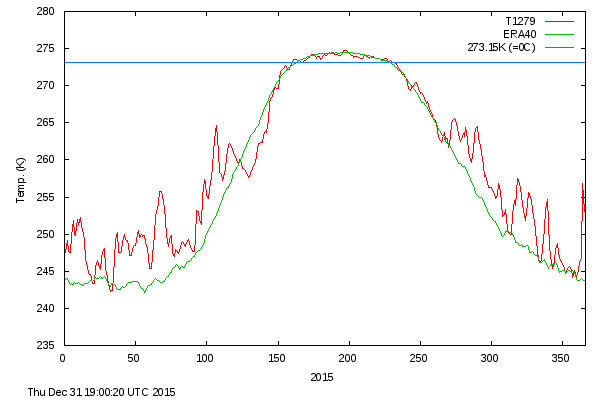
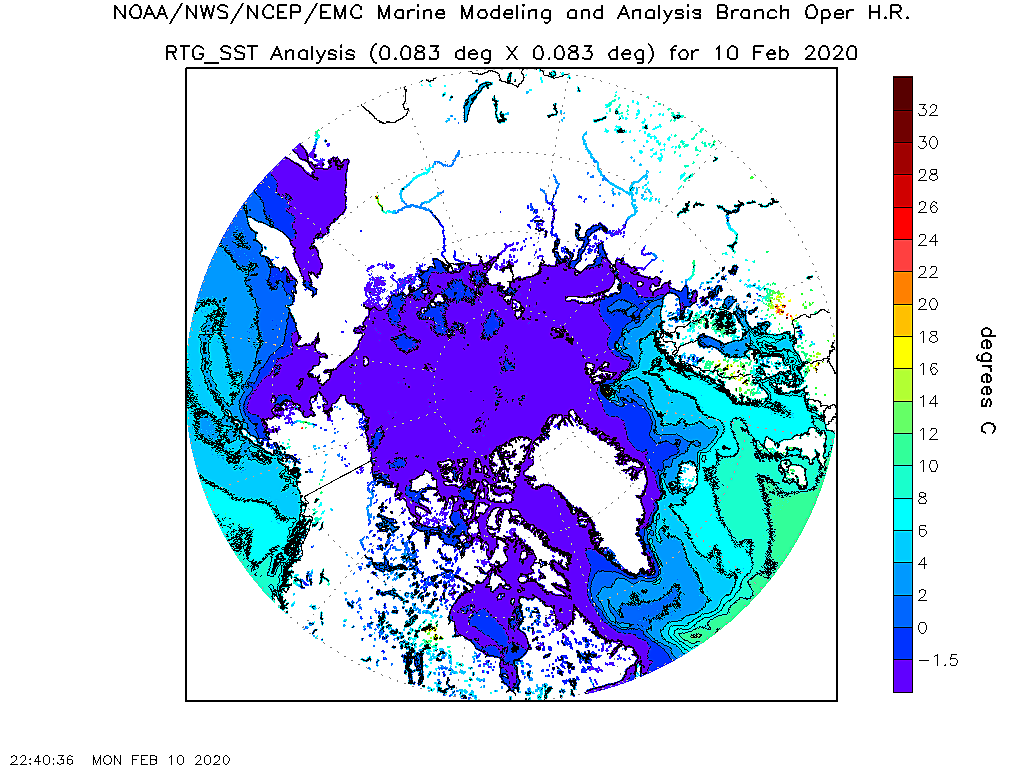
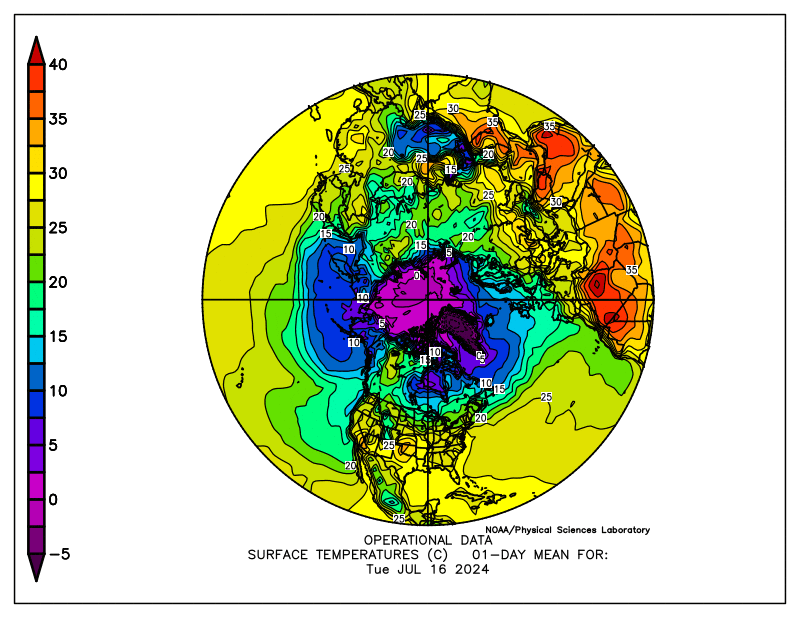
Hmmmmmmm................ Present Sea Ice in the Arctic is at 3.5 million square kilometers. That is somewhere between to 9th and 7th lowest extent on record. Three to four weeks of melt left to go.
http://arctic.atmos.uiuc.edu/cryosphere/IMAGES/seaice.area.arctic.png
How much must we reduce CO2 to bring the ice back to it's normal level?
What is the normal level for interglacials?
A side note is the finding of methane consuming bacteria in the Arctic. Not unlike the natural bacteria that consumed the BP oilspill.
The bacteria that consumed the BP oilspill? Really?
5 Years After BP Oil Spill, Effects Linger And Recovery Is Slow
This was one of the most heavily oiled areas during the BP oil spill five years ago. Today, hundreds of tar balls still dot the beach. A BP crew works to clean up a large tar mat from the surf.
"This will be going on, unfortunately, for years," says Marshall.
That's because some of the oil was buried beneath the sand just offshore, and it gets churned up when the surf is rough. Back out on Barataria Bay, Marshall points to where roots jut up in the open water. These used to be mangrove islands.
"The oil coated the roots of those mangrove trees and then they died," Marshall says. "And without the mangroves to hold the islands together, within three years most of those islands were gone."
Louisiana was already losing land at an alarming rate, but scientists confirm that the oil spill accelerated the pace. Barataria Bay has lost key bird nesting islands, and
federal government studies indicate that dolphins here in the bay are sick and dying at a higher rate than normal and show signs of oil poisoning.
Just as the sheer amount of oil prevented the normal biological processing of all the oil, the Arctic methane that is being out gassed from both the permafrost and clathrates is far too large amount for the normal processes to take care of. Flights measuring methane over that region often record amount high up as large as 2150 ppb.
Arctic News