excalibur
Diamond Member
- Mar 19, 2015
- 29,430
- 59,667
- 2,290
Gaining control over the bureaucrats.
Excellent!
Excellent!
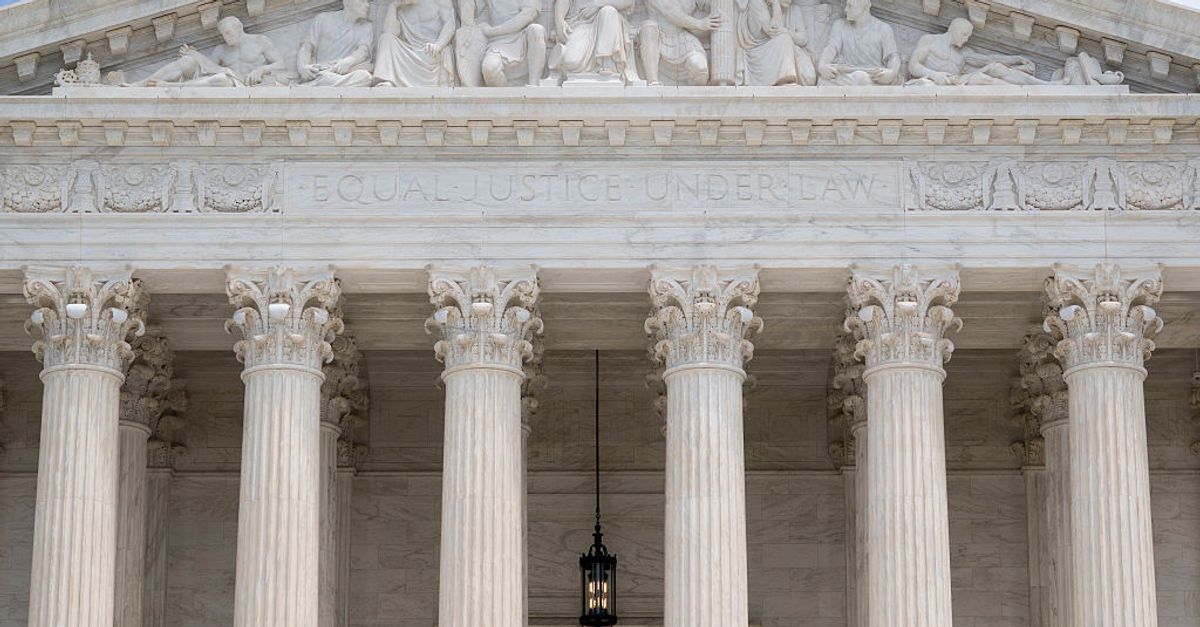
The Supreme Court on Monday gave President Donald Trump sweeping new authority over approximately two dozen multi-member agencies that Congress intended to be independent. By a vote of 6-3, the justices struck down a federal law that bars the president from firing members of the Federal Trade Commission except in cases of “inefficiency, neglect of duty, or malfeasance in office.” That law, a majority of the justices ruled, violates the constitutional separation of powers between the three branches of government. And in reaching that decision, the court overruled its 91-year-old decision in Humphrey’s Executor v. United States, which had upheld the law at the center of the dispute.
More broadly, Monday’s decision was a major victory for proponents of the “unitary executive” theory – the idea that the president should have complete control over the executive branch. Under this theory, the president should be able to fire any member of the executive branch, and laws – like the one that the court struck down – that restrict his ability to do so violate the separation of powers.
Writing for the majority, Chief Justice John Roberts contended that “the President must have the assistance of officers he can trust. Although it is up to the Senate to decide whether to confirm those with whom the President would prefer to work, neither Congress nor the courts may saddle him with those with whom he cannot work. Subordinates who exercise the President’s power are subject to removal by him. Then, and only then, can they remain accountable to the President, and the President to the people.”
...
More broadly, Monday’s decision was a major victory for proponents of the “unitary executive” theory – the idea that the president should have complete control over the executive branch. Under this theory, the president should be able to fire any member of the executive branch, and laws – like the one that the court struck down – that restrict his ability to do so violate the separation of powers.
Writing for the majority, Chief Justice John Roberts contended that “the President must have the assistance of officers he can trust. Although it is up to the Senate to decide whether to confirm those with whom the President would prefer to work, neither Congress nor the courts may saddle him with those with whom he cannot work. Subordinates who exercise the President’s power are subject to removal by him. Then, and only then, can they remain accountable to the President, and the President to the people.”
...