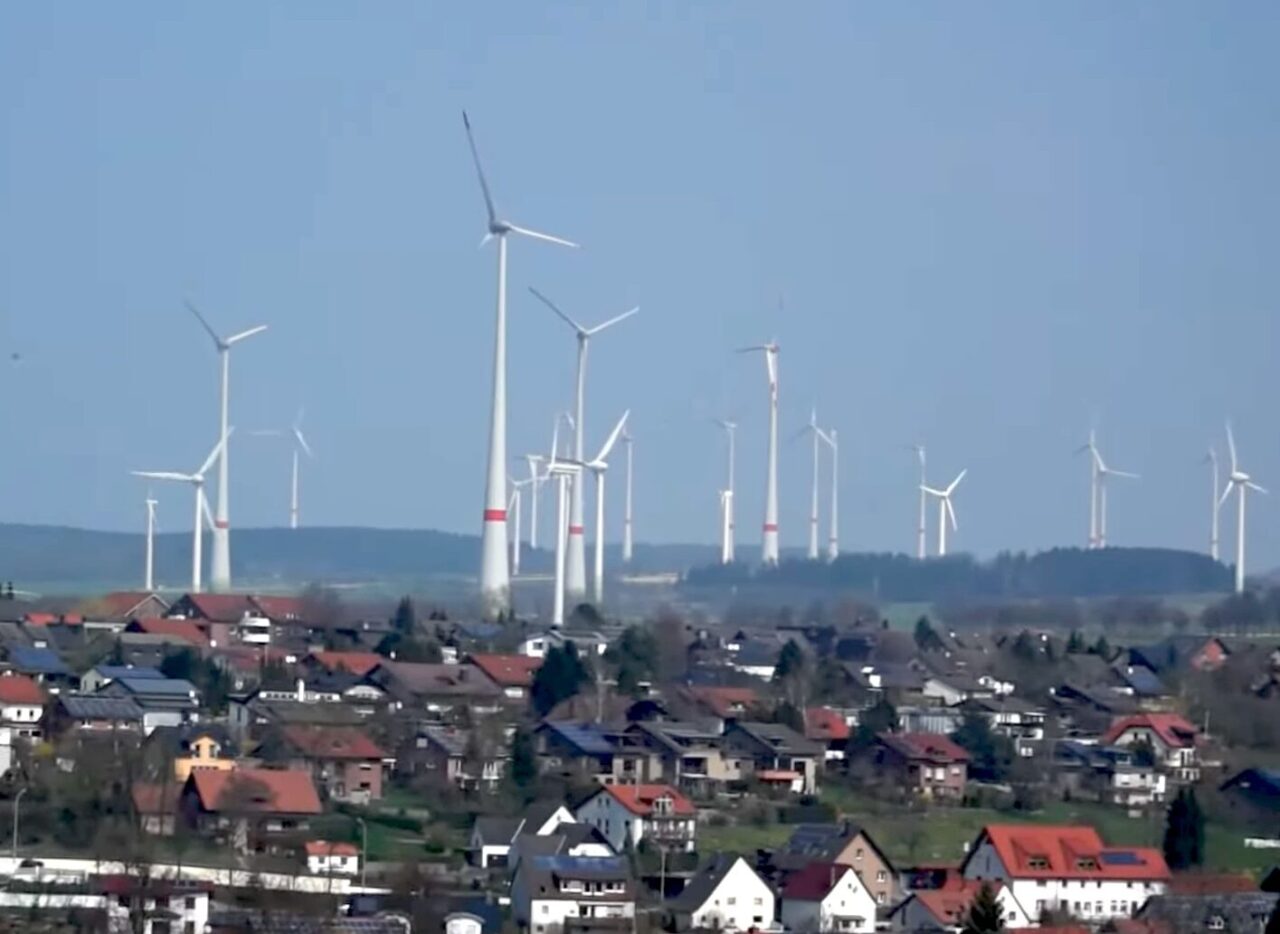
Renewables surging worldwide

In spite of the efforts of the stupidest President we have even had the misfortune to have elected by equally stupid people, renewables are doing great, not only worldwide, but also in the US. You see, utilities run on money, and renewables represent the best bargain for new generation.

"Renewable energy is not just surviving the second Trump presidency, it is racing ahead and setting records that would have seemed implausible a decade ago. From global investment flows to the share of electricity generated by wind and solar, the numbers now point in one direction. The political fight over climate policy is real, but the market shift toward cleaner power is proving far harder to reverse than the White House might have hoped.

What is emerging instead is a two-track story. President Donald Trump is using federal levers to favor fossil fuels and “beautiful, CLEAN coal,” yet utilities, investors, states, and foreign competitors are betting heavily on renewables. The result is a world in which Trump can slow the transition at the margins, especially in the United States, but cannot stop a structural transformation that is already well under way."

OFFS!
 
Last edited:
"Renewable energy is not just surviving the second Trump presidency, it is racing ahead and setting records that would have seemed implausible a decade ago.

Record high costs for unreliable, more expensive wind and solar.

You see, utilities run on money, and renewables represent the best bargain for new generation.

Cool story. Which countries have installed lots of renewables and now have lower energy costs?

Renewables​

The transition to renewable energy sources in Australia has significantly reduced energy costs. Here are some key points highlighting how renewables are contributing to lower energy costs:
 
"Renewable energy is not just surviving the second Trump presidency, it is racing ahead and setting records that would have seemed implausible a decade ago.

Record high costs for unreliable, more expensive wind and solar.

You see, utilities run on money, and renewables represent the best bargain for new generation.

Cool story. Which countries have installed lots of renewables and now have lower energy costs?
The costs of installation and maintenance are far less per Mw for renewables than for fossil fuels.

 
In spite of the efforts of the stupidest President we have even had the misfortune to have elected by equally stupid people, renewables are doing great, not only worldwide, but also in the US. You see, utilities run on money, and renewables represent the best bargain for new generation.

"Renewable energy is not just surviving the second Trump presidency, it is racing ahead and setting records that would have seemed implausible a decade ago. From global investment flows to the share of electricity generated by wind and solar, the numbers now point in one direction. The political fight over climate policy is real, but the market shift toward cleaner power is proving far harder to reverse than the White House might have hoped.

What is emerging instead is a two-track story. President Donald Trump is using federal levers to favor fossil fuels and “beautiful, CLEAN coal,” yet utilities, investors, states, and foreign competitors are betting heavily on renewables. The result is a world in which Trump can slow the transition at the margins, especially in the United States, but cannot stop a structural transformation that is already well under way."

Nations that have renewable energy have the highest costs and frequent shortages. In America states that have most renewable energy pay the highest costs. Germany is losing manufacturing because of the cost of renewable energy and they are coming to America. Trump wisely ended the subsidies and is supporting nuclear and fossil fuels.
Renewable energy can never meet the demand for AI and data centers and will cause an energy shortage catastrophe
 
Who the **** wants to look at the result of mountain top mining, tar sands mining?
It's better than 'renewables' as far as the eye can see. That's what's coming due the insatiable appetite for energy to feed AI and the new generation of machines that it will create.
 
How much do you want to pay for your electricity. Nuclear is by far the most expensive source of electricity. And if there is an accident at the nuclear plant, and you are downwind, you will find that your insurance does not cover that.
As much as is necessary for reliable power. Your "renewables" are neither cheap, nor reliable.
 
In 2024, renewable energy sources accounted for approximately 59% of Germany's electricity production, with significant contributions from wind, solar, and biomass.

Overview​

Germany has been a leader in the transition to renewable energy, known as the "Energiewende." As of 2024, renewable energy sources provided 254.9 terawatt-hours (TWh) of electricity, representing 59% of the total electricity generated in the country. The breakdown of renewable energy sources is as follows:
Wikipedia
  • Wind Energy: 31.87% (25.92% onshore and 5.95% offshore)
  • Solar Energy: 14.66%
  • Biomass: 8.33%
  • Hydropower: 3.97%.

    2
  • ODF.INhCOd4qElPoejfhZYl17A

    ODF.Zelm3PA98wyAqB47P4NbZQ


    2 Sources

Growth​

The installed capacity for renewable energy in Germany has seen significant growth. In 2024, the total installed capacity reached nearly 190 gigawatts (GW), with a year-on-year increase of 12%. This growth is primarily driven by solar and wind energy. In 2024, solar power generation alone reached a record 72.2 TWh, contributing significantly to the overall renewable energy output.
www.bundesnetzagentur.de+1

Employment​

The renewable energy sector has also had a positive impact on employment, with around 370,000 people employed in this field as of 2010, and this number has continued to grow as the sector expands. The transition to renewables is not only aimed at reducing carbon emissions but also at enhancing energy security and reducing dependence on fossil fuel imports.
Wikipedia

Future​

Germany's commitment to renewable energy is evident in its policies and investments aimed at further increasing the share of renewables in the energy mix. The government continues to simplify approval processes for new renewable projects, which is expected to accelerate growth in the coming years.
www.bundesnetzagentur.de
In summary, Germany's renewable energy sector is robust and continues to expand, playing a crucial role in the country's energy transition and environmental goals.
https://www.bing.com/ck/a?!&&p=40fc...2kvUmVuZXdhYmxlX2VuZXJneV9pbl9HZXJtYW55&ntb=1

In 2024, renewable energy sources accounted for approximately 59% of Germany's electricity production, with significant contributions from wind, solar, and biomass.

Is that why they pay 3 times what we do for electricity?

The renewable energy sector has also had a positive impact on employment, with around 370,000 people employed in this field as of 2010,

Now subtract out the jobs lost because electricity is so expensive.
 
How much do you want to pay for your electricity. Nuclear is by far the most expensive source of electricity. And if there is an accident at the nuclear plant, and you are downwind, you will find that your insurance does not cover that.

How much do you want to pay for your electricity. Nuclear is by far the most expensive source of electricity.

How expensive is nuclear at midnight?
How expensive is solar at midnight?
 
How much do you want to pay for your electricity. Nuclear is by far the most expensive source of electricity.

How expensive is nuclear at midnight?
How expensive is solar at midnight?
Solar with storage is still less costly by far than nuclear.

Lazard's Levelized Cost of Energy (LCOE) report highlights that renewable energy sources like utility-scale solar and onshore wind remain the most cost-effective forms of new energy generation, despite rising costs in other sectors.

Key​

  1. Cost Competitiveness of Renewables: The 2025 LCOE+ report indicates that utility-scale solar and onshore wind have maintained their position as the lowest-cost generation sources for the past decade, even without tax subsidies. This trend underscores the growing role of renewables in the energy mix, especially in a high-demand environment.

    2
  2. Rising Costs for Gas-Fired Generation: The report notes that the Levelized Cost of Energy for gas-fired generation has reached a 10-year high. Factors contributing to this increase include turbine shortages, rising costs, and extended delivery timelines. This trend contrasts with the cost stability observed in renewable energy technologies.

    2
  3. Decline in Battery Storage Costs: There has been a significant year-over-year decline in the costs of battery energy storage systems, reverting to levels seen in 2020. This decline is attributed to an oversupply of cells and advancements in technology, which enhance capacity and energy density.

    2
  4. Need for Diverse Energy Portfolios: The report emphasizes the importance of having a diverse generation fleet to meet rising power demands. It highlights that continuous innovation and system-wide planning are essential for a reliable and sustainable energy future.

    2
  5. Impact of Macroeconomic Factors: The analysis reflects the ongoing challenges posed by macroeconomic conditions, including high interest rates and supply chain issues, which have affected the overall cost landscape for energy generation.

    2
  6. ODF.e1jUBTx4Ny1FDh7bJe9K4w

    ODF.XWOvISxXaZ0YkVt9aLUs_g


    4 Sources

Conclusion​

Lazard's LCOE report serves as a critical resource for understanding the evolving dynamics of energy costs and the competitive landscape of various generation technologies. The findings reinforce the central role of renewables in the transition to a more sustainable energy future, while also highlighting the challenges faced by traditional energy sources. For more detailed insights, you can refer to the full report available on Lazard's website.

Lazard
Levelized Cost of Energy+ (LCOE+) | Lazard | Lazard


Nasda
 
Solar with storage is still less costly by far than nuclear.

Lazard's Levelized Cost of Energy (LCOE) report highlights that renewable energy sources like utility-scale solar and onshore wind remain the most cost-effective forms of new energy generation, despite rising costs in other sectors.

Key​

  1. Cost Competitiveness of Renewables: The 2025 LCOE+ report indicates that utility-scale solar and onshore wind have maintained their position as the lowest-cost generation sources for the past decade, even without tax subsidies. This trend underscores the growing role of renewables in the energy mix, especially in a high-demand environment.

    2
  2. Rising Costs for Gas-Fired Generation: The report notes that the Levelized Cost of Energy for gas-fired generation has reached a 10-year high. Factors contributing to this increase include turbine shortages, rising costs, and extended delivery timelines. This trend contrasts with the cost stability observed in renewable energy technologies.

    2
  3. Decline in Battery Storage Costs: There has been a significant year-over-year decline in the costs of battery energy storage systems, reverting to levels seen in 2020. This decline is attributed to an oversupply of cells and advancements in technology, which enhance capacity and energy density.

    2
  4. Need for Diverse Energy Portfolios: The report emphasizes the importance of having a diverse generation fleet to meet rising power demands. It highlights that continuous innovation and system-wide planning are essential for a reliable and sustainable energy future.

    2
  5. Impact of Macroeconomic Factors: The analysis reflects the ongoing challenges posed by macroeconomic conditions, including high interest rates and supply chain issues, which have affected the overall cost landscape for energy generation.

    2
  6. ODF.e1jUBTx4Ny1FDh7bJe9K4w

    ODF.XWOvISxXaZ0YkVt9aLUs_g


    4 Sources

Conclusion​

Lazard's LCOE report serves as a critical resource for understanding the evolving dynamics of energy costs and the competitive landscape of various generation technologies. The findings reinforce the central role of renewables in the transition to a more sustainable energy future, while also highlighting the challenges faced by traditional energy sources. For more detailed insights, you can refer to the full report available on Lazard's website.

Lazard
Levelized Cost of Energy+ (LCOE+) | Lazard | Lazard

Nasda

Solar with storage is still less costly by far than nuclear.

Baloney.

Lazard's Levelized Cost of Energy (LCOE) report highlights that renewable energy sources like utility-scale solar and onshore wind remain the most cost-effective forms of new energy generation, despite rising costs in other sectors.

Yeah, those phony numbers are still phony.
 
15th post
Solar with storage is still less costly by far than nuclear.

Lazard's Levelized Cost of Energy (LCOE) report highlights that renewable energy sources like utility-scale solar and onshore wind remain the most cost-effective forms of new energy generation, despite rising costs in other sectors.

Key​

  1. Cost Competitiveness of Renewables: The 2025 LCOE+ report indicates that utility-scale solar and onshore wind have maintained their position as the lowest-cost generation sources for the past decade, even without tax subsidies. This trend underscores the growing role of renewables in the energy mix, especially in a high-demand environment.

    2
  2. Rising Costs for Gas-Fired Generation: The report notes that the Levelized Cost of Energy for gas-fired generation has reached a 10-year high. Factors contributing to this increase include turbine shortages, rising costs, and extended delivery timelines. This trend contrasts with the cost stability observed in renewable energy technologies.

    2
  3. Decline in Battery Storage Costs: There has been a significant year-over-year decline in the costs of battery energy storage systems, reverting to levels seen in 2020. This decline is attributed to an oversupply of cells and advancements in technology, which enhance capacity and energy density.

    2
  4. Need for Diverse Energy Portfolios: The report emphasizes the importance of having a diverse generation fleet to meet rising power demands. It highlights that continuous innovation and system-wide planning are essential for a reliable and sustainable energy future.

    2
  5. Impact of Macroeconomic Factors: The analysis reflects the ongoing challenges posed by macroeconomic conditions, including high interest rates and supply chain issues, which have affected the overall cost landscape for energy generation.

    2
  6. ODF.e1jUBTx4Ny1FDh7bJe9K4w

    ODF.XWOvISxXaZ0YkVt9aLUs_g


    4 Sources

Conclusion​

Lazard's LCOE report serves as a critical resource for understanding the evolving dynamics of energy costs and the competitive landscape of various generation technologies. The findings reinforce the central role of renewables in the transition to a more sustainable energy future, while also highlighting the challenges faced by traditional energy sources. For more detailed insights, you can refer to the full report available on Lazard's website.

Lazard
Levelized Cost of Energy+ (LCOE+) | Lazard | Lazard

Nasda
Rewash
 
In 2024, renewable energy sources accounted for approximately 59% of Germany's electricity production, with significant contributions from wind, solar, and biomass.

Overview​

Germany has been a leader in the transition to renewable energy, known as the "Energiewende." As of 2024, renewable energy sources provided 254.9 terawatt-hours (TWh) of electricity, representing 59% of the total electricity generated in the country. The breakdown of renewable energy sources is as follows:
Wikipedia
  • Wind Energy: 31.87% (25.92% onshore and 5.95% offshore)
  • Solar Energy: 14.66%
  • Biomass: 8.33%
  • Hydropower: 3.97%.

    2
  • ODF.INhCOd4qElPoejfhZYl17A

    ODF.Zelm3PA98wyAqB47P4NbZQ


    2 Sources

Growth​

The installed capacity for renewable energy in Germany has seen significant growth. In 2024, the total installed capacity reached nearly 190 gigawatts (GW), with a year-on-year increase of 12%. This growth is primarily driven by solar and wind energy. In 2024, solar power generation alone reached a record 72.2 TWh, contributing significantly to the overall renewable energy output.
www.bundesnetzagentur.de+1

Employment​

The renewable energy sector has also had a positive impact on employment, with around 370,000 people employed in this field as of 2010, and this number has continued to grow as the sector expands. The transition to renewables is not only aimed at reducing carbon emissions but also at enhancing energy security and reducing dependence on fossil fuel imports.
Wikipedia

Future​

Germany's commitment to renewable energy is evident in its policies and investments aimed at further increasing the share of renewables in the energy mix. The government continues to simplify approval processes for new renewable projects, which is expected to accelerate growth in the coming years.
www.bundesnetzagentur.de
In summary, Germany's renewable energy sector is robust and continues to expand, playing a crucial role in the country's energy transition and environmental goals.
https://www.bing.com/ck/a?!&&p=40fc...2kvUmVuZXdhYmxlX2VuZXJneV9pbl9HZXJtYW55&ntb=1
 
In 2024, renewable energy sources accounted for approximately 59% of Germany's electricity production, with significant contributions from wind, solar, and biomass.

Overview​

Germany has been a leader in the transition to renewable energy, known as the "Energiewende." As of 2024, renewable energy sources provided 254.9 terawatt-hours (TWh) of electricity, representing 59% of the total electricity generated in the country. The breakdown of renewable energy sources is as follows:
Wikipedia
  • Wind Energy: 31.87% (25.92% onshore and 5.95% offshore)
  • Solar Energy: 14.66%
  • Biomass: 8.33%
  • Hydropower: 3.97%.

    2
  • ODF.INhCOd4qElPoejfhZYl17A

    ODF.Zelm3PA98wyAqB47P4NbZQ


    2 Sources

Growth​

The installed capacity for renewable energy in Germany has seen significant growth. In 2024, the total installed capacity reached nearly 190 gigawatts (GW), with a year-on-year increase of 12%. This growth is primarily driven by solar and wind energy. In 2024, solar power generation alone reached a record 72.2 TWh, contributing significantly to the overall renewable energy output.
www.bundesnetzagentur.de+1

Employment​

The renewable energy sector has also had a positive impact on employment, with around 370,000 people employed in this field as of 2010, and this number has continued to grow as the sector expands. The transition to renewables is not only aimed at reducing carbon emissions but also at enhancing energy security and reducing dependence on fossil fuel imports.
Wikipedia

Future​

Germany's commitment to renewable energy is evident in its policies and investments aimed at further increasing the share of renewables in the energy mix. The government continues to simplify approval processes for new renewable projects, which is expected to accelerate growth in the coming years.
www.bundesnetzagentur.de
In summary, Germany's renewable energy sector is robust and continues to expand, playing a crucial role in the country's energy transition and environmental goals.
https://www.bing.com/ck/a?!&&p=40fc...2kvUmVuZXdhYmxlX2VuZXJneV9pbl9HZXJtYW55&ntb=1
 
As the article states, the problem is not the renewables themselves, but bureaucracy. Thank you for an informative article from a trustworthy source.
 
Back
Top Bottom