The
Peasants' Revolt, also called
Wat Tyler's Rebellion or the
Great Rising, was a major uprising across large parts of England in 1381. The revolt had various causes, including the socio-economic and political tensions generated by the
Black Death in the 1340s, the high taxes resulting from the conflict with France during the
Hundred Years' War, and instability within the local leadership of London. The final trigger for the revolt was the intervention of a royal official,
John Bampton, in
Essex on 30 May 1381. His attempts to collect unpaid
poll taxes in
Brentwood ended in a violent confrontation, which rapidly spread across the south-east of the country. A wide spectrum of rural society, including many local artisans and village officials, rose up in protest, burning court records and opening the local gaols. The rebels sought a reduction in taxation, an end to the system of
unfree labour known as
serfdom and the removal of the King's senior officials and law courts.
Inspired by the sermons of the radical cleric
John Ball, and led by
Wat Tyler, a contingent of
Kentish rebels advanced on London. They were met at
Blackheath by representatives of the royal government, who unsuccessfully attempted to persuade them to return home. King
Richard II, then aged 14, retreated to the safety of the
Tower of London, but most of the royal forces were abroad or in northern England. On 13 June, the rebels entered London and, joined by many local townsfolk, attacked the gaols, destroyed the
Savoy Palace, set fire to law books and buildings in
the Temple, and killed anyone associated with the royal government. The following day, Richard met the rebels at
Mile End and acceded to most of their demands, including the abolition of serfdom. Meanwhile, rebels entered the Tower of London, killing the
Lord Chancellor and the
Lord High Treasurer, whom they found inside.
On 15 June, Richard left the city to meet with Tyler and the rebels at
Smithfield. Violence broke out, and Richard's party killed Tyler. Richard defused the tense situation long enough for London's mayor,
William Walworth, to gather a militia from the city and disperse the rebel forces. Richard immediately began to re-establish order in London and rescinded his previous grants to the rebels. The revolt had also spread into
East Anglia, where the
University of Cambridge was attacked and many royal officials were killed. Unrest continued until the intervention of
Henry le Despenser, who defeated a rebel army at the
Battle of North Walsham on 25 or 26 June. Troubles extended north to
York,
Beverley and
Scarborough, and as far west as
Bridgwater in
Somerset. Richard mobilised 4,000 soldiers to restore order. Most of the rebel leaders were tracked down and executed; by November, at least 1,500 rebels had been killed....
The Peasants' Revolt was fed by the economic and social upheaval of the 14th century.
[1] At the start of the century, the majority of English people worked in the countryside, as part of a sophisticated economy that fed the country's towns and cities and supported an extensive international trade.
[2] Across much of England, production was organised around
manors, controlled by local lords – including the
gentry and the
Church – and governed through a system of
manorial courts.
[3] Some of the population were unfree
serfs, who had to work on their lords' lands for a period each year, although the balance of free and unfree varied across England, and in the south-east there were relatively few serfs.
[4] Some serfs were born unfree and could not leave their manors to work elsewhere without the consent of the local lord; others accepted limitations on their freedom as part of the tenure agreement for their farmland.
[5] Population growth led to pressure on the available agricultural land, increasing the power of local landowners.
[6]
In 1348 a plague known as the
Black Death crossed from mainland Europe into England, rapidly killing an estimated 50 per cent of the population.
[7] After an initial period of economic shock, England began to adapt to the changed economic situation.
[8] The death rate among the peasantry meant that suddenly land was relatively plentiful and manpower in much shorter supply.
[9] Labourers could charge more for their work and, in the consequent competition for labour, wages were driven sharply upwards.
[10] In turn, the profits of landowners were eroded.
[11] The trading, commercial and financial networks in the towns disintegrated.
[12]
The authorities responded to the chaos with emergency legislation; the
Ordinance of Labourers was passed in 1349, and the
Statute of Labourers in 1351.
[13] These attempted to fix wages at pre-plague levels, making it a crime to refuse work or to break an existing contract, imposing fines on those who transgressed.
[14] The system was initially enforced through special
Justices of Labourers and then, from the 1360s onwards, through the normal
Justices of the Peace, typically members of the local gentry.
[15] Although in theory these laws applied to both labourers seeking higher wages and to employers tempted to outbid their competitors for workers, they were in practice applied only to labourers, and then in a rather arbitrary fashion.
[16] The legislation was strengthened in 1361, with the penalties increased to include
brandingand imprisonment.
[17] The royal government had not intervened in this way before, nor allied itself with the local landowners in quite such an obvious or unpopular way.
[18]
Over the next few decades, economic opportunities increased for the English peasantry.
[19] Some labourers took up specialist jobs that would have previously been barred to them, and others moved from employer to employer, or became servants in richer households.
[20] These changes were keenly felt across the south-east of England, where the London market created a wide range of opportunities for farmers and artisans.
[21] Local lords had the right to prevent serfs from leaving their manors, but when serfs found themselves blocked in the manorial courts, many simply left to work illegally on manors elsewhere.
[22] Wages continued to rise, and between the 1340s and the 1380s the purchasing power of rural labourers increased by around 40 percent.
[23] As the wealth of the lower classes increased, Parliament brought in
fresh laws in 1363 to prevent them from consuming expensive goods formerly only affordable by the elite. These
sumptuary laws proved unenforceable, but the wider labour laws continued to be firmly applied.
So the rural workers began moving into the urban areas to meet the demand for labor and grew into wealthy urbanites, relatively speaking. The urbanites did not like it, nor did the nobility nor the clergy that had long succored the wealthy.
So they came up with all kinds of taxes to pay for the war, but also to target the newly wealthy former peasants and bring them to heel.
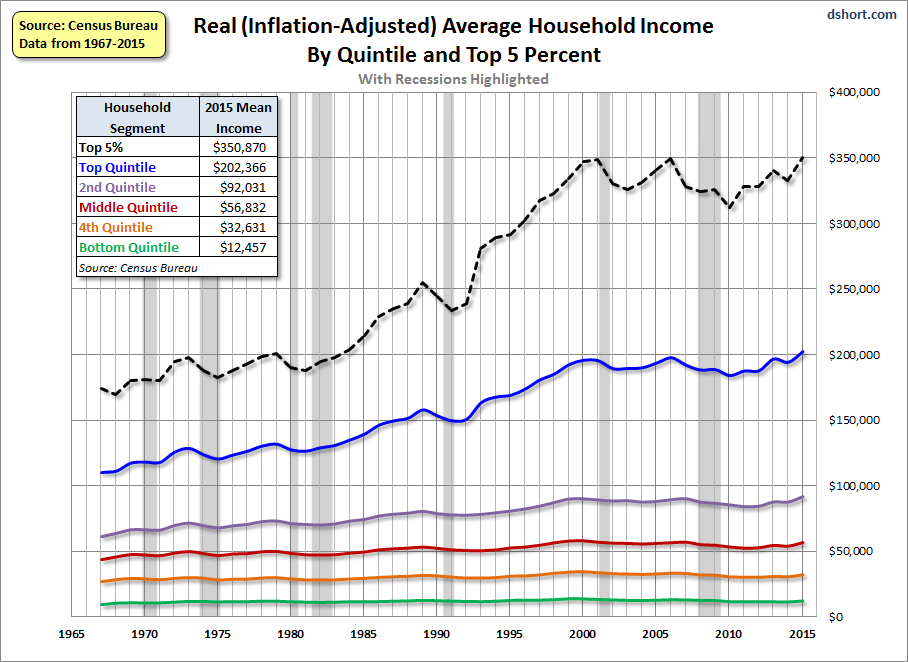
Much as the corporate entities have been struggling to alienate the public from unions and to reduce the working class in this country to that of peasantry today with cheap third world labor and imported engineers to head off the move of the sons of industrial workers going to software engineering and other STEM fields.