That's because you're missing the point. The point is to gain traction, to be heard. You keep ignoring this.
Okay, I'll address it.
Why do the small number of third party voters have more right to be hard than the same number of Republicans, or the same number of Democrats? Or if not a right, why should they be given the privilege of being heard more so than an equal number of Republicans or Democrats?
Why should our election laws be changed so that a small percent of the electorate can fell that they are being heard?
What if some other small group - say Republicans who don't like RINO's, or Republicans who don't like Trumpers - says, 'hey! I wanna vote for the Republican but I want the ballot to also have a check box that says "ONLY BECAUSE SHE ISN'T A RINO LIKE THAT RINO MITCH MCCONNEL!" or "BECAUSE HE'S ONE OF THE FEW REPUBLICANS WHO DON'T LIKE TRUMP!"
Or should Democrat voters have a box to check that says "I DON'T LIKE THIS GUY I'M VOTING FOR, BUT I DON'T WANT THE REPUBLICANS TO GET THIS SEAT!"
Should we change the election procedures so that they be heard, or gain traction?
Or should such people simply use their free speech to say exactly how they want things to be, and then vote as they please?
That's the way to be heard, and gain traction. Speak up. Be persuasive.
But some of them still see an important difference between the two, even though they don't want either. They might think that Trump is an existential threat to the nation, and want to do whatever they can to stop them. The only way they can do that with plurality voting is to guess which of Trump's opponents is most likely to win, and vote for them. Even if they don't actually support that candidate.
Congratulations to them. They are Democrats. It would true if it were vice-versa, but Democrats right now have no real policies besides hating Trump.
Most voters vote this way. So even if they prefer a third party candidate, that preference is never registered, and two party goons get to pretend that only one percent of voters prefer other alternatives.
Then the party must strive to convince the public that the "Republicrats" or "Democans" are so similar that it makes no sense to vote for either. They need to get that one percent up.
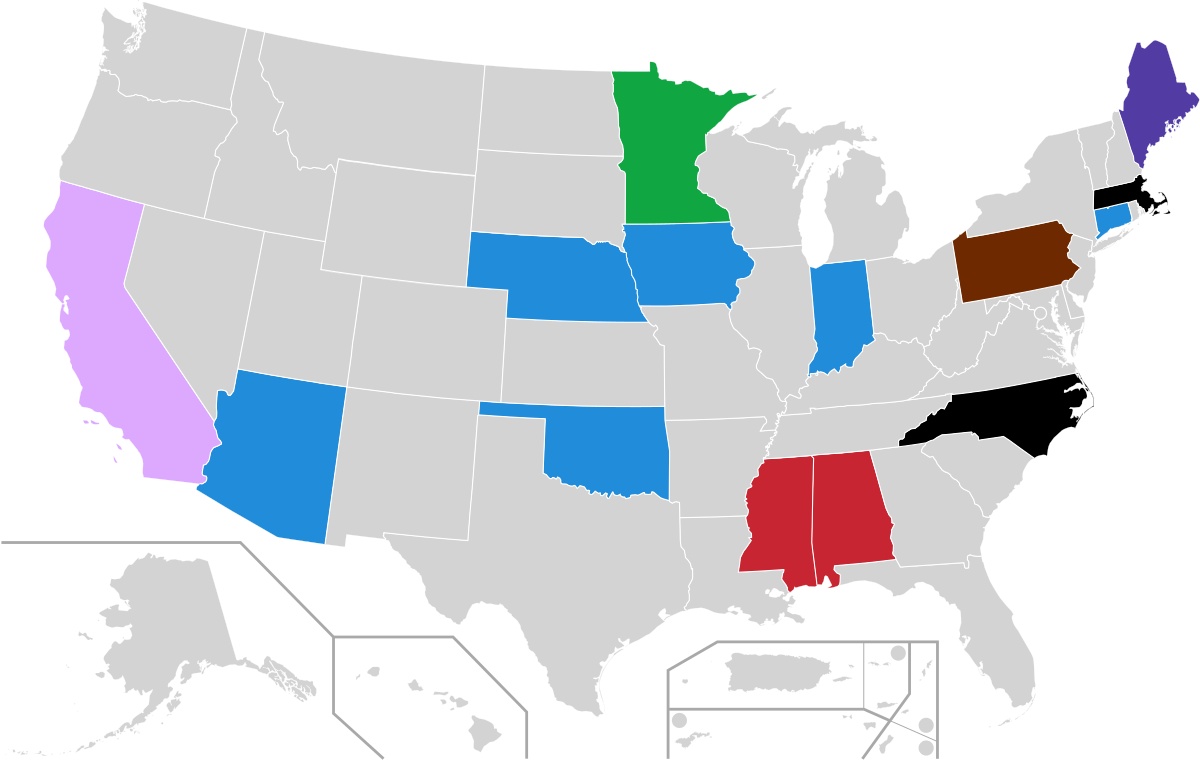
Ranked choice voting puts the lie to that claim and shows the real preferences if voters.
Yes, it would do that. I just don't see how that is important to anyone except that one percent (your figure).
Because you seem to want to advocate for a system that would give voice to small parties. If the Green and the Libertarians got one percent each of congress, that would be a big step in the right direction from your point of view.
They already are. Despite attempts to smear and misrepresent RCV, sane people are recognizing its benefits.
Then maybe your idea will gain momentem.