Early into the COVID-19 crisis, UN Women, in partnership with Arab World for Research and Development, conducted in-depth interviews with Palestinian women in the West Bank and Gaza for a new study that sheds new light on the situation and needs of Palestinian women and girls.

www.unwomen.org
Early into the COVID-19 crisis, UN Women, in partnership with Arab World for Research and Development, conducted in-depth interviews with Palestinian women in the West Bank and Gaza for a new
study that sheds new light on the situation and needs of Palestinian women and girls. More than 30 women-led organizations and woman leaders in the area participated in surveys and meetings that gathered data about women’s experiences.
In an effort to curb the spread of the new coronavirus in Palestine, a state of emergency was declared in March, followed by lockdown measures across the West Bank and Gaza.
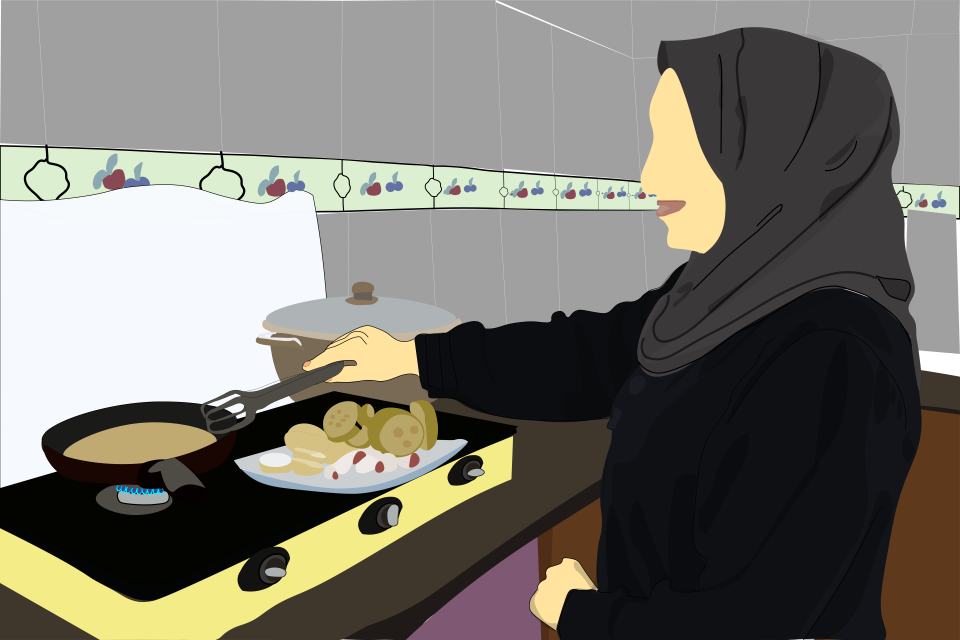
Initially, only female employees with children working in the public sector were relieved of their professional duties to care for their children, reinforcing gender stereotypes that expect women to be caregivers and men to be breadwinners. Later, even when all non-essential government employees were asked to stay home, the burden of domestic work and childcare remained with women.
We must take care of our own homes and take care of the hygiene measures. My husband is under quarantine in our house and I have moved with my kids to a neighbour’s house. I take care of all the responsibilities, the children, the cleaning, budget management, and checking in on my husband’s needs,” explains Asma* from the West Bank, another respondent to the UN Women survey.
According to the study, 68 per cent of Palestinian women have reported increased unpaid care work since COVID-19 confinement measures took effect.
The situation is even more stressful for women who are expected to work from home, because they are expected to simultaneously take care of their children and housework. When both male and female partners in a household are working remotely, men’s paid work is prioritized more than that of women.