There are three main reasons for this resurgence. First, the end, in 2014, of the US and Nato combat mission and the withdrawal of most foreign forces from Afghanistan reduced the risk the Taliban faced of being bombed and raided. The group was further emboldened by the comparative lack of interest from the international community and the diversion of its attention to crisis in other parts of the world, such as Syria, Iraq and Ukraine.
Taliban fighters took control of the provincial capital of Kunduz in September
As the Taliban have overrun military bases, district centres and security check-points in different parts of Afghanistan, they have seized more weapons and have been using them in their fight against Afghan government forces. They have also captured dozens of Humvees and police vehicles, which they now drive in areas under their control.
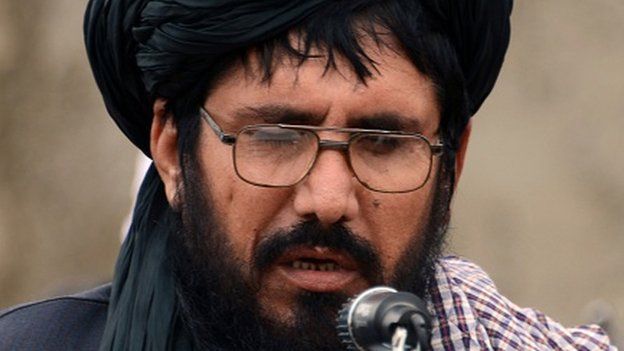
Mullah Mohammad Rasool leads the Taliban splinter group
Secondly, the Pakistani military's Operation Zarb-e-Azb, launched in the North Waziristan tribal area in June 2014, dislodged thousands of mainly Uzbek, Arab and Pakistani militants, who flooded into Afghanistan and swelled the Taliban's ranks. The Taliban also reportedly moved a big number of their own fighters from Pakistan.
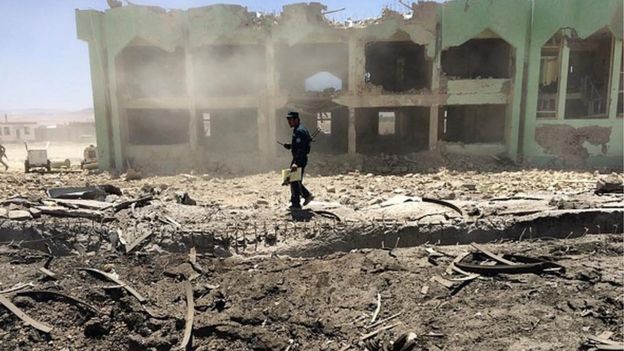
Zabul has become a centre of unrest
And finally, although the Afghan security forces have fought well against the insurgents over the past year, they lack certain capabilities and equipment especially air power and reconnaissance. The political infighting in the central government in Kabul and the apparent weakness in governance at different levels is also exploited by the Taliban.
Foreign fighters