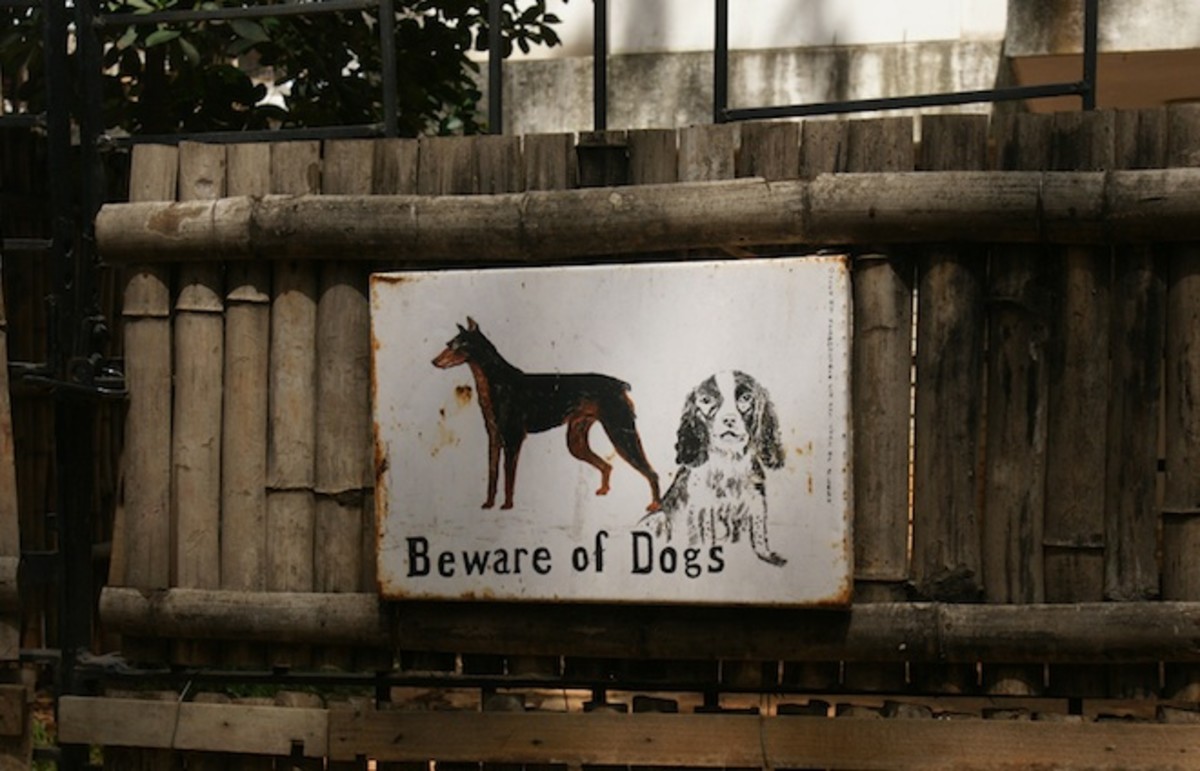
Hmmmm...
But sociologist Elijah Anderson did find some evidence of racial differences, at least among working-class whites and blacks. In his book
Streetwise, about a diverse urban neighborhood in Philadelphia, he noticed that “many working-class blacks are easily intimidated by strange dogs, either on or off the leash.” He found that “as a general rule, when blacks encounter whites with dogs in tow, they tense up and give them a wide berth, watching them closely.”
Kevin Chapman, a clinical psychologist at the University of Louisville, noticed the same anxious behavior among many African Americans that Anderson found. Chapman also discovered that nobody had explicitly investigated the incidence of cynophobia in African American populations. So in 2008, he and several colleagues conducted the first of two studies looking at the prevalence of specific fears across racial groups.
Compared to non-Hispanic whites, they found that “African Americans in particular may endorse more fears and have higher rates of specific phobias”—particularly, of strange dogs. When we spoke, Chapman offered two possible reasons. First, many dogs in low-income urban areas are trained to be what he calls “you-better-stay-away-from-our-property” guards. Being wary of those dogs makes sense—many of them
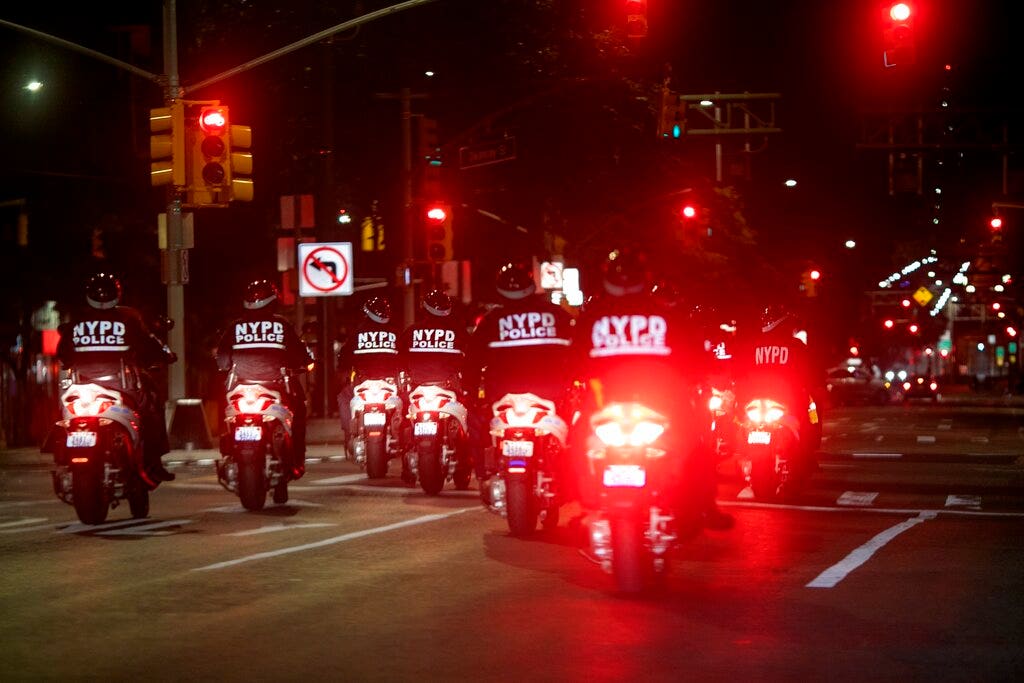
are scary. In addition, Chapman told me, there’s “the historical notion of what dogs have represented for black folks in America.” In the antebellum South, dogs were frequently used to capture escaped slaves (often by brutally mauling them), and during the civil rights era police dogs often attacked African Americans during marches or gatherings.
While more people fear snakes or spiders, with dogs everywhere, cynophobia makes everyday public life a constant challenge.

psmag.com

 www.foxnews.com