It's not really about history.
It's what exists now.

en.wikipedia.org
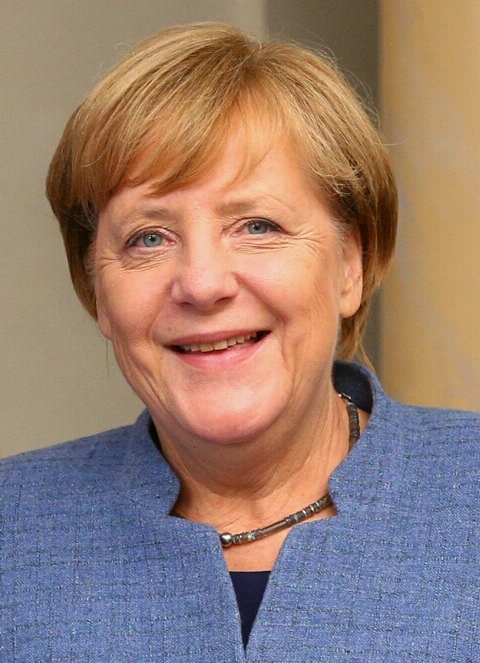
German federal election 2017. Why am I talking about Germany? Because they vote PR and FPTP at the same time.
This allows me to show you the difference in how an electoral system can change the vote.
The first point is that FPTP benefits the larger parties. People will generally decide there are only two choices, this party or that party, and any other vote is a wasted vote.
So the CDU/CSU gained 37.27% of the constituency vote. But they won 231 seats out of 299 constituency seats.
That means they won 77% of the seats with 37% of the vote. This would tell people that voting third party is pointless. So, in the US system where the main way of selecting people is FPTP, people will understand there's no point in voting for third party.
With PR the CDU/CSU got 32.9% of the vote. They lost more than 4% of the vote. Why? Because people felt they had to vote CDU/CSU with FPTP but didn't actually want to vote for them. And this is with them knowing that FPTP doesn't reflect the final make up of the Bundestag.
So, FPTP manipulates the voting. It's not the people choosing who they want to represent them, it's the system.
Clearly for the rich, this is great. They don't need to focus on every seat, just the marginal seats and that money only needs to change the minds of a few votes (who probably don't like either party) in order to gain a lot of success.
We can see with the Presidential election, that all the money goes to the marginal states. The same with Congress.
Now, the most costly US Senate seat (so, one seat among 535 seats) cost about the same, or more, than the whole of the German federal election for 709 seats in 2017 (it changes based on how to take the constituency vote and make it proportional).
Why? Because money is very important in US elections. Those small changes can have a huge impact. You can win (and Republicans are most likely to gain from this) the election without having the majority of the votes.
The will of the people is not important.
The rich control. You want to be a Congressman or woman, you might need the money because money buy success. If they're giving you money, you do their bidding.
So, US politicians are all about doing the bidding of the rich, unless they're lucky enough to not need to spend loads of money to win an election.
Explore current and historic federal campaign finance data on the new fec.gov. Look at totals and trends, and see how candidates and committees raise and spend money. When you find what you need, export results and save custom links.

www.fec.gov
One dude has spend $37 million already on a Senate seat for 2026. For example.
Democrats have embraced open borders because A) it defines them, B) they might think it gives them an advantage and C) because they do not have many consequences.
There's no other left wing party to vote for. So people are going to look at the Republicans and say "I don't like them, let's vote Democrat", rather than "I don't like either of them, let's vote someone else.
My example of this is the AfD, a further right party. The equivalent in the UK is any party run by Nigel Farage. In 2015 UKIP gained 12.6% of the vote and won one seat in the UK. The UK has FPTP like the US. In 2017 the AfD got 12.6% of the vote and won 91 seats out of 709. That's 12% of the seats.
Political parties like the Reps and Dems don't have to worry about smaller parties. When the AfD did well, it shook up the CDU/CSU, they had to change. In the UK with UKIP coming up, they didn't really change that much. Yes, there are consequences to this, because the UK is less about money than the US is. But still, the Reform Party got 14% of the vote and only 5 MPs at the last election and the next election they'll split the vote helping the left.
This is the left that with Labour and the Lib Dems got more votes in every election from 2010 to 2024 than the Tories got, except 2019 where the Tories got less than 1,000 votes more. And yet the Tories got an extra 25% of the seats.
So, the will of the people is not there. The consequences are messed up.
In the US it's even harder to get a foot up. Nigel Farage has spent 35 years trying to get elected, he finally managed it in 2024, with 4 other new MPs. In Germany he could have done this within five years.
So, you have to understand how FPTP controls the voting process. How people will end up not voting for who they want, but negatively for who they don't want, which hands the election to the Reps and Dems every time.
Which is the US's third party? It's the Green Party with 163 "other elected official", no Congressmen or women, no state congressmen or women, no presidents, no governors... just road sweeps...
Germany has 6 parties that people can choose from, it gives people power in their vote. It make politicians have to think about the people they're representing, instead of just the money.