healthmyths
Diamond Member
- Sep 19, 2011
- 30,375
- 11,954
- 1,400
- Thread starter
- #101
Yes there is a yes or no answer!It's not a yes/no answer, dipshit. It's not all or nothing. If the rewards outweigh the risks, I accept the risks. In the case of the XL Keystone pipeline, the rewards don't outweigh the risks. Most of that oil would be transported through the U.S. just to be exported. Of what benefit to the U.S. is that?
Do you favor 34 million barrels a month traveling on the ocean that during the winter is called: "Winter Hurricanes"
FACT: Historic" Bering Sea Storm slamming Alaska coast with hurricane power
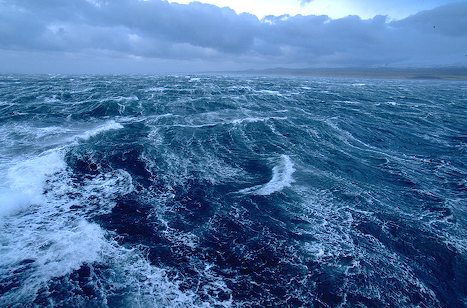
“Historic” Bering Sea Storm slamming Alaska coast with hurricane power
The historic Bering Sea storm everyone’s been talking about since Tuesday has begun to batter the coast of western Alaska, with the Bering Strait, Seward Peninsula, Norton Sound and Yukon Delta areas…
 watchers.news
Major Oil Spills in the Gulf and Other U.S. Waters
General Pipeline FAQs | PHMSA
Basic information about the use of pipelines and their contents.
 www.phmsa.dot.gov
So you tell me what the risk is with Keystone ; Current capacity: 700,000 barrels per day ;: ; Length: 2,151 miles /
or 325 barrels per mile on dry land buried.

Keystone Oil Pipeline
The Keystone Pipeline System is an oil pipeline system in Canada and the United States, commissioned in 2010 and now owned solely by TC Energy. It runs from the Western Canadian Sedimentary Basin in Alberta to refineries in Illinois and Texas, and also to oil tank farms and an oil pipeline...
 www.gem.wiki

Rebuilding America Special Report: How to Fix U.S. Infrastructure
American infrastructure is in trouble, from collapsed bridges to leaking dams. In a year-long investigation, Popular Mechanics uncovered the fresh ideas, smart engineering, and new technology we need to fix it. Here's the plan.
 www.popularmechanics.com
Hmmm... 1 million barrel oil tanker OR a pipeline carrying 325 barrels in one mile!
HMMM>>>