ReinyDays
Platinum Member
Well, its a matter of degrees. Depending how it slips, it could cause titanic waves at shore with unbelievable earthquakes that I understand will change in nature and direction depending on location and distance from shore. There could be coastal flooding miles inland with utter devastation for miles. Anything within ten miles of the shore might see anything from total devastation to significant damage!
But yeah, if you are also living on top of unstable loose fill in that general area, there is nothing I'd fear more except if Yellowstone itself went super-V on us again! Cascadia would make Mt. Saint Helens look like childsplay. Mother Earth is slowly eating up the Pacific Ocean and all that energy has to go somewhere, just glad I won't be in the Space Needle when it hits.
Cascadia slips, on average, every 300 years ... it's now been 325 years since the last earthquake there ...
If it's a full rip ... and we have about a 50/50 change of that ... the earthquake could well be the largest in seismometer history ... 9.7 Mm or 9.8 Mm ... alternately it could rip in three segments over 100 years with California-sized events ... either way, Portland is toast, that's all swampland and it's going to jiggle like jello in a Cascadia slippage, c.f. Mexico City ... I'm not as familiar with Seattle's or Vancouver's ground ... the next closest city, San Francisco, is a bit too far away ...
With a full rip, there won't be anything left for the resulting tsunami to destroy ... all the buildings, bridges, and warning systems are down ... roads blocked by landslides ... volcanoes exploding ... the good news is we have very little population on the coast ... as most of the coast here in the West is where mountains meet the sea ... most of our population is 50 to 100 miles inland ...
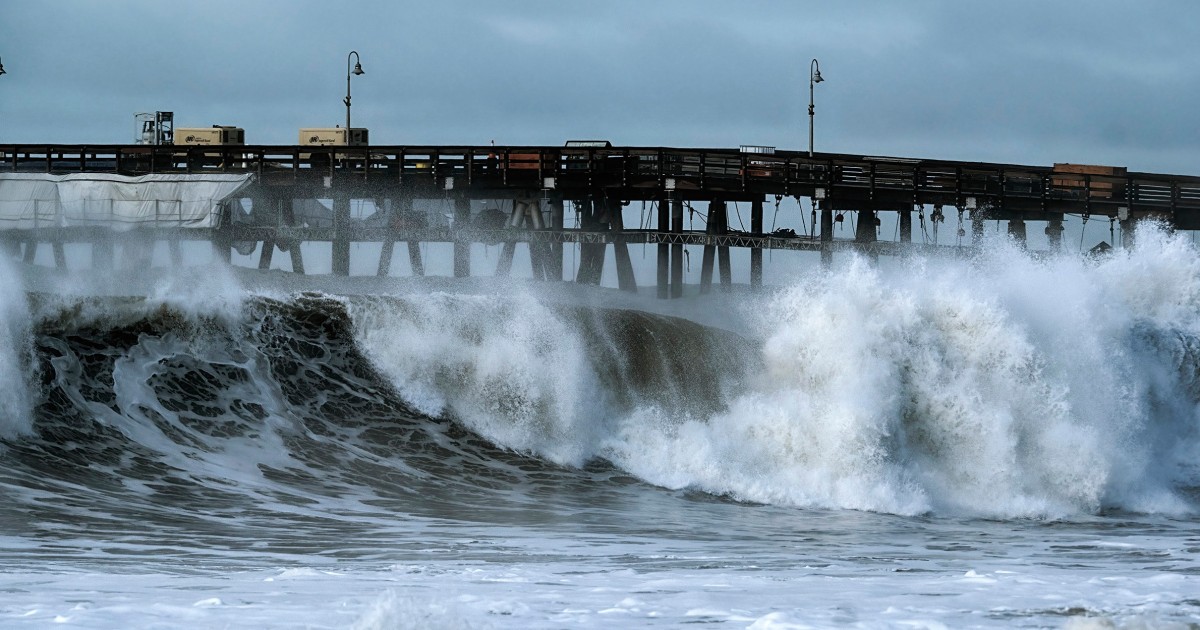
AS TO THE OP ... This has been going on in all of my memory, and before ... Bayocean is a classic example, building to close to the surf ... 30 minute PBS documentry ...
ETA: Good news ... good journalism ... everything is said in the first 30 seconds ...
Last edited: