3 requires a more critical look, as you say. That critical look should consider things like:
Is the gain from the target worth the loss of innocent life in achieving it?
I'd argue this is too vague and undefined to measure and thus too vague and undefined to be of use.
How many targets actually included militants, how were those targets were derived at?
All targets must be military objectives. Any that aren't of military value are, by definition, excluded from morally permissible.
Is there fault to be found in the algorithm or tools being used to determine targets?
If so, is there any attempt made to remedy it?
Again, too vague to be of use. How can we determine fault (error), if we have not determined the standard?
What types of weapons are being used by each side and in what surroundings
Agree. Does the weapon align with the necessity of the military objective and conform to moral standards? This suggests a number of possible measurements: precision of targeting, size of munition, blast radius, presence of civilians, type of objective.
what is being done to protect civilians and has any consideration been given to alternative means of attack to reduce what could be an unacceptable (and who defines that term) rate of civilian casualties
Agree. Have civilians been given warning and safe passage away from the conflict entirely? Have civilians been given warning and safe passage away from specific areas of active combat? Have civilians been provided with humanitarian aide as realistic under the conditions? Alternate means for achieving the SAME objective should be considered, but alternate means for achieving LESSER objectives require a different formula.
Where is the enemy choosing to place their militants
Where is the enemy storing weaponry and from where are they firing it.
Agreed. Is distinction between civilians and combatants possible? Are civilians and combatants embedded in the same structures? Are weapons stored within infrastructure that would normally be considered protected, rendering the protection invalid. Are civilians and minors active in hostilities, or being used in such a way to place them in combat? Do apparent civilians pose a risk? Is there a history of perfidy? Is infrastructure, including civilian infrastructure, subject to traps, ambushes, and IEDs? Are civilian artifacts used to lure and commit attacks?
Are there hostages involved and where.
Agree. Can hostage locations be reliably identified? Does the high-value of hostages mitigate civilian incidental harm? Does rescue and retrieval of hostages demand urgency which limits the decision-making process? Are civilians in proximity to hostages or in the same location complicit, and therefore not protected person? Does the formula for proportionality change in hostage rescue as opposed to other military objectives?
Yes, I probably am imposing some intent on Israel here but how is that any different than the intent you place on the Palestinian people as a whole?
Well, I believe I have polls to back me up on this one. Is there any evidence that the people of Gaza are trying to oust Hamas and develop more peaceful relations with Israel? If there is, you would have to show me.
Israel, on the other hand, has been very clear on intent from day one. (Well, day four, maybe.) Return the hostages. Eliminate Hamas. Prevent Gaza from every doing this again.
#7 Careless targeting lacks sufficient intent to wipe out a population, you don’t like them, you don’t particularly care.
This one really depends on how we define "careless".
#6 should, but doesn’t…if it did I would think Russia’s invasion of Ukraine would qualify.
I think 6 does. But I'd have to know more specifics about the Ukraine/Russia conflict to be able to go there.


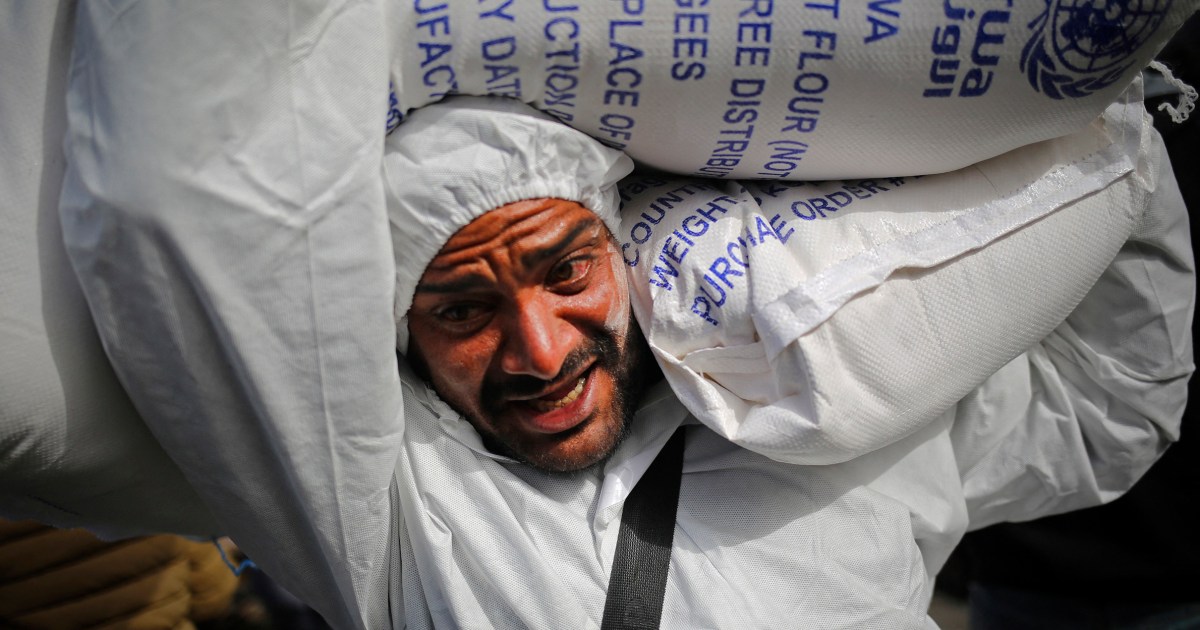


 Even Israel considers them reliable:


