
shockedcanadian
Diamond Member
- Aug 6, 2012
- 43,972
- 43,007
- 3,605
I didn't realize this until of late. The Toronto Police Services are generally known as the most corrupt and creepy in Canada, the OPP, Peel Region and Durham Region Police close behind, with their new chief a former TPS chief.
RCMP have not been leading with these initiatives. The U.S should speak to the Public Safety Minister and Sean Fraser the Justice Minister and ask why they are protecting Chinese gangs. This is not good for Canada as they go after the usual low hanging fruit that they manufacture.
 www.thebureau.news
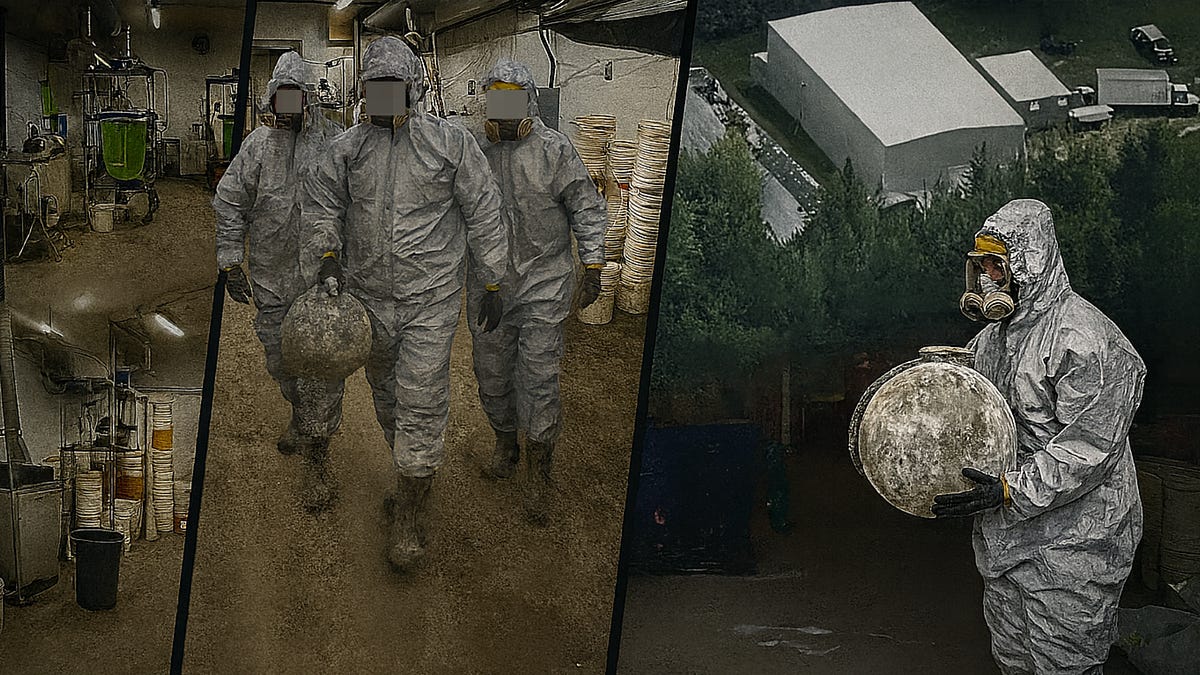
WASHINGTON — Canada’s federal police refused to investigate or cooperate with the United States Drug Enforcement Administration on a British Columbia fentanyl superlab probe tied to chemical-precursor shipments from China into Vancouver in late 2022, according to senior U.S. officials. More than a year later — only after the U.S. Treasury sanctioned Iranian-Canadian businessman Bahman Djebelibak and his Health Canada–licensed company Valerian Labs, naming them as part of a Chinese fentanyl trafficking syndicate that Washington sought to disrupt — did the RCMP finally open a siloed investigation. The force continued to refuse coordination or information sharing with the American agents who had initiated the case. In an exclusive interview, Derek Maltz, DEA Acting Administrator in 2025 with oversight of the matter, called the B.C. superlab case a “major disaster.”
This explosive information, confirmed to The Bureau by current and former senior U.S. officials, has never before been reported in the Falkland, B.C., superlab case, which was covered internationally by outlets including The New York Times. It amounts to a rare public rebuke that elevates the matter from a Canadian policing failure into a high-consequence geopolitical dispute.
It also helps explain Washington’s decision on July 31 to impose 35 percent tariffs on Canada, reinforcing President Donald Trump’s claim that senior officials had warned him Ottawa failed to cooperate or devote sufficient resources to interdictions against Chinese- and Mexican-linked drug trafficking networks blamed for killing hundreds of thousands of North Americans. Three weeks ago, in a statement underscoring intelligence tied to the Falkland lab case, the White House said: “Mexican cartels are increasingly operating fentanyl labs in Canada.” It added: “Canada-based drug trafficking organizations maintain robust ‘super labs,’ mostly in rural and dense areas in western Canada, some of which can produce 44 to 66 pounds of fentanyl weekly.”
RCMP have not been leading with these initiatives. The U.S should speak to the Public Safety Minister and Sean Fraser the Justice Minister and ask why they are protecting Chinese gangs. This is not good for Canada as they go after the usual low hanging fruit that they manufacture.
Inside the Falkland Superlab: How RCMP Refusals to Cooperate With the DEA Fueled a Cross-Border Tariff Crisis
U.S. officials say RCMP stonewalling on the Chinese-precursor-supplied Falkland superlab — described by DEA chief Derek Maltz as a “major disaster” — among the reasons behind Trump’s punitive tariffs
www.thebureau.news
WASHINGTON — Canada’s federal police refused to investigate or cooperate with the United States Drug Enforcement Administration on a British Columbia fentanyl superlab probe tied to chemical-precursor shipments from China into Vancouver in late 2022, according to senior U.S. officials. More than a year later — only after the U.S. Treasury sanctioned Iranian-Canadian businessman Bahman Djebelibak and his Health Canada–licensed company Valerian Labs, naming them as part of a Chinese fentanyl trafficking syndicate that Washington sought to disrupt — did the RCMP finally open a siloed investigation. The force continued to refuse coordination or information sharing with the American agents who had initiated the case. In an exclusive interview, Derek Maltz, DEA Acting Administrator in 2025 with oversight of the matter, called the B.C. superlab case a “major disaster.”
This explosive information, confirmed to The Bureau by current and former senior U.S. officials, has never before been reported in the Falkland, B.C., superlab case, which was covered internationally by outlets including The New York Times. It amounts to a rare public rebuke that elevates the matter from a Canadian policing failure into a high-consequence geopolitical dispute.
It also helps explain Washington’s decision on July 31 to impose 35 percent tariffs on Canada, reinforcing President Donald Trump’s claim that senior officials had warned him Ottawa failed to cooperate or devote sufficient resources to interdictions against Chinese- and Mexican-linked drug trafficking networks blamed for killing hundreds of thousands of North Americans. Three weeks ago, in a statement underscoring intelligence tied to the Falkland lab case, the White House said: “Mexican cartels are increasingly operating fentanyl labs in Canada.” It added: “Canada-based drug trafficking organizations maintain robust ‘super labs,’ mostly in rural and dense areas in western Canada, some of which can produce 44 to 66 pounds of fentanyl weekly.”


