JoeB131
Diamond Member
Not true. An old cop out reply by Arabists The "thousands" were many from outside Palestine and most deserted after getting the weapons. And it was Jews who paid monet, so that the 9,000 Arabs [a tiny feaction of its population] get enlisted.
It was many more zionist Jews who fought to the end.
Bullshit, about 12,000 Palestinians fought for the British.
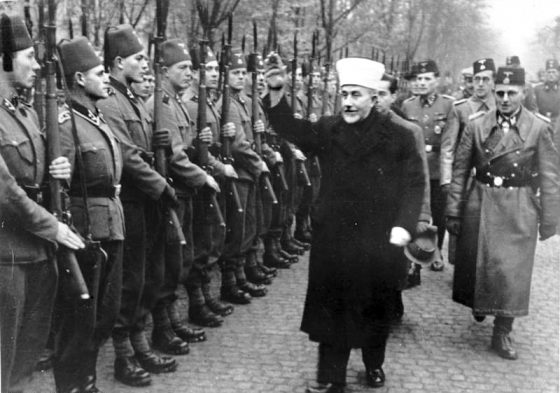
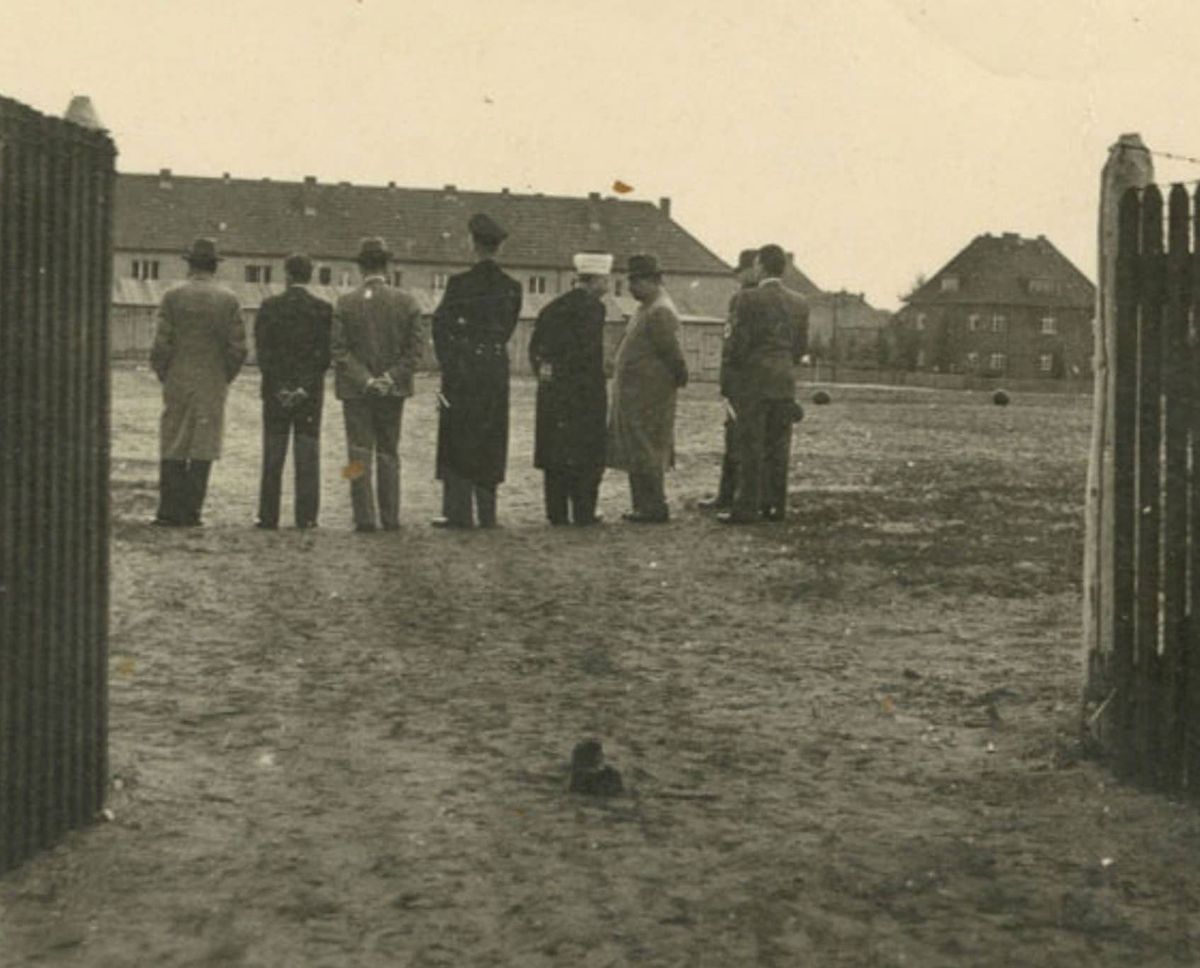
During the Second World War about 12,000 Palestinians volunteered to serve in the British army. These volunteers participated actively in battles in North Africa and Europe. Many of them lost their lives, others were wounded and many are still missing. It is interesting that despite this vital contribution of the Palestinian people and their leadership in the war against the Nazis especially among the opposition parties, the attention of historians was mostly directed towards the meeting held between the Mufti of Jerusalem and Hitler. This article explores in depth the contribution of the Palestinian volunteers to the British war effort during the Second World War from the beginning until its end.
The Arabs were admiring Hitler already since the early 1930s.
This is an example from 1934
Do you know who else admired Hitler in 1934? Most of the West. Most of the west looked at Hitler and said, "Thank God the Communists aren't taking over Germany, because our workers might start getting ideas!"

Making friends with Hitler: Britain’s pre-war admiration for the Nazi dictator
By the end of the Second World War, Hitler's name was a byword for evil, yet in the 1930s he was just another European statesman, writes Ian Kershaw. Many in Britain admired his work in bringing economic revival to Germany and were keen for an understanding between the two countries...
www.historyextra.com
With the benefit of hindsight, it seems odd that anyone in Britain would have wanted to make friends with Adolf Hitler, the most recognisable face of evil in the 20th century. But in the 1930s, many people in this country looked to Hitler with admiration. He was applauded, like Mussolini, for restoring order and national pride, bringing economic revival, and, not least, for suppressing the Left and forming a bulwark against the menace of Bolshevism. Admiration was not confined to the fanatics who supported the British Union of Fascists. Hitler had also impressed others in high places, those among the social and political elite of the land.
Their hopes of befriending Hitler were not identical with the wider sector of influential opinion which sought an accommodation with Germany through growing recognition of Britain’s military weakness. But befriending and accommodating were related strands of appeasement – a policy of avoiding war through concessions to Hitler. It was a policy which later, once it had failed, carried the badge of national shame, and was associated with the government’s “guilty men” who had not given Britain adequate defences and tackled the Nazi threat in time. But for most of the 1930s, appeasement had enjoyed wide support – and not just among Conservatives. Making friends with Hitler, or buying him off, seemed to offer the best prospect of avoiding another war. And, with the horrors of the First World War of 1914–18 fresh in the mind, that was what most people wanted above all.