LibertyWeeps
Diamond Member
- Dec 6, 2025
- 2,983
- 3,421
- 1,918
What are you doing for St. Pattys Day?
Follow along with the video below to see how to install our site as a web app on your home screen.
Note: This feature may not be available in some browsers.


| Practice | Origin / Reason in U.S. context |
|---|---|
| Large urban parades | Irish immigrants asserting presence and pride in cities like New York and Chicago.pbs+2 |
| Corned beef and cabbage | Cheaper substitute for ham for poor Irish immigrants in New York; became a holiday staple.mentalfloss+1 |
| Green beer | Early 20th‑century gimmick at a New York social club, not an old Irish tradition.[mentalfloss] |
| Nationwide mass festivities | 19th–20th century growth as Irish Americans gained numbers and influence.news.miami+1 |


Erin go braugh!!!View attachment 1231799
View attachment 1231800
View attachment 1231801
View attachment 1231803
View attachment 1231804
What are you doing for St. Pattys Day?
.View attachment 1231799
View attachment 1231800
View attachment 1231801
View attachment 1231803
View attachment 1231804
What are you doing for St. Pattys Day?
The Irish famines saw a lot of Irish that could afford it, coming to the USA to live and make a new life.Perplexity.ai
St. Patrick’s Day in the U.S. is fundamentally about expressing Irish identity, turning a Catholic feast day for Ireland’s patron saint into a public assertion of pride, belonging, and cultural visibility in American life.pbs+2
How it started in the U.S.
- The religious feast of St. Patrick came from Ireland, but early large-scale public celebrations actually developed in North America, not in Ireland itself.news.miami+2
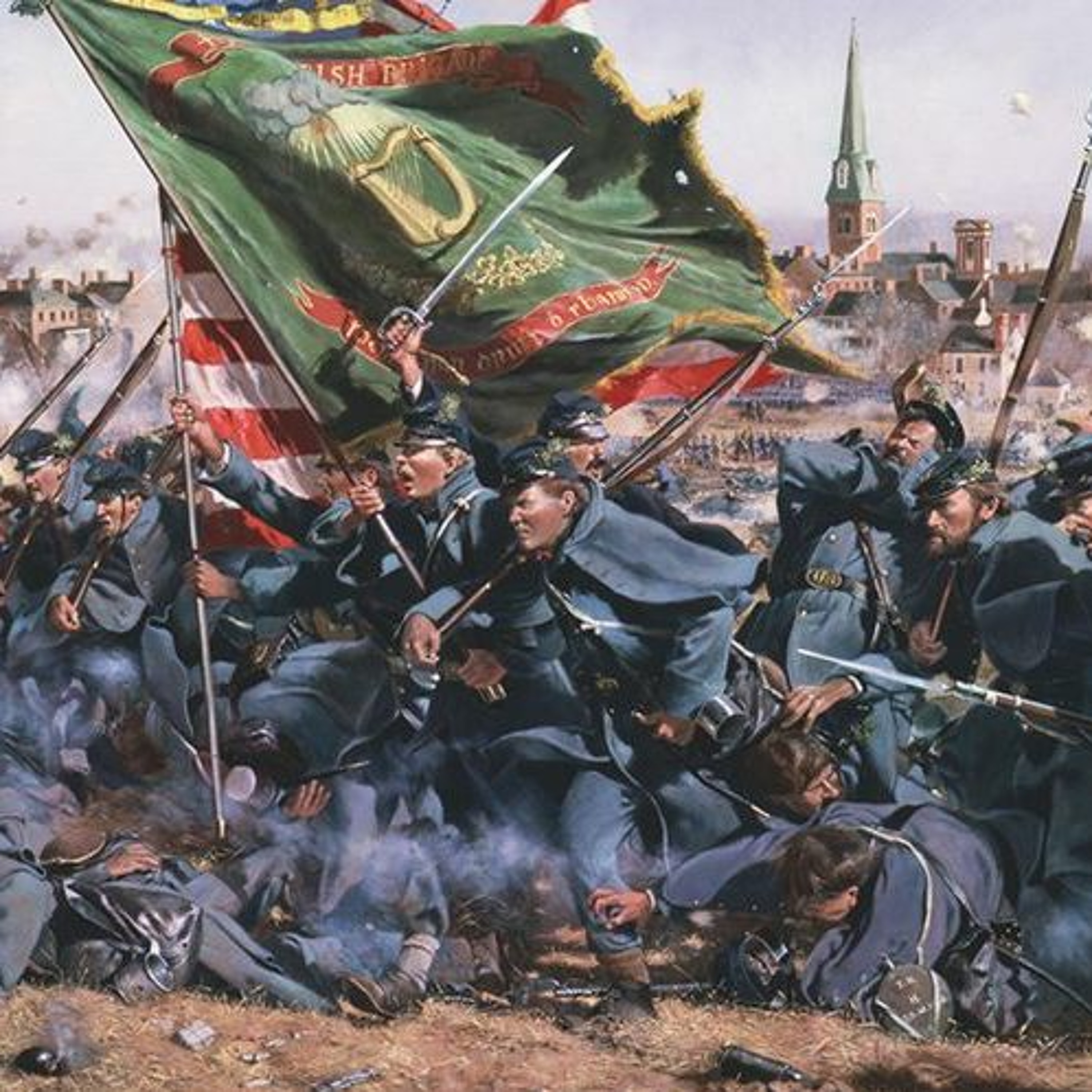
- Irish soldiers serving in the British Army in colonial New York held a St. Patrick’s Day parade as early as 1762, marching through Manhattan and publicly marking their identity.mentalfloss+2
- In the 19th century, mass Irish immigration (especially during and after the Great Famine) created large urban Irish Catholic communities in places like Boston, New York, and Chicago, which used March 17 as a focal day to gather, worship, and organize.news.illinois+2
Baseline principle in the American context
- In Ireland, the day remained for a long time a more modest, religious observance centered on church and a feast, rather than raucous public spectacle.latimes+2
- In the U.S., the baseline principle became: “We are here, we are Irish (and Catholic), and we belong,” using parades and civic rituals to counter nativist hostility and stereotypes.bbc+2
- These parades and events functioned as demonstrations of community strength and respectability, signaling that Irish Americans were an organized, enduring part of the city and its politics.cbsnews+2
Identity and power illustration
- Historians note that parades declared: “We’re here, we’re proud of our culture, and we’re not going anywhere,” turning a feast day into a yearly claim on urban space and political voice.news.illinois+1
- Participation by non-Irish elites (for example, George Washington joining an Irish-friendly society) showed how the holiday also became a bridge between Irishness and American civic identity.[cbsnews]
Why it became so big in America
- Irish immigrants faced intense discrimination and exclusion, so they built dense networks around Catholic parishes, Democratic Party machines, and unions; St. Patrick’s Day was a visible outlet for that defensive, tightly knit urban culture.latimes+2
- Over time, as Irish Americans rose in politics and public life, the parades evolved from rowdy, contested displays into more orderly, mainstream civic rituals showcasing a successful ethnic group.bbc+2
- Many popular “traditions” (big parades, green beer, and even corned beef and cabbage as a signature meal) were either created or reshaped in the U.S., reflecting immigrant adaptation rather than old-country custom.news.miami+2
American-invented customs table
Practice Origin / Reason in U.S. context Large urban parades Irish immigrants asserting presence and pride in cities like New York and Chicago.pbs+2 Corned beef and cabbage Cheaper substitute for ham for poor Irish immigrants in New York; became a holiday staple.mentalfloss+1 Green beer Early 20th‑century gimmick at a New York social club, not an old Irish tradition.[mentalfloss] Nationwide mass festivities 19th–20th century growth as Irish Americans gained numbers and influence.news.miami+1 Why the U.S. still celebrates it today
- For people of Irish descent, March 17 remains a day of heritage pride—wearing green, displaying shamrocks, and celebrating a story of resiliency from marginalization to integration.news.miami+2
- The holiday has broadened into a general celebration of “Irishness” that welcomes non-Irish participants, reflecting an American pattern of turning ethnic festivals into shared civic events.pbs+2
- Commercial and social forces reinforce its persistence: businesses market themed food, drink, and merchandise, and millions participate annually, spending billions of dollars, which keeps the holiday highly visible.[youtube][news.miami]
- More broadly, it endures because it fits a familiar American pattern: once-despised immigrant groups use a feast day to claim space, then the wider society adopts the festival as part of the national calendar.news.illinois+2
I've always wanted to eat some REAL Irish cooking. I love corned beef and cabbage AND potatoes!!!!!.
OMG! I wish I knew how to cook a corned beef brisket! My mother-in-law's corned beef and cabbage was astounding!
.
.I've always wanted to eat some REAL Irish cooking. I love corned beef and cabbage AND potatoes!!!!!
It just has to be better than Brit food...Please tell me it is..
I've dined a few times at TS McHugh's in Seattle, and enjoyed brilliant Irish cuisine! If you're ever in Seattle, it's worth it to eat there.
.