Watch now easily I destroy your lie:
NFBW WROTE: YOU CAN NEVER DESTROY FACTS WITH YOUR LIES. Here is what ACLED ‘really” published.
Demonstrations and Disinformation
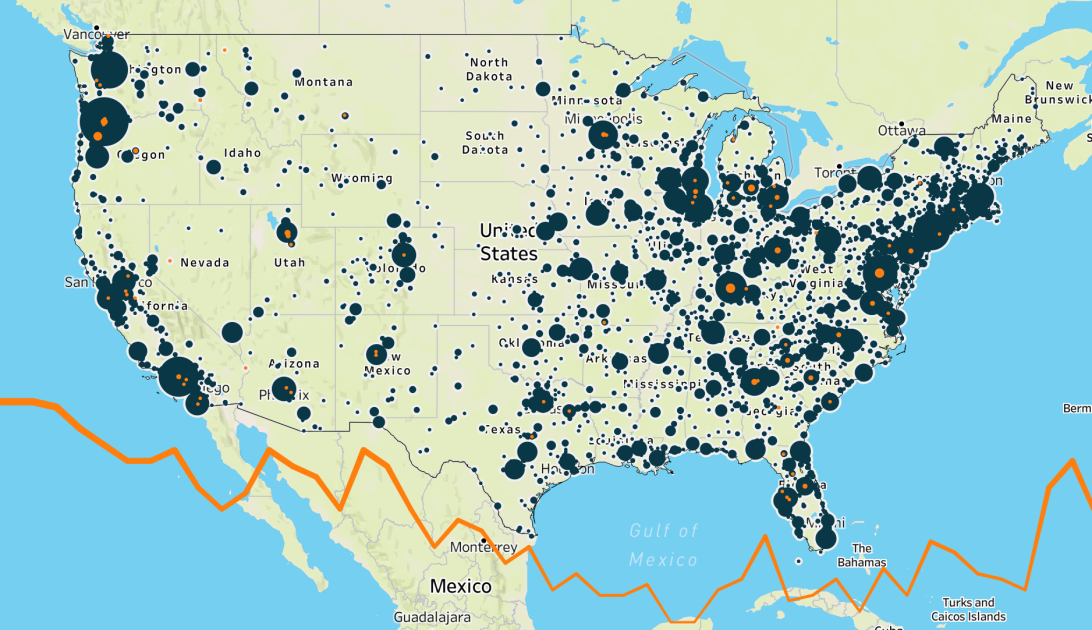
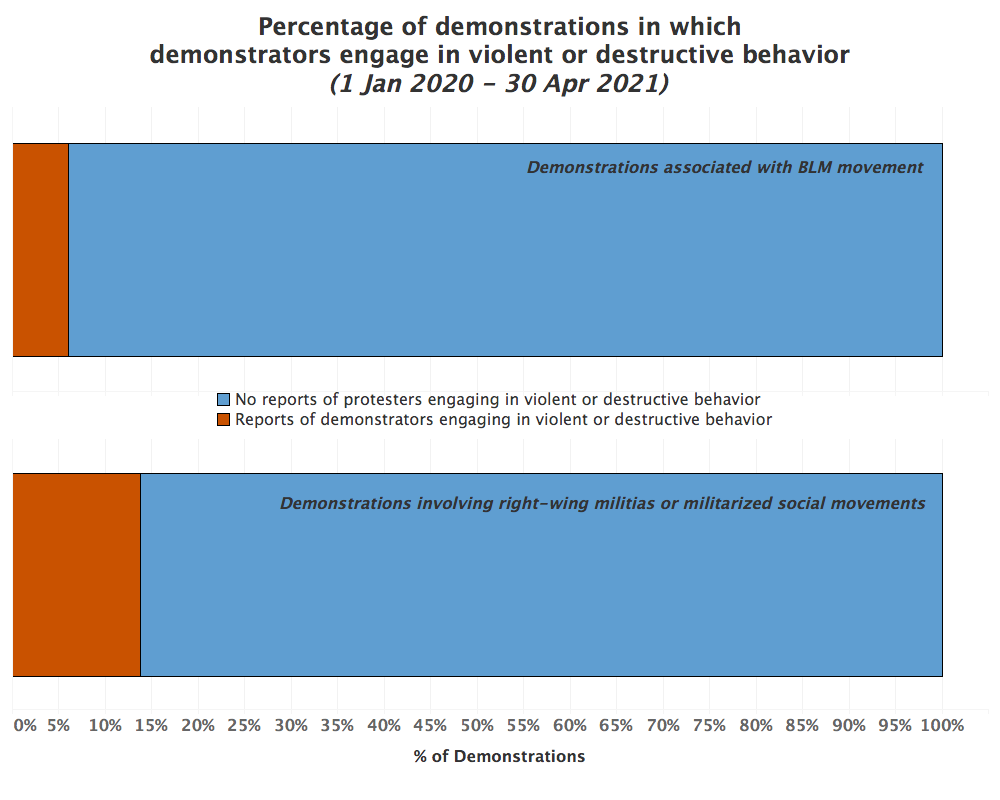
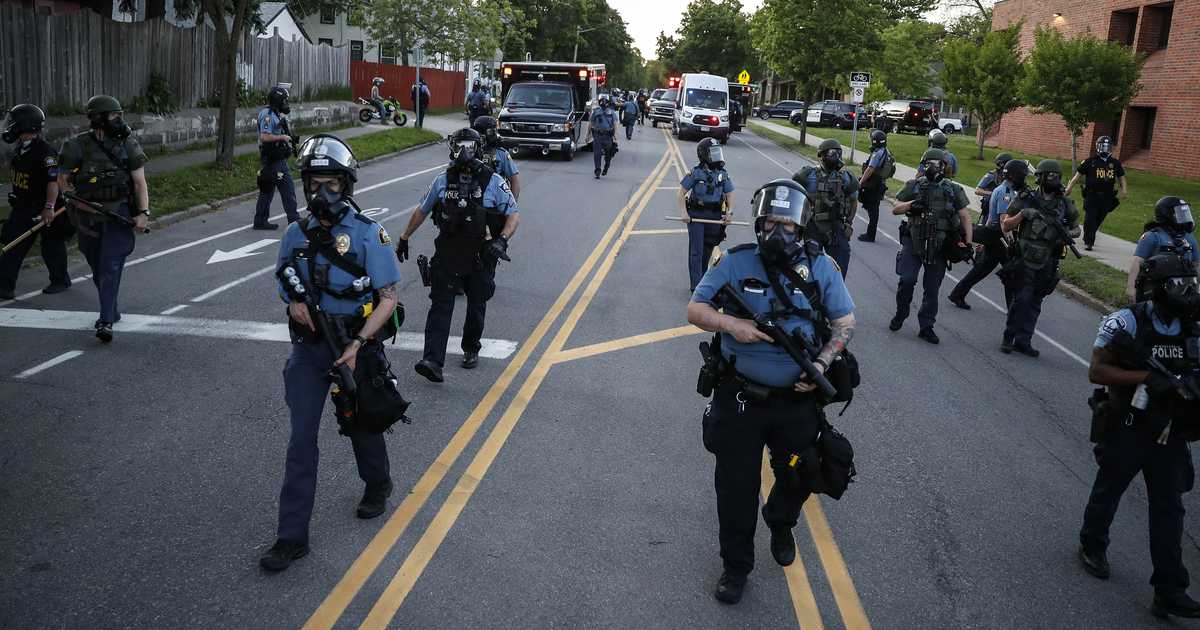
ACLED data show that the overwhelming majority of demonstrations associated with the BLM movement have been peaceful. Approximately 94% of all pro-BLM demonstrations have been non-violent, with 6% involving reports of violence, clashes with police, vandalism, looting, or other destructive activity. Of that remaining 6%, it is not clear who instigated the violent or destructive activity.4 While some cases of violence or looting have been provoked by demonstrators, other events have escalated as a result of aggressive police action, intervention from right-wing armed groups, and individual car-ramming attacks
(see next section). In contrast to the BLM movement, demonstrations involving right-wing militias or militant social movements (MSMs) — such as the Proud Boys, Oath Keepers, or the Three Percenters, among others — have turned violent or destructive over twice as often, or nearly 14% of the time
(see graph below).
Initial surveys of American adults pointed to widespread support for the BLM movement across racial and political lines. According to a Pew survey, 67% of all adults — including 60% of white Americans, 86% of Black Americans, and 40% of Republicans — surveyed between 4 June and 10 June 2020, during the immediate aftermath of Floyd’s killing, supported the movement (
Pew Research, 12 June 2020). Yet public approval waned over the ensuing months. By September 2020, support dropped to 55% of all adults, with less than half of white Americans and 19% of Republicans supporting the movement. Only among Black Americans did support increase, by 1% (
Pew Research, 16 September 2020).
Reports indicate that the decline in support, especially among Republicans, was linked to a right-wing campaign to amplify destructive behavior on the fringes of demonstrations associated with the movement, and to paint BLM-related activity as centrally organized, violent, and dangerous (
Intercept, 13 May 2021). This campaign appeared to have a clear effect on public opinion: the perception that the movement was predominantly destructive actually
increased despite the proportion of demonstrations involving violent activity
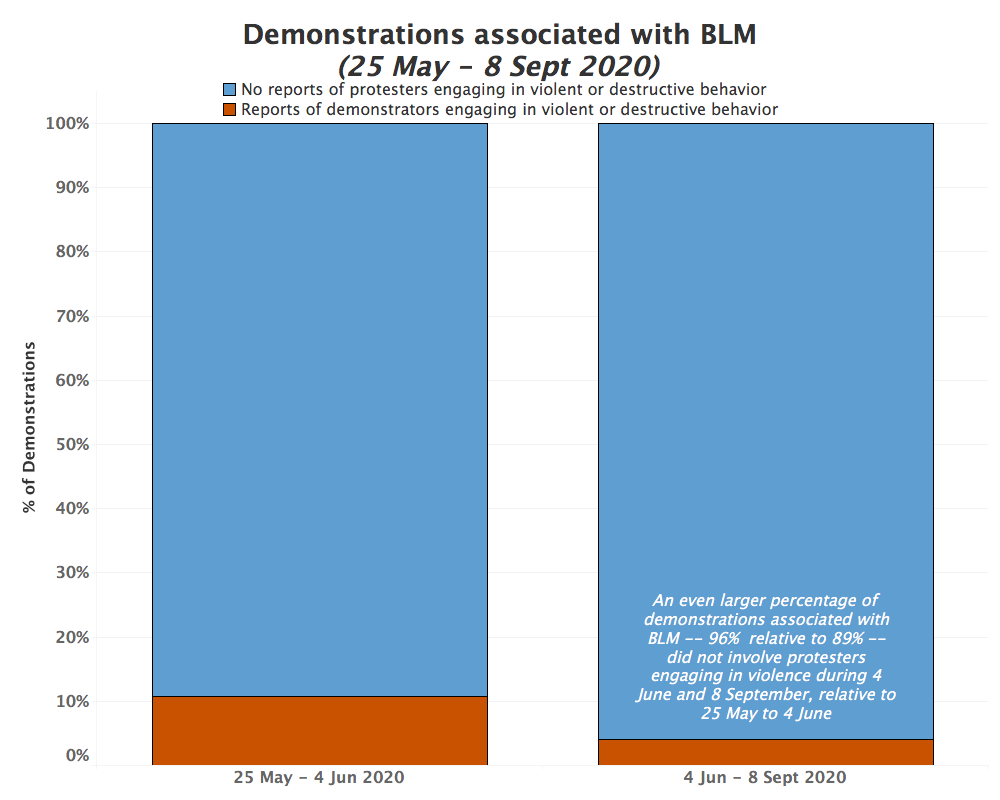
decreasing since the initial burst of unrest immediately following Floyd’s killing. From 25 May to 4 June 2020, when the first Pew survey was conducted, ACLED data show that 89% of all demonstrations associated with BLM had been non-violent. However, between 4 June and 8 September 2020, when the second Pew survey was conducted and found a significant drop in support, ACLED data show that more than 96% of all demonstrations associated with the movement were non-violent (
see graph below). In short, support for the movement declined considerably despite a significant increase in the proportion of peaceful events.
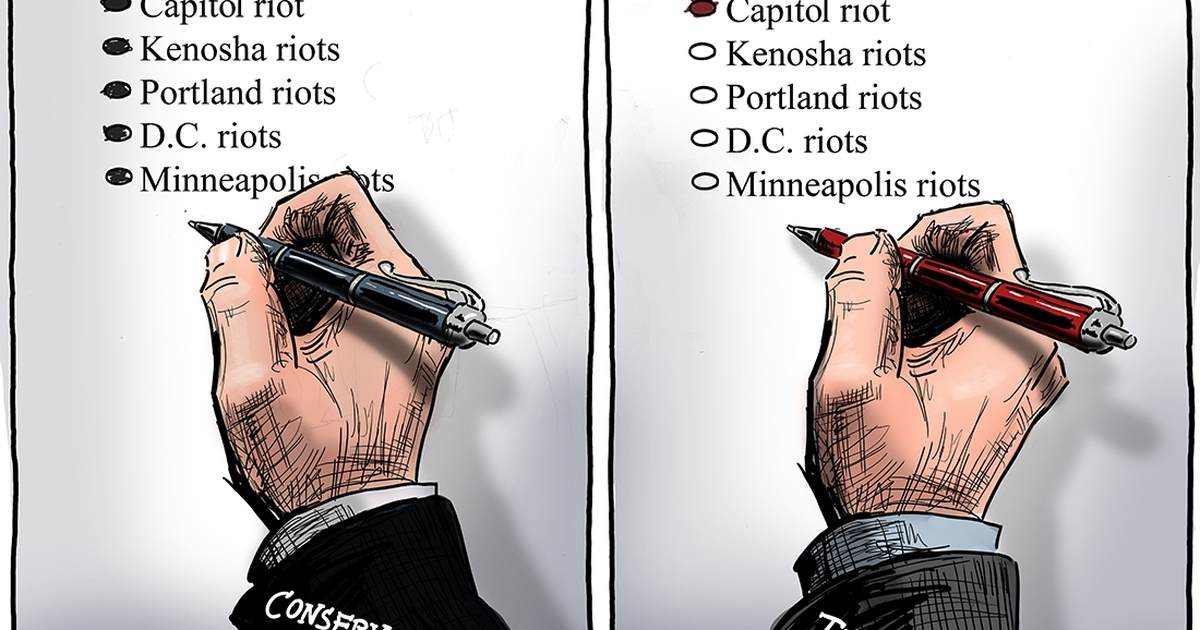
The push to portray the demonstrations as inherently violent and more dangerous than other social movements became a defining position for the Republican Party and a major talking point in the reelection campaign of then-President Donald Trump. Although the US Office of Special Counsel determined the BLM movement was apolitical in July 2020 (
USA Today, 17 July 2020), the BLM movement nevertheless became a highly contentious and partisan issue. In late June 2020, Trump accused a New York-based BLM activist of “Treason, Sedition, Insurrection!” on Twitter (
Washington Post, 25 June 2020). By the beginning of July 2020, Trump began referring to the BLM movement as a “symbol of hate” (
BBC, 2 July 2020). He later tweeted violent videos inaccurately or misleadingly attributing blame to BLM and intentionally conflating the movement with anarchists and ‘Antifa’ (
Washington Post, 1 September 2020). By August 2020, the BLM movement was a primary topic at the Republican National Convention. Mark and Patricia McCloskey, a St. Louis couple who gained both notoriety and felony charges for brandishing weapons at peaceful pro-BLM demonstrators, spoke about “fearing death” during the protest and alleged that the demonstrators “are not satisfied spreading chaos and violence into our cities” (
Youtube, 24 August 2020;
Washington Post, 25 August 2020). When speaking at the convention two days later, Trump’s personal lawyer Rudy Giuliani portrayed the BLM movement as a violent menace to the safety of all Americans, especially those in the suburbs, and called the election a choice between law and order and mayhem (
LA Times, 27 August 2020). In the months preceding the 2020 presidential election, Trump defended Kyle Rittenhouse, a minor who was illegally armed and killed two pro-BLM demonstrators in Kenosha, Wisconsin (
CNN, 27 August 2020;
USA Today, 31 August 2020). More recently, in May 2021, Mark McCloskey announced a Senate run in Missouri, campaigning on a platform that promises to defend America against “the mob” that is BLM (
NBC News, 18 May 2021).


thefrontierpost.com
townhall.com