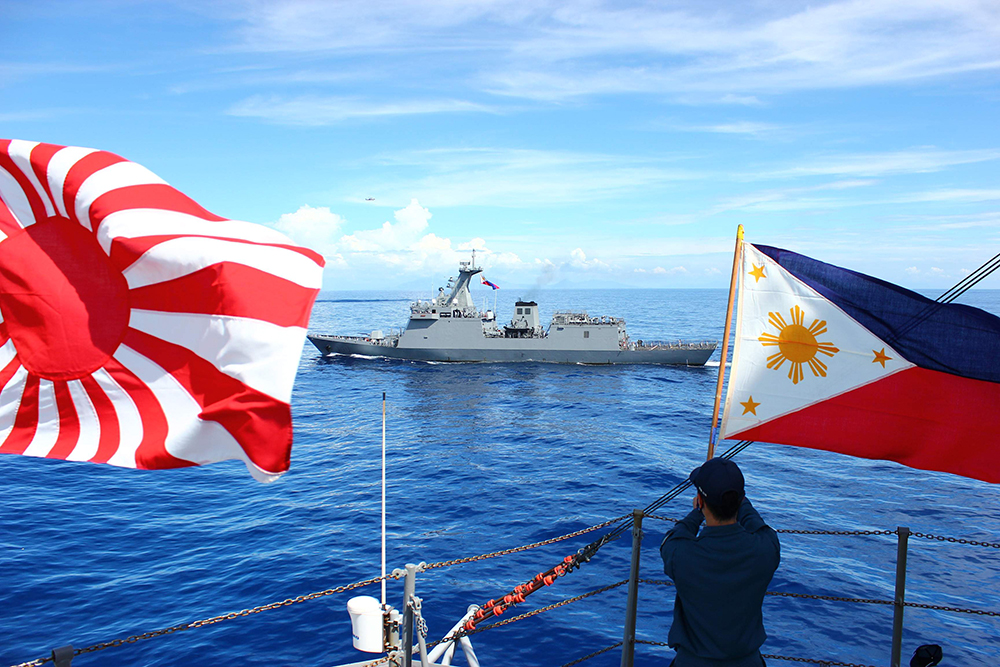
This is actually about countering China in the South China Sea. The used warships will likely be transferred to Manila in a "stripped-down" condition, removing certain offensive weapons to comply with its defense export laws. Takaichi is not very enthusiastic about sending weapons to Ukraine unlike some European liberals.
Japan, like the Philippines, has concerns about China’s growing maritime assertiveness and encroaching claims in disputed regional waters. Tokyo’s supply of secondhand ships to Manila will allow it to indirectly counter China’s naval buildup while improving defense ties with a like-minded neighbor. As Japan modernizes and expands its fleet, such handoffs of older equipment could become a viable route to building regional partnerships that stymie Chinese interests at sea.
While the six Abukuma-class destroyer escorts wouldn’t fundamentally change the power calculus in the South China Sea, they would contribute to an improved security posture for the Philippine Navy and enable greater operational activity than Manila is currently capable of. Though not equipped with as many modern systems, the Abukuma class is comparable in size, speed and range to the Jose Rizal class. Age aside, these ships would be an asset for the Philippine Navy, allowing it to conduct longer-range patrols and sovereignty enforcement missions without risking or overtaxing its premier frigates. These ships are also fitted for anti-submarine warfare (ASW), a critical warfighting dimension in the shallow waters of the South China Sea, where China’s expanding submarine fleet conducts regular patrols.
Japanese media revealed on July 6 that Japan plans to transfer its Abukuma-class destroyer escorts to the Philippines, potentially marking the first such export in modern Japanese history. Media reports …

dsm.forecastinternational.com

 Japan. The
  Moscow empire is dying; the only question is how much of Outer Manchuria and Eastern Siberia Japan, the USA, and Canada will take back