Yes, Carter's Ban of Iranians was About National Security
"Iranian students in the United States instructing them to commence terrorist activities by planting bombs"
December 9, 2015
Daniel Greenfield
My
piece yesterday on how Jimmy Carter responded to the hostage
crisis in Iran by issuing a ban on Iranians coming to the United States has gone viral. It's been
cited by NewsMax,
Rush Limbaugh and many others.
On the other side of the coin, it's been hit with attacks from the left. Either way this part of American history has stirred a lot of interest. So let's take a closer look at what really happened.
President Carter ordered a number of responses to the hostage crisis.
One of these was that, "Fourth, the Secretary of Treasury [State] and the Attorney General will invalidate all visas issued to Iranian citizens for future entry into the United States, effective today. We will not reissue visas, nor will we issue new visas, except for compelling and proven humanitarian reasons or where the national interest of our own country requires. This directive will be interpreted very strictly."
Not only were Iranians barred from entering the United States, but the large number of Iranian students already in the country were ordered to immediately report to the INS. They were asked about their support for Khomeini and feelings about the United States.
The ACLU and other left-wing groups accused Carter of violating the First Amendment. A lawsuit was filed claiming that "the primary purpose of the regulation at issue was both to punish Iranian students in the United States for past demonstrations and to chill the future exercise of their rights of speech, association, and assembly."
A Carter judge overturned the law, but it was upheld by a Federal Appeals Court and the Supreme Court declined to review the case. (A "Fact Check" at a site called FlaglerLive by Pierre Tristam claims, "It did not outlive the first glance by a judge barely three weeks after implementation." That is completely untrue.)
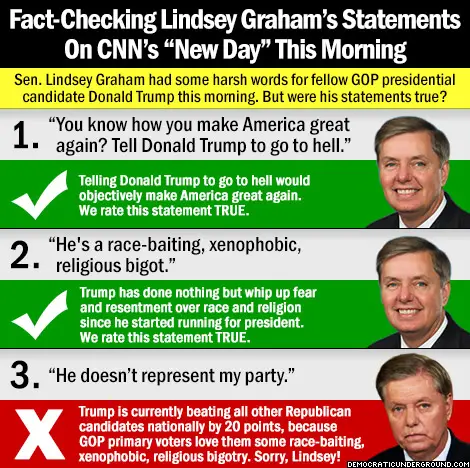
His response to the problem of Islamic terrorism echoed Trump's response and proposals for a moratorium on immigration by other candidates such as Ted Cruz and Rand Paul.
Like Trump, Carter was even accused of "fearmongering" and of engaging in a "witch hunt" and violating the First Amendment.
Critics have complained that the measure targeted nationality rather than religion. But efforts were made to aid Jews, Christians and other minorities to exempt them from the consequences of the measure and bring them to the United States.
The entire crisis had been caused by the Islamic Revolution's takeover of Iran and its propensity for Islamic terrorism. The attempt to claim that it was a response to a national threat, rather than the reality of religious terrorism, ignores what actually took place.
The Islamic State's terror is just Iran's Islamic Revolution on a larger transnational scale. Sunni Islam is more widespread than Iran's Shiite Islam and the footprint of Islamic terrorists, both those associated with ISIS and with rival terror groups including Al Qaeda, is much larger. The scale of the problem has transcended any single nation, but Trump's proposal echoes that of Carter.
When dealing with Islamists, the term "nationality" has little practical meaning. Islamists define themselves by religion, not by nationality. They do not view conflicts with America as a war between nations, but a war between Islam and the Great Satan.
Carter was responding to the Islamic Revolution's attacks on Americans. But he was also addressing concerns about terrorism by Iranian students in the United States, escalating violence between Iranian students and American students and worries that access to the US embassy in Tehran would enable Iranians to arrive with forged documents to carry out attacks in America.
Critics of my piece have claimed that this was purely a state-to-state response. For example, Kim LaCapria at Snopes writes, "Carter's fourth sanction pertaining to visas for Iranian nationals was in no way a security measure".
...
Yes, Carter's Ban of Iranians was About National Security