Country Summary: Kidnapping is widespread, and victims regularly include U.S. citizens. Kidnappers may use sophisticated planning or take advantage of unplanned opportunities, and even convoys have been attacked. Kidnapping cases often involve ransom negotiations and U.S. citizen victims have been physically harmed during kidnappings. Victim’s families have paid thousands of dollars to rescue their family members.
Violent crime, often involving the use of firearms, such as armed robbery, carjackings, and kidnappings for ransom that include U.S. citizens are common. Mob killings against presumed criminals have been on the rise since late April. Travelers are sometimes followed and violently attacked and robbed shortly after leaving the Port-au-Prince international airport. Robbers and carjackers also attack private vehicles stuck in heavy traffic congestion and often target lone drivers, particularly women. As a result, the U.S. Embassy requires its personnel to use official transportation to and from the airport.
Protests, demonstrations, tire burning, and roadblocks are frequent, unpredictable, and can turn violent. The U.S. government is extremely limited in its ability to provide emergency services to U.S. citizens in Haiti – assistance on site is available only from local authorities (Haitian National Police and ambulance services). Local police generally lack the resources to respond effectively to serious criminal incidents. Shortages of gasoline, electricity, medicine, and medical supplies continue throughout much of Haiti. Public and private medical clinics and hospitals often lack qualified medical staff and even basic medical equipment and resources.
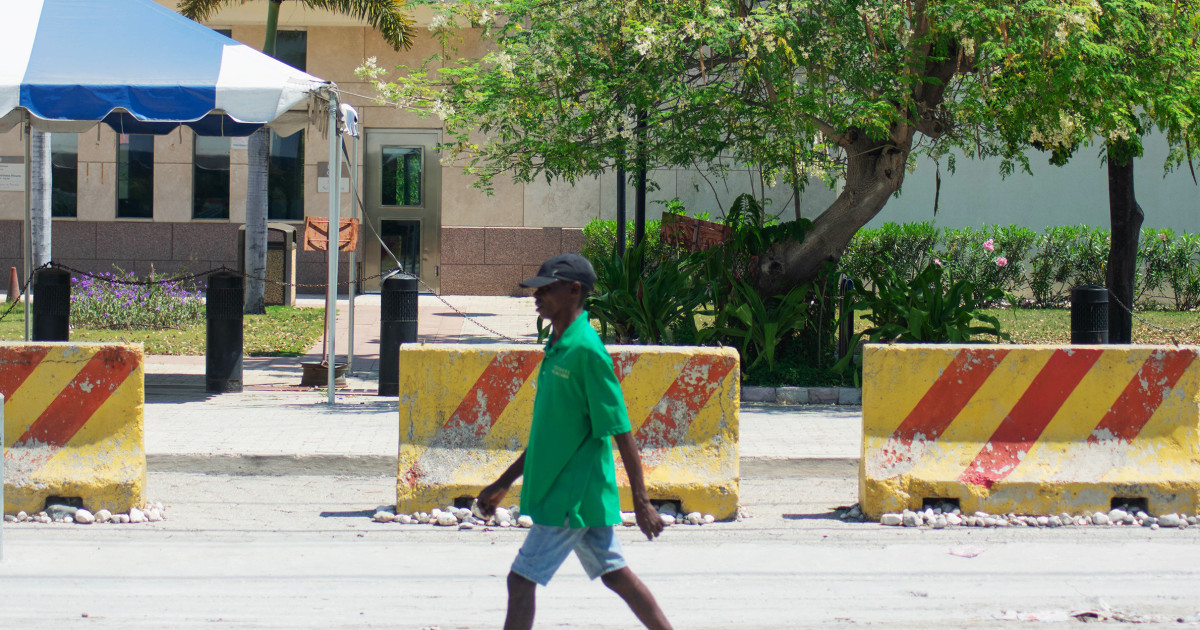
U.S. government personnel are limited only to the confined area around the Embassy and are prohibited from walking in Port-au-Prince. U.S. government personnel in Haiti are prohibited from:
Using any kind of public transportation or taxis
Visiting banks and using ATMs
Driving at night
Traveling anywhere between 1:00 a.m. and 5:00 a.m.
Traveling without prior approval and special security measures in place.
Read the country information page for additional information on travel to Haiti.
The Haitian Ministry of Health and Population (MSPP) has confirmed an outbreak of cholera in the country.
www.nbcnews.com


