And the vast majority of those statistics involve gun owners that know how to use their weapons. Almost none of those who successfully fire them in public will involve somebody who has never been trained and never fired their weapons before.
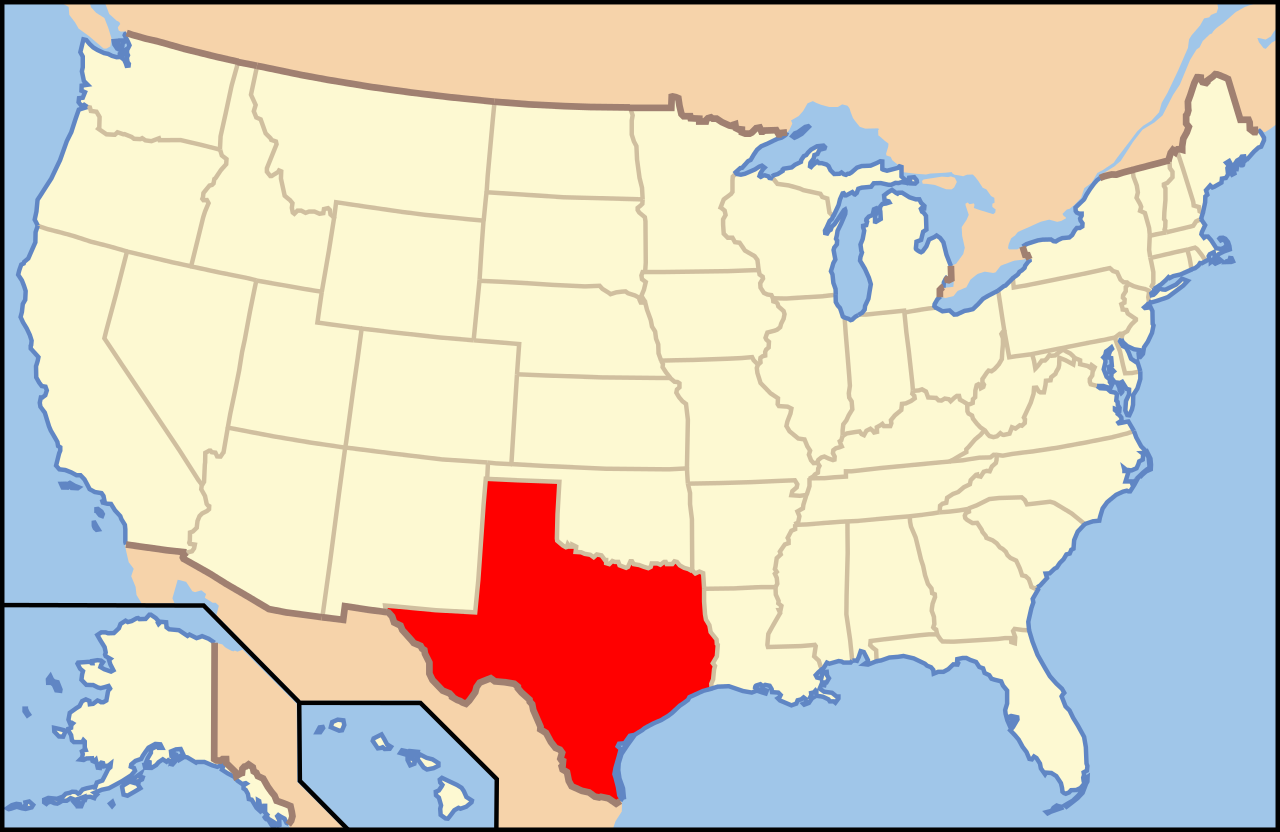
Texas has requirements for concealed carry that work just fine.
An eligible person wishing to obtain an LTC (formerly CHL) must take a State-set instruction course taught by a licensed instructor for a minimum of 4 hours and a maximum of 6 hours, covering topics such as applicable laws, conflict resolution, criminal/civil liability, and handgun safety, and pass a practical qualification at a firing range with a handgun.[7] The caliber requirement was repealed on September 1, 2017.[9] Such courses vary in cost, but are typically around $100–$125 for new applicants (usually not including the cost of ammunition and other shooting supplies; the practical qualification requires firing 50 rounds of ammunition). They may then apply, providing a picture, fingerprints, other documentation, and a $40 application fee[10] (as of September 1, 2017; previously $140 and $70 for renewals), – active and discharged military are eligible for discounts – to the DPS, which processes the application, runs a federal background check, and if all is well, issues the permit. Permits are valid for five years, and allow resident holders to carry in 29 other states (nonresidents may carry in all but four of those),[11] due to reciprocity agreements.[12] Discounted LTC fees vary from $0 for active duty military (through one year after discharge), to $25 for military veterans.[13]
As of September 1, 2019, unlicensed concealed or open carry is allowed during an evacuation following the declaration of a state of disaster, or returning after evacuation, for a period of 7 days, which may be further extended by the governor. Carrying in some otherwise prohibited locations that serve as shelters is also allowed with permission of the owner of the premises.[14]
Also, as of September 1, 2019, the offence of a Licensed to Carry holder entering on the premises of a church, synagogue, or other established place of religious worship was redacted from Texas Penal Code Sections 46.035(b). A church, synagogue, or other established place of religious worship must have 30.06 and 30.07 signs posted to prevent carrying on their premises.[15]Gun laws in Texas - Wikipedia
...

en.wikipedia.org
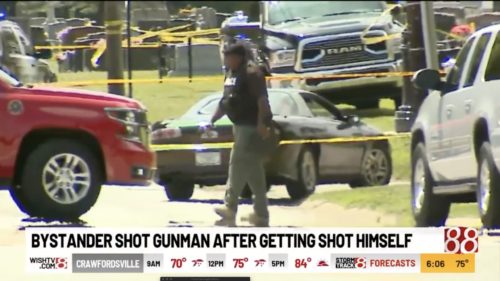
Requiring training and education in no way hinders the rights of those eligible to carry in public, concealed or open. They are just common sense in modern times. States are free to make their own requirements and regulations. Feel free to leave them at home if you don't like the rules. In Texas, which is hardly a restrictive state, when you read about somebody licensed for carrying legally, concealed or open, preventing a crime or whaterver, you're reading about somebody who had to pass a training and safety course first.

crimeresearch.org