The basic premise is the relase of long term sequestered organic carbon back into the atmosphere in the form of carbon dioxide.
Carbon in the form of oil, coal and natural gas is now stored in a form that is kept out of the atmosphere. By burning it we are returning it to the atmosphere.
By using it faster than it is sequestered you increase the overall amount of carbon in the atmosphere, increasing the retention of heat in the atmosphere, and thus AGW.
My issues arent with the general cycle, it is known. My issues are with
1) the true impact of increases in CO2 concentration, i.e. is it a functional increase or is there some sort of "buffer" or "dead-band" effect that mitigates increases.
A good question, because there are. Burning coal in 'dirty' plants produces and aerosol haze that reflects light back into space. Also, because the ocean is one huge heat sink, the total effects are delayed for a generation or two.
2) The ability of models to appricate every sink and addition to a system this large. Also can some sinks be triggered by increased concentration.
The models are getting more effective every year. However, there is a converse to what you state as a sink triggered by increased concentration. That is a sink that becomes less effective at increased concentrations. We know of one right now. The Ocean. As the ocean warms, it is less able to absorb CO2.
Then there are the real jokers. That is the prior sinks that may release their CO2 and CH4 as the temperature increases. We are seeing two of those in the Arctic right now. The release of CO2 and CH4 from the permafrost, particularly CH4 from a type of permafrost call yedoma, and the release of Ch4 from Arctic Ocean clathrates.
3) The effects of AGW vs. normal background variation and changes.\
Actually, you can easily see that in any graph of the temperatures over the last 150 years. For a short term record, the satellite record of the troposphere temperatures found here shows the natural ups and downs, superimposed over an upward rise overall. Looking at the graph, one can readily see the highs have been getting higher, and the lows have also been getting higher.
UAH Temperature Update for April, 2011: +0.12 deg. C « Roy Spencer, Ph. D.
4) That the overall proposals put together to fight AGW basically consist of more government, and more sacrifice by certain groups of people.


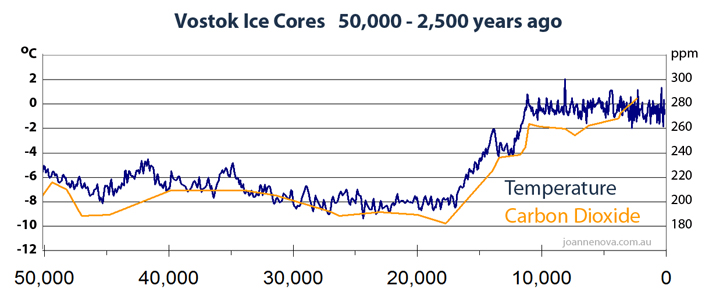
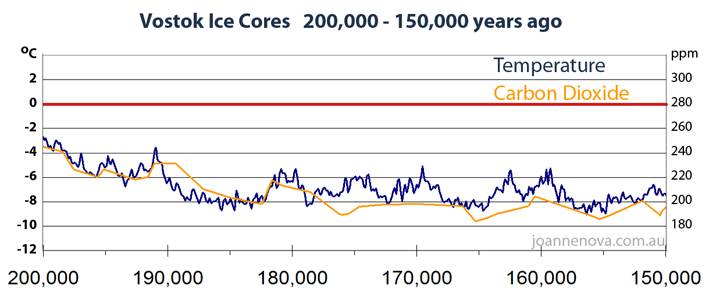
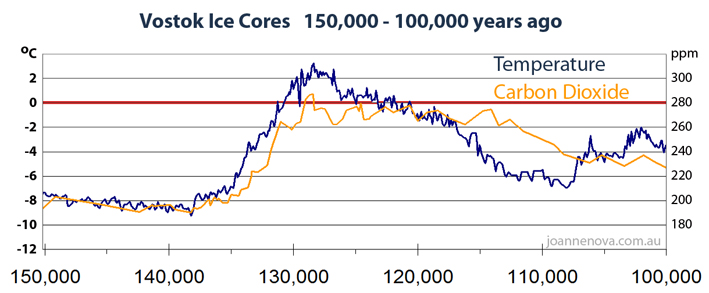

![CENTER]ice-cores-150000%20med.jpg](/proxy.php?image=http%3A%2F%2Fjoannenova.com.au%2Fglobalwarming%2Fgraphs%2Fvostok-%5BCENTER%5D%5BCENTER%5D%5B%2FCENTER%5D%5B%2FCENTER%5Dice-cores-150000%2520med.jpg&hash=d2170b3b4be1a0863f1bd82e9f8f8c67)


