Can we blame climate change for February's record-breaking heat?
Oklahoma just saw temperatures close to triple digits
February is usually marked by snowflakes, sleigh bells, and
warm woolen mittens. But this year’s silver white winter prematurely melted into spring.
Check the weather readout from Oklahoma.
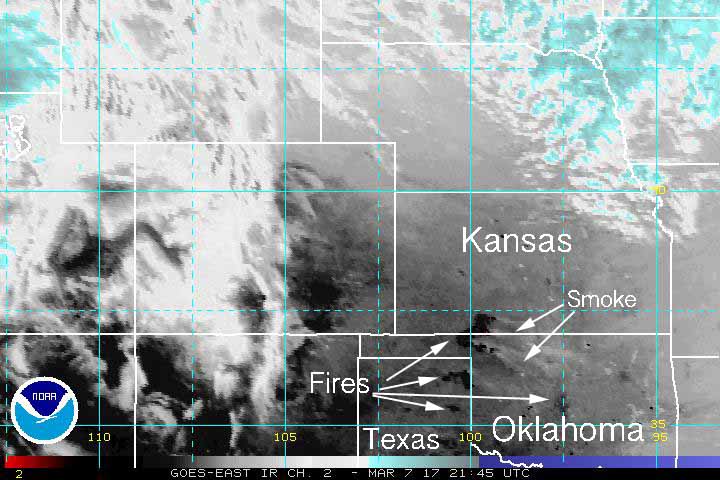
Earlier this month, the Sooner State endured an uncommonly hot spell. Mangum, Oklahoma saw temperatures close to
100º F, setting a state record. The average February high in Mangum is
56º F.
Mesonet
Oklahoma on February 11th, 2017
The heat comes courtesy of the Pacific jet stream, which has delivered a
deluge to California and warmer weather to the rest of the country. Texas, Kansas and Colorado all saw
record-breaking heat. Toasty weather and moist air have fueled tornadoes and thunderstorms in Middle America.
The
jet stream would deliver rain to California and warm air to the rest of the country independent of climate change. But it is extremely unusual to see such sweltering temperatures in the dead of winter. Climate change might be
making the jet stream effect stronger, but it's also loading the dice when it comes to temperature: carbon pollution traps heat, warming the planet. This, in turn, shifts the entire distribution of temperatures. In other words, the jet stream's hot days get even hotter.
Cold days become more rare, while warm days become routine. The hottest days — the ones that break records — are almost invariably linked to human influence. In this new climate system, extreme heat is far more likely than
extreme cold. Over the last year, the
United States has seen more than four times as many record high temperatures as record lows. The heat in Oklahoma is just the latest example.
Can we blame climate change for February's record-breaking heat?
Does seem to be a connection.