or perhaps more importantly into low wage regions, i.e. underdeveloped nations with low median age. And few regulatory hurdles.
Globalization is eating the developed nations alive.
Most of the countries that attracted FDI just for cheap manufacturing and re-export to origin of FDI investor, have become itself important consumer markets.
Producing at home in an advanced economy, selling worldwide only works if you do produce cutting-edge products which justify the labour-costs. An example would be Germany's automotive and machine building industry. "Made in Germany" is a trademark when it comes to engineering.
If you do not produce cutting-edge products, you are destined to fail to sell your products at these costs.
There is also the possibility, that you do not produce cutting-edge products, but still the production involves technology which other countries do not have. In this case, you can also sell your products to the world, which were produced locally. But "2nd and 3rd" world will catch up with technology advancement.
I think the second paragraph is the main reason, why many of the advanced economies have problems. The problem most of the advanced economies also have is, that they are not in geographical proximity to these major emerging consumer markets.
FDI to Turkey is mostly portfolio transactions, especially in banking sector. There were major transactions in banking sector the last years, with foreign banks trying to gain a foot within Turkey (young population, new mortgage law and very low household-debts).
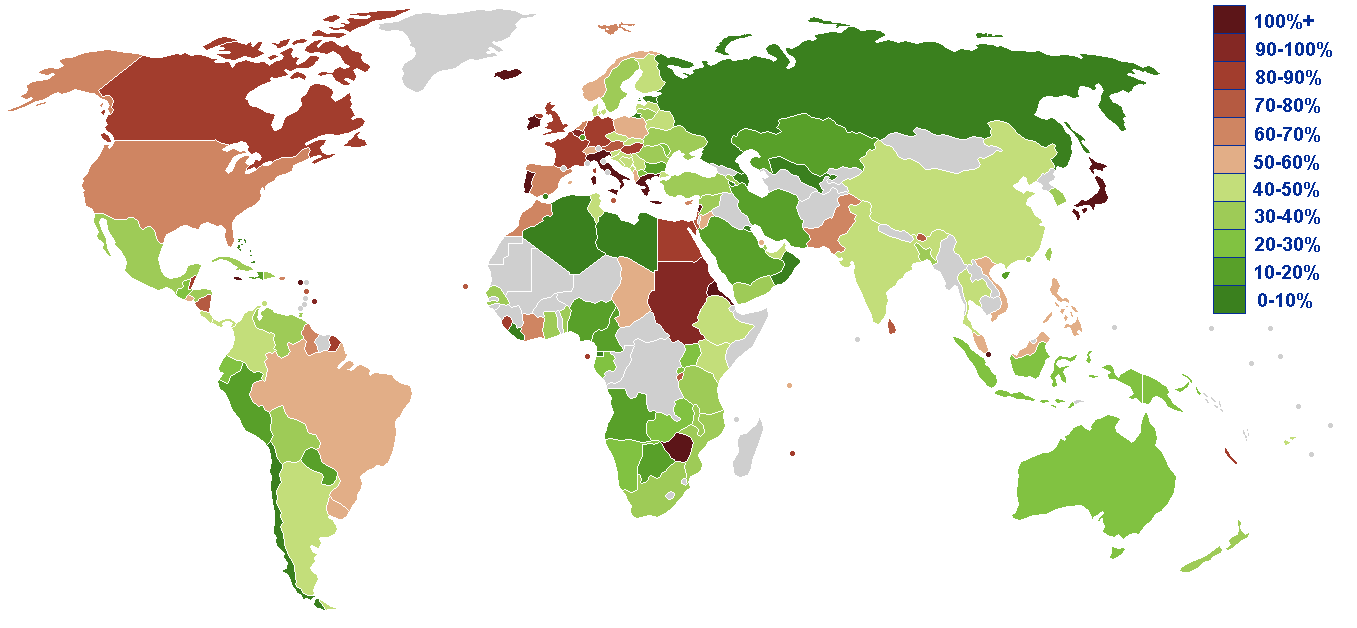
According to Merryl Lynch, household debt in Turkey is only 13% of GDP.
Also, most Turks only take bank credits in national currency. So foreign banks wanting to profit from Turkish households anyway would have to exchange currencies.
(from IMF)